

Why Floating Solar and Green Hydrogen Work Better Together
Energy consumption is increasing across the entire planet. According to the U.S. Energy Information Administration, worldwide energy consumption will rise by almost 50% until 2050, while electricity generation will increase by 79%. The Asia-Pacific region will generate over 50% of the upcoming demand increases. Data centres will drive electricity consumption from 500 TWh in 2023 to 4,500 TWh by 2050. The development is creating severe pressure on land resource availability.
The land problem: Solar farms built on the ground take up a lot of space, needing 3.5 to 16.5 acres for every megawatt of power they produce. A single 100 MW solar farm requires 1000 acres of land because road construction and spacing needs must be included. The conflict between farming, housing, and conservation efforts creates an unsolvable problem.
The idea: When combined with the setting up of the floating solar panels, converting water bodies like reservoirs, lakes, and industrial ponds for the process of green hydrogen produces a number of indirect benefits. This approach solves several challenges while avoiding the use of land.
Money Matters: Balancing Cost and Benefit
- Upfront costs: Floating solar systems cost more to set up, with a 10-25% higher price ($0.95-$1.30 per watt) because of the need for special floating platforms, anchors for water use, and waterproof materials.
- Weighing the benefits: These systems save on land expenses (around $50,000-$200,000 per megawatt), provide a 5-15% efficiency improvement, need less money for maintenance (2-5% of the initial cost), help preserve water ($10,000 to $50,000 per MW ), and are quicker to install (2 acres needed instead of 7 acres per megawatt).
- Outcome: Lifetime LCOE is now almost equal to ground systems, marking a big improvement compared to the 20% difference in 2021.
Considering the Trade-offs
Benefits: The system provides multiple advantages, including land conservation, a yearly energy output increase of 10-20%, a 30-70% reduction of evaporation, prevention of algae blooms, operation through current hydro transmission networks, decreased dust problems, and improved storm resistance.
Downsides: Higher costs due to specialised equipment, needs marine-level engineering, demands studies on aquatic ecosystems, regulatory rules are still evolving, and requires boats to handle maintenance.
Floating Solar: Moving from Idea to Large-Scale Use
Floating solar panels are becoming popular. Their use has expanded from 3 GW in 2020 to 13 GW in 2022. The actual growth of their usage exceeded prior forecast predictions, which estimated that their usage would reach 10 GW by 2025.
Europe is at the forefront of growth. In 2025, France saw the start of Europe’s largest floating solar park, a 74.3 MWp project by Q Energy and Velto Renewables. The Netherlands developed 100 MW of floating solar power throughout Europe and announced intentions to construct 800 MW of solar power facilities in Greece. Germany established its inaugural vertical floating solar energy facility in Bavaria in October 2025. Studies indicate these systems generate CO? emissions that are seven times smaller per kWh compared to normal energy sources.
Green Hydrogen: To Close the Cost Gap
Clean hydrogen production through renewable-powered electrolysis operates as a vital method for industrial transportation and power generation systems to achieve their carbon reduction targets. The current market price of hydrogen, which ranges between $3.8 and $11.9 per kilogram, exceeds the cost of fossil fuel-based hydrogen that sells for $1.5 to $6.4 per kilogram. Experts predict that electrolyser prices will drop by 50 percent before the year 2030.
CEE plans a hydrogen corridor. The Czech Republic's 2024 Strategy includes projects like H2 Triangle, aimed at producing 630 tonnes by 2025, and Green Mine, targeting 360 tonnes by 2027. Poland is working toward achieving 6 GW of electrolyzer capacity through HydrogenEagle, a project linking Poland, Slovakia, and the Czech Republic. The EU's 406 GW worth of solar power capacity serves as the backbone for creating connected systems.
Why Joining Systems Strategically Helps
Merging floating solar power and hydrogen production brings benefits by resolving certain technical challenges.
Main benefits: Installing solar panels above water cuts energy loss during transmission by having electrolysis take place below. Both systems can share grid connections. This setup can reach a solar-to-hydrogen efficiency of about 7-9%.
Using hydropower reservoirs boosts cost-effectiveness. Germany is working on 500 MW projects that include storage and hydrogen creation. Denmark combines offshore floating solar power with wind energy setups.
Europe's Floating Solar and Hydrogen Progress
Plans for the future:
Germany planned 16.2 GW of solar energy in 2025 and aims to add 22 GW.
- The EU has 406 GW of total capacity, going beyond its set goals.
- The Netherlands allocates €44.5 million to install 3 GW of offshore floating solar.
- The European Hydrogen Bank offers €1 billion to support hydrogen developers.
- The EU’s ENNOH oversees hydrogen transmission networks. The Electrolyser Partnership seeks to reach a capacity of 17.5 GW.
Challenges in Execution
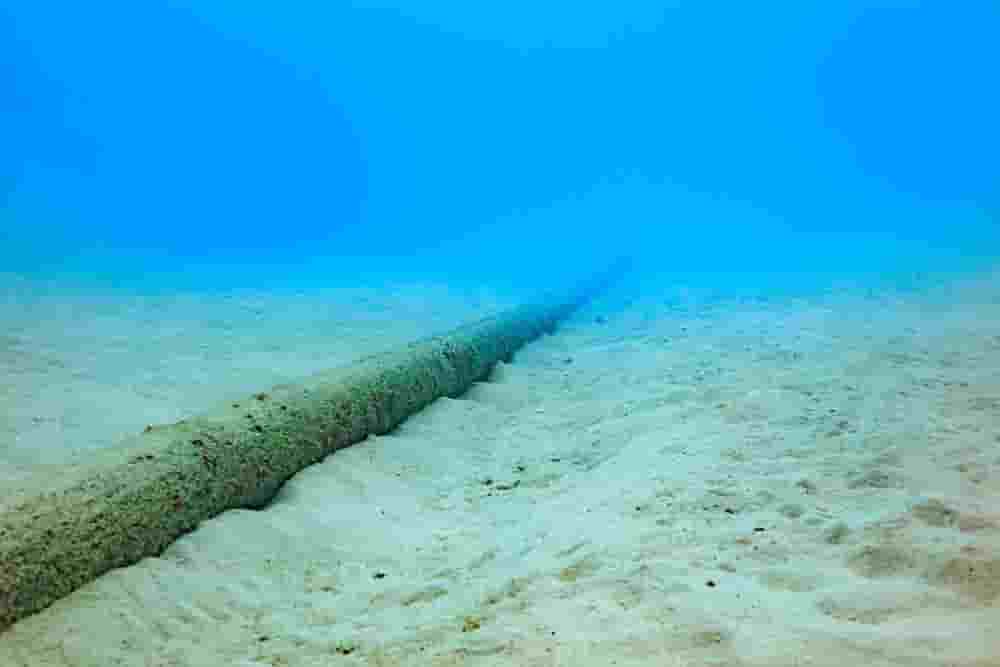
Infrastructure requirements: Systems must handle tough weather, include underwater cables, and integrate marine electrolyzers. Estimated costs range between €1.06 and €26.79 per kilogram.
Progress: Foam-based floating solar panels return energy in 1.3 years and emit 11 kg of CO2 per MWh. The EU plans to launch the Hydrogen Mechanism platform by 2025 to develop projects more efficiently.
The Road Ahead
Combining floating solar and hydrogen systems creates solutions that deliver added benefits. Europe aims for 750 GW of solar power by 2030 alongside bold hydrogen goals. These combined systems provide a smart way to cut carbon emissions. Technology is advancing fast, whether in France’s solar plants or the hydrogen hubs in the Czech Republic.
Join the Discussion
As the world moves faster toward shifting energy sources and the World Hydrogen Summit sparks global discussions, hybrid renewable systems become a main focus at the 10th Edition CEE Hydrogen Summit. This event will take place on February 25-26, 2026, in Prague, Czech Republic.
The Leadvent Group, known for gathering top industry professionals, decision-makers, and innovators, will host over 150 participants and more than 35 speakers at this key Hydrogen Conference. This platform drives knowledge sharing and pushes for wider use of hydrogen in the CEE region.
The summit highlights technologies for hydrogen production, essential infrastructure, innovative policy frameworks, and groundbreaking advancements like the role of floating solar in hydrogen systems. Connect with industry leaders, find practical solutions, and uncover key strategic knowledge.
Frequently Asked Questions (FAQs)
1. Are floating solar panels built to handle tough European weather, including storms or ice?
Modern floating solar structures use sturdy materials like high-density polyethylene and steel composites. These floaters are made to handle extreme weather. For example, installations in Bavaria, Germany, and large-scale 100 MW systems in the Netherlands have shown they can survive harsh winters with designed anchoring systems.
2. What is the environmental impact of floating solar hydrogen systems compared with regular ground-mounted solar panels?
Floating PV systems in Germany and the Netherlands have carbon footprints ranging from 1,100 to 1,300 kgCO2eq/kWp, which is on par with ground-mounted systems. Even so, they generate significantly less carbon per kilowatt-hour (380gCO2eq/kWh) compared to Europe’s usual energy mix. This makes them a strong option to reduce emissions.
3. How does CEE contribute to the floating solar-hydrogen vision in Europe?
Central and Eastern Europe plays a key role as a hub for hydrogen corridors. The HydrogenEagle project in Poland, the Czech Republic, and Slovakia links 6 GW of planned electrolyzer capacity. In the Czech Republic, three large-scale green hydrogen projects are set to start between 2025 and 2027, with plans to integrate floating solar into existing water reservoirs.
4. Why combine floating solar with hydrogen rather than keeping them separate?
Combining them avoids losing energy during transmission, lowers the need for duplicate infrastructure, and saves 20-30% on costs. Water bodies help cool the solar panels and supply water for electrolysis. Using shared grid connections and existing hydropower setups makes hybrid systems 30-40% cheaper than having separate setups.






Comment