

Floating Solar: Powering Sustainability from the Water Surface
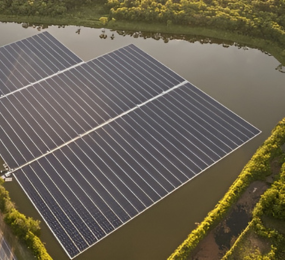
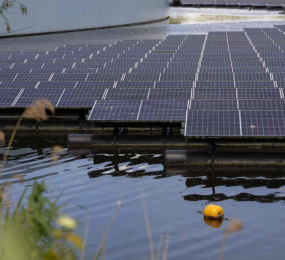
As the world intensifies its search for clean and renewable energy sources, floating solar photovoltaic (PV) systems have emerged as a game-changer. By installing solar panels on water surfaces such as reservoirs, lakes, and canals, floating solar combines efficiency, innovation, and sustainability, offering a unique solution to energy and environmental challenges.
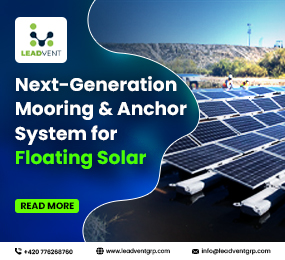
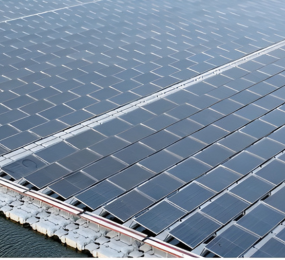
Floating solar panels operate similarly to traditional solar PV systems but are mounted on buoyant platforms. These platforms are designed to withstand wind, waves, and other environmental factors, allowing energy generation without taking up valuable land. This is particularly significant in regions where land scarcity or competing land uses limit traditional solar development.
One of the key advantages of floating solar is space optimization. By utilizing water bodies, communities and industries can generate renewable energy without encroaching on agricultural land or urban areas. This dual-use approach allows water surfaces to serve both energy generation and traditional purposes, such as irrigation or aquaculture, creating synergies that benefit local economies.
Floating solar also offers enhanced performance compared to land-based solar. Water naturally cools the panels, improving efficiency and reducing energy loss due to heat. In addition, the reflective properties of water can slightly increase sunlight exposure, further boosting energy output. This combination of cooling and reflection makes floating solar particularly effective in hot climates.
Environmental benefits extend beyond energy production. Floating PV systems help reduce water evaporation, an important advantage for reservoirs in arid regions. By shading the water, these installations preserve freshwater resources while simultaneously generating clean power. This dual impact underscores the role of floating solar in integrated environmental management strategies.
The technology is also increasingly scalable and modular, allowing rapid deployment across small and large water bodies. Developers can design floating solar arrays to suit specific conditions, from small-scale community projects to utility-scale installations capable of powering thousands of homes. The flexibility of design and deployment makes it a versatile tool in the global transition to renewable energy.
However, floating solar is not without challenges. Installation and maintenance require specialized equipment and expertise, and careful planning is needed to minimize impacts on aquatic ecosystems. Addressing these challenges ensures long-term viability and environmental sustainability.
Takeaway Point
Floating solar represents an innovative approach to renewable energy, optimizing underutilized water surfaces while improving panel efficiency and conserving water resources. Its scalability, environmental benefits, and land-saving potential make it a critical solution for sustainable energy production worldwide.
Learn more on our website: https://www.leadventgrp.com/event/6th-annual-floating-solar-pv-forum/register
For more information and group participation, contact us: [email protected]
Leadvent Group - Industry Leading Events for Business Leaders!
www.leadventgrp.com | [email protected]




Comment