

Floating Wind Power: Unlocking Offshore Renewable Energy Potential
As the global shift toward clean energy accelerates, offshore wind power is gaining momentum. Traditionally, offshore turbines have been fixed to the seabed, limiting projects to shallow waters. But as the search for greater capacity expands, a groundbreaking solution has emerged floating wind technology. This innovation opens access to deeper waters, offering enormous potential to transform global renewable energy landscapes.
What Is Floating Wind?
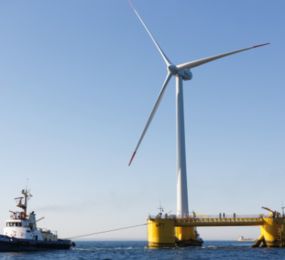
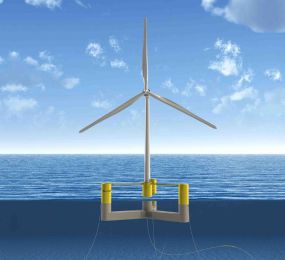
Floating wind refers to turbines mounted on floating structures anchored to the seabed. Unlike traditional fixed-bottom turbines, they are not restricted to shallow coastal areas. This allows developers to tap into deeper waters with stronger, more consistent wind speeds. By expanding the geographical scope of offshore projects, floating wind has the capacity to generate more electricity and reduce dependency on fossil fuels.
Why It Matters
The advantages of floating wind are clear. First, it expands access to areas that were previously off-limits due to water depth, such as parts of Japan, the United States’ West Coast, and the Mediterranean. Second, it maximizes efficiency by harnessing stronger winds farther offshore. Third, it supports countries with limited shallow-water coastlines but abundant deep-water potential.
With governments setting ambitious net-zero targets, floating wind is emerging as a key technology to accelerate renewable integration. It is not just about energy generation it also strengthens energy security and reduces carbon emissions on a global scale.
Innovation Driving Growth
The progress in floating wind is being driven by engineering advances. Platforms such as spar-buoys, semi-submersibles, and tension-leg structures allow turbines to withstand harsh ocean conditions. Demonstration projects in Europe and Asia have already proven that floating wind farms can operate reliably.
Investment is also on the rise. Global energy companies and governments are funding pilot projects and scaling up capacity. According to industry projections, floating wind could grow from small-scale trials to gigawatt-scale developments within the next decade.
Challenges to Overcome
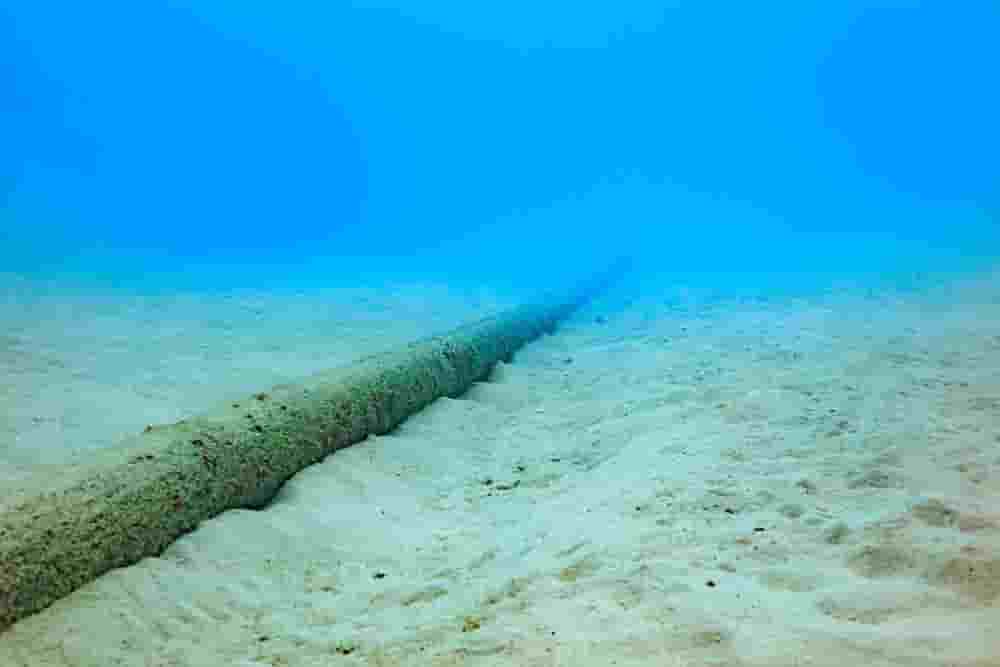
Despite its promise, floating wind is not without hurdles. The technology requires significant upfront investment, complex supply chains, and robust grid connections. Operations in deep waters also bring technical and logistical challenges. However, as innovation progresses and costs decline much like what happened with traditional offshore wind the technology is expected to become commercially competitive.
A Step Toward the Future
Floating wind is more than a technical achievement; it represents a step toward reshaping the energy mix. It offers countries a chance to diversify energy sources, create new jobs in the maritime and engineering sectors, and push forward on climate goals.
By turning previously unreachable offshore areas into hubs of renewable generation, floating wind has the potential to be a defining force in the global clean energy transition.
Takeaway Point: Floating wind is unlocking new frontiers in offshore energy, turning deep-water potential into a driver of global sustainability. With innovation and investment, it can become a cornerstone of the world’s clean energy future.
Learn more on our website: https://www.leadventgrp.com/event/6th-annual-floating-wind-europe/register
For more information and group participation, contact us: [email protected]
Leadvent Group - Industry Leading Events for Business Leaders!
www.leadventgrp.com | [email protected]








Comment