

Floating Wind: Powering the Future from Deep Waters
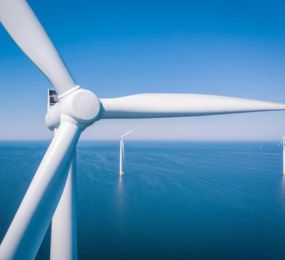
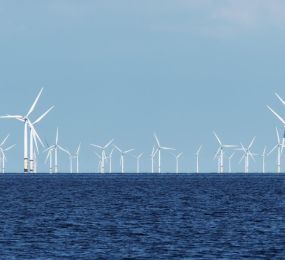
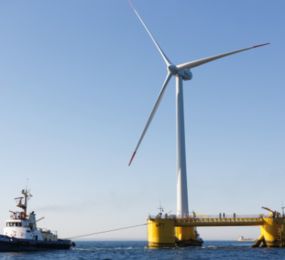
As countries push toward cleaner and more resilient energy systems, floating wind technology is emerging as one of the most promising developments in the renewable energy space. While traditional offshore wind farms rely on fixed foundations anchored to the seabed, floating wind turbines sit on stable platforms that allow them to operate in deeper waters where winds are stronger, steadier, and more predictable.
This shift in capability is more than a technical milestone. It represents an important opportunity for regions that lack shallow coastlines but have ambitious climate targets. From Asia-Pacific to Europe and the Americas, floating wind is opening the door to large-scale clean power in locations that were previously inaccessible.
Why Floating Wind Matters
The global energy landscape is moving quickly toward low-carbon solutions. Yet many countries face geographic or environmental constraints that limit their ability to deploy conventional offshore wind. Floating wind addresses these challenges by reaching areas farther from shore, where natural wind patterns offer excellent power-generation conditions.
These deep-water sites not only produce more consistent energy but also reduce potential conflicts with coastal activities, such as fishing and tourism. The result is a cleaner, quieter approach to offshore energy development—one that supports both environmental goals and community interests.
How Floating Wind Works
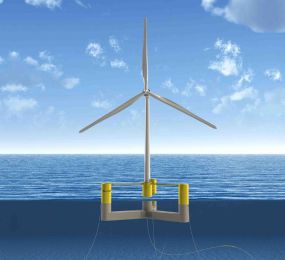
Floating wind turbines rely on buoyant platforms that keep them steady in open seas. These platforms are anchored to the seabed with mooring lines, ensuring stability even in harsh ocean conditions. Three main platform styles are commonly used:
1. Spar platforms: Long, weighted structures that stabilize turbines vertically.
2. Semi-submersible platforms: Multi-column structures designed for balance and ease of installation.
3. Tension-leg platforms: Buoyant platforms anchored tightly to the seabed to limit movement.
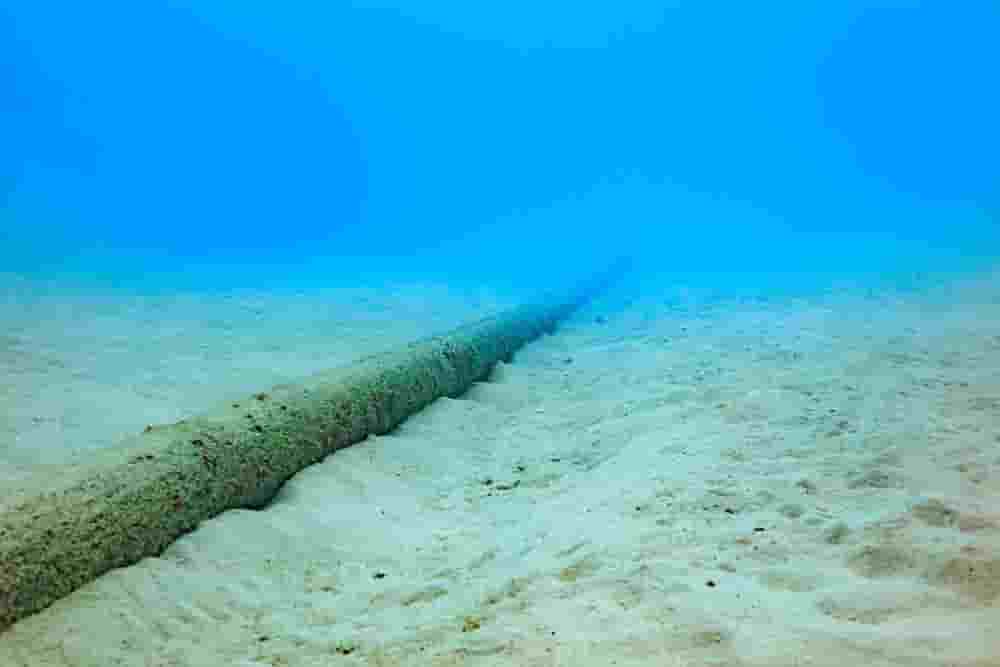
Electricity generated offshore is transmitted to land through dynamic cables, which carry power from the floating platform to subsea infrastructure and eventually to the grid.
The Global Momentum
Over the past decade, several pilot projects have demonstrated that floating wind can deliver steady, reliable power. Nations such as Norway, Japan, the UK, and South Korea are now investing heavily in commercial-scale developments. As more countries adopt long-term climate commitments, interest in floating wind continues to grow.
Costs, which are currently higher than traditional offshore wind, are expected to decrease as supply chains mature and more projects are deployed. The success of fixed-bottom offshore wind shows how quickly prices can fall once technologies move from demonstration to large-scale investment.
Challenges and Opportunities
Like all emerging solutions, floating wind faces obstacles. These include higher upfront costs, complex engineering requirements, and the need for ports and vessels designed to handle large offshore structures. However, the opportunities outweigh the challenges.
Floating wind expands the geographic potential of offshore energy dramatically. It supports energy security, reduces dependence on fossil fuels, and allows nations to harness clean power without crowding coastlines. For many regions, it represents the most practical path toward meeting future electricity demand sustainably.
Takeaway Point
Floating wind is more than a new type of offshore turbine—it is a gateway to cleaner energy in regions once considered unreachable. As technology advances and deployment grows, it stands to become a central pillar of the global renewable energy transition.
Learn more on our website: https://www.leadventgrp.com/event/6th-annual-floating-wind-europe/register
For more information and group participation, contact us: [email protected]
Leadvent Group - Industry Leading Events for Business Leaders!
www.leadventgrp.com | [email protected]






Comment