

Floating Wind: Redefining Offshore Renewable Energy
As the global demand for clean energy continues to grow, offshore wind has become a key contributor to renewable power generation. However, traditional offshore wind farms are limited to shallow waters where turbines can be fixed directly to the seabed. Floating wind technology is changing this dynamic, enabling energy developers to access deeper waters and unlock vast new wind resources.
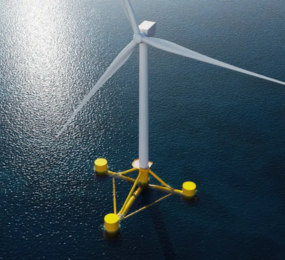
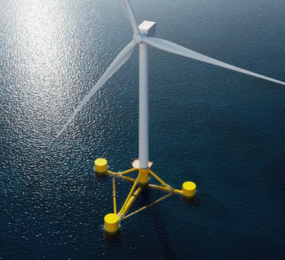
Floating wind turbines are mounted on buoyant platforms that remain stable on the ocean’s surface while being anchored to the seabed with mooring systems. This design allows turbines to operate efficiently in areas where fixed-bottom structures are not feasible. As a result, regions with deep coastal waters can now participate in offshore wind development, expanding the global potential for renewable energy.
One of the main advantages of floating wind is access to stronger and more consistent wind speeds. Winds further offshore tend to be more stable and powerful, which can lead to higher energy output compared to nearshore installations. This improved performance makes floating wind an attractive option for countries seeking to maximize their renewable energy capacity.
Floating wind also offers flexibility in site selection. By moving turbines farther from the coastline, developers can reduce visual impact and minimize potential conflicts with coastal land use. This can be particularly important in areas where tourism and environmental considerations play a significant role in project planning.
Technological innovation has been central to the progress of floating wind. Engineers have developed several platform designs, including spar-buoy, semi-submersible, and tension-leg systems. Each design is tailored to maintain stability under challenging ocean conditions such as waves, currents, and high winds. Advances in materials, anchoring systems, and installation techniques are helping improve the reliability and efficiency of these structures.
Despite its potential, floating wind is still an emerging sector within the renewable energy industry. The cost of development remains higher than that of traditional offshore wind, largely due to the complexity of engineering and installation. However, as more projects are deployed and experience grows, costs are expected to decrease through economies of scale and improved supply chains.
Floating wind also creates new opportunities for collaboration across industries. The development and maintenance of offshore wind farms require expertise from maritime sectors, including shipbuilding, offshore engineering, and marine logistics. This collaboration supports job creation and economic development in coastal regions.
Environmental considerations remain an important part of floating wind development. Careful planning and monitoring are required to ensure that projects do not negatively impact marine ecosystems. Developers work closely with environmental experts to assess potential risks and implement mitigation measures where necessary.
Governments around the world are increasingly recognizing the importance of floating wind in their long-term energy strategies. Investments in research, pilot projects, and supportive policies are helping accelerate its adoption. Countries with deep coastal waters, in particular, are exploring floating wind as a way to diversify their energy mix and reduce reliance on fossil fuels.
As the renewable energy sector continues to evolve, floating wind stands out as a promising solution for expanding offshore power generation. By overcoming geographical limitations and harnessing the strength of deep-water winds, it is helping shape a more sustainable and resilient energy future.
Takeaway Point: Floating wind technology unlocks the potential of deep-water wind resources, enabling broader offshore renewable energy development and supporting the global transition to cleaner power systems. Learn more on our website: https://www.leadventgrp.com/event/6th-annual-floating-wind-europe/register For more information and group participation, contact us: [email protected] .
Leadvent Group - Industry Leading Events for Business Leaders!
www.leadventgrp.com | [email protected]




Comment