

Floating Wind: Unlocking New Frontiers in Renewable Energy
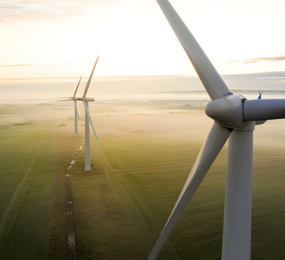
As the demand for clean and reliable energy continues to grow, offshore wind has taken a leading role in the global transition toward sustainability. However, traditional offshore wind farms are limited to shallow waters where turbines can be fixed directly to the seabed. Floating wind technology is changing this landscape, making it possible to harness wind energy in deeper waters where resources are often stronger and more consistent.
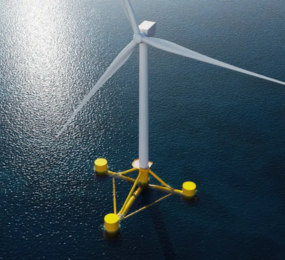
Floating wind turbines are installed on buoyant platforms that float on the surface of the sea. These platforms are anchored to the seabed using mooring systems, allowing the turbines to remain stable even in challenging ocean conditions. This design enables energy developers to access areas that were previously unsuitable for conventional offshore wind projects.
One of the key advantages of floating wind is the quality of wind resources available in deeper waters. Winds farther from shore tend to be more stable and less affected by land-based obstacles, resulting in higher energy output. This increased efficiency makes floating wind a valuable addition to the renewable energy mix.
Another benefit is flexibility in site selection. By placing turbines farther offshore, developers can reduce visual impact and avoid potential conflicts with coastal land use. This is particularly important in densely populated coastal regions, where space is limited and environmental considerations are critical.
Technological innovation has been central to the development of floating wind systems. Engineers have introduced various platform designs, including spar-buoy, semi-submersible, and tension-leg structures. Each design is tailored to withstand specific marine conditions, such as strong waves, currents, and high winds. Advances in materials and engineering techniques continue to improve the durability and performance of these systems.
Despite its promise, floating wind is still an emerging technology. The cost of installation and maintenance remains relatively high compared to traditional offshore wind. Specialized equipment, vessels, and expertise are required to deploy and service turbines in deep-water environments. However, as more projects are developed and experience grows, costs are expected to decrease over time.
Floating wind also contributes to economic growth, particularly in coastal and maritime regions. It creates opportunities for job creation in areas such as engineering, construction, and marine operations. Additionally, investments in infrastructure and supply chains help support long-term development.
Environmental considerations play an important role in floating wind projects. Developers must assess potential impacts on marine ecosystems, including fish habitats and bird migration patterns. Careful planning and monitoring help ensure that projects are implemented responsibly and sustainably.
Governments and energy organizations are increasingly recognizing the potential of floating wind. Supportive policies, research initiatives, and pilot projects are helping accelerate its adoption. Countries with deep coastal waters are especially well-positioned to benefit from this technology.
Looking ahead, floating wind is set to become a key component of the global energy transition. By extending renewable energy generation into deeper waters, it opens up vast new opportunities for clean power production.
Floating wind represents a significant step forward in how energy can be generated and distributed. It demonstrates that innovation can overcome natural limitations, enabling a more sustainable and resilient energy future.
Takeaway Point: Floating wind expands renewable energy into deep-water regions, unlocking stronger wind resources and supporting the global shift toward cleaner and more sustainable power systems. Learn more on our website: https://www.leadventgrp.com/event/6th-annual-floating-wind-europe/register For more information and group participation, contact us: [email protected] .
Leadvent Group - Industry Leading Events for Business Leaders!
www.leadventgrp.com | [email protected]






Comment