

Floating Wind: Unlocking Offshore Energy Potential
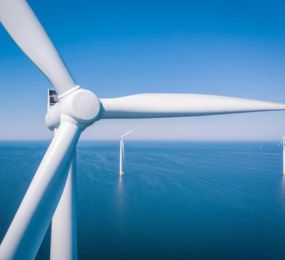
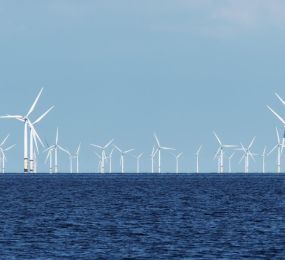
As the world accelerates its shift toward renewable energy, offshore wind has emerged as one of the most promising sources of clean power. Yet, traditional fixed-bottom turbines are limited by shallow waters, leaving vast areas of the ocean untapped. This is where floating wind technology steps in offering the ability to generate electricity in deeper waters, far beyond the reach of conventional designs.
Why Floating Wind Matters
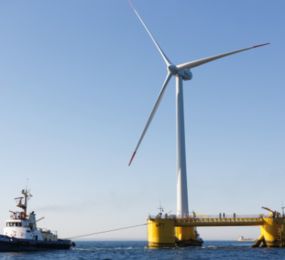
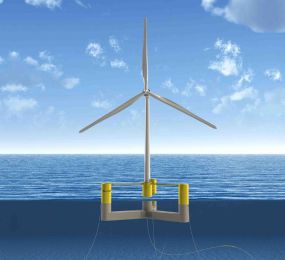
Floating wind opens up access to regions with stronger, more consistent winds, significantly increasing energy potential. Unlike fixed turbines anchored to the seabed, floating platforms are tethered to the ocean floor with mooring lines, enabling deployment in waters over 60 meters deep. For countries with limited shallow continental shelves, such as Japan, Norway, or Portugal floating wind is not just an innovation; it is a necessity.
Technology Behind the Concept
The engineering behind floating wind combines elements of offshore oil and gas expertise with renewable energy technology. Platforms can take different forms, spar buoys, semi-submersibles, or tension-leg platforms, each designed to remain stable in harsh marine environments. Advances in materials, anchoring systems, and digital monitoring tools are making these structures increasingly reliable and cost-effective.
Economic Opportunities and Challenges
Floating wind represents more than an energy solution; it is an economic opportunity. Developing this sector can create jobs in manufacturing, maritime services, and port operations while stimulating local economies. However, the path to widespread adoption is not without challenges. High upfront costs, complex supply chains, and the need for specialized infrastructure make floating wind projects more expensive than their bottom-fixed counterparts. The industry is now focused on scaling up to bring costs down, much as fixed offshore wind achieved over the past decade.
Environmental and Social Impact
Floating wind farms have the advantage of being located further from shore, reducing their visual impact and allowing for greater public acceptance. Their positioning in deeper waters also minimizes competition with other coastal activities, such as fishing or tourism. That said, careful planning and environmental assessments are necessary to protect marine ecosystems and ensure coexistence with existing ocean industries.
The Road Ahead
Pilot projects in Europe and Asia have already proven the viability of floating wind technology. As governments set ambitious climate targets, floating wind is expected to play a critical role in meeting renewable energy goals. With continued innovation, supportive policies, and investment, floating wind could become a cornerstone of the global energy mix within the next two decades.
Takeaway Point: Floating wind is more than a technological breakthrough it is a gateway to unlocking vast offshore resources that can power the clean energy transition. By expanding renewable capacity into deeper waters, it offers both environmental and economic benefits, paving the way for a more sustainable energy future.
Learn more on our website: https://www.leadventgrp.com/event/6th-annual-floating-wind-europe/register
For more information and group participation, contact us: [email protected]
Leadvent Group - Industry Leading Events for Business Leaders!
www.leadventgrp.com | [email protected]








Comment