

Floating Wind: Unlocking Offshore Energy Potential for a Sustainable Future
As the world continues its transition to cleaner energy, floating wind technology has emerged as one of the most promising solutions for expanding renewable energy generation. Unlike conventional fixed-bottom wind turbines, which are limited to shallow coastal waters, floating wind turbines can operate in deeper seas where wind resources are stronger and more consistent. This innovation is opening new frontiers for offshore energy production and redefining how we harness nature’s power.
The Evolution of Floating Wind
The concept of floating wind began as an ambitious idea—a vision to capture offshore winds beyond the continental shelf. Today, it is fast becoming a commercial reality. Countries such as Norway, Japan, the United Kingdom, and France are leading the charge, investing heavily in floating wind projects and proving the technology’s feasibility. These early developments have demonstrated that floating wind can complement traditional offshore wind by expanding access to untapped regions and maximizing energy potential.
How Floating Wind Works
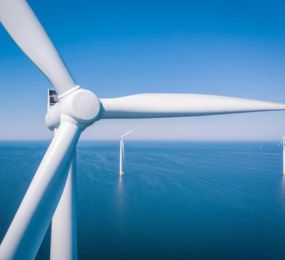
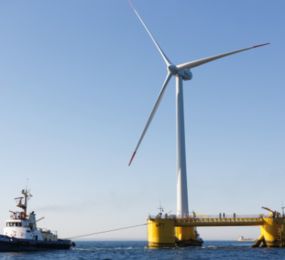
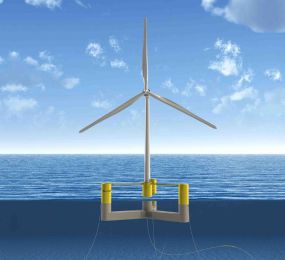
Floating wind farms use turbines mounted on buoyant platforms anchored to the seabed with mooring lines. This flexible structure allows them to remain stable even in deep waters where conventional turbines cannot be installed. The deeper the water, the stronger and steadier the wind—translating into greater energy yields and more efficient power generation.
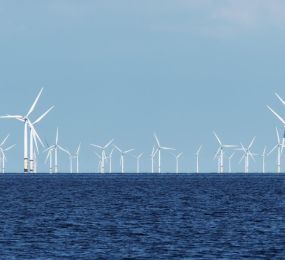
Moreover, floating wind farms can be deployed farther from shore, reducing visual impact and easing public acceptance challenges often faced by nearshore projects. The technology also offers environmental benefits, as installation requires less seabed disturbance compared to fixed-bottom structures.
Global Potential and Economic Impact
The global potential of floating wind energy is vast. According to industry projections, it could contribute hundreds of gigawatts of renewable power by 2050—helping nations achieve their net-zero targets. This growth will not only support energy diversification but also create new economic opportunities. From manufacturing and assembly to installation and maintenance, floating wind projects can stimulate job creation across coastal communities and maritime sectors.
Collaboration among governments, energy developers, and technology innovators is crucial to scaling up deployment. Reducing costs through research, industrial partnerships, and supply chain development will play a key role in making floating wind commercially competitive.
Challenges and the Path Forward
While the potential is immense, floating wind still faces hurdles such as high initial costs, grid connection complexities, and the need for supportive policy frameworks. Continued innovation and investment will be essential to overcome these barriers and bring the technology to maturity.
However, with the momentum building globally, floating wind is poised to become a cornerstone of the clean energy future—offering flexibility, sustainability, and scalability that few other technologies can match.
Takeaway Point: Floating wind represents the next great leap in offshore renewable energy. By tapping into deeper, stronger wind resources, it provides a path toward large-scale clean power generation, economic growth, and a sustainable future for generations to come.
Learn more on our website: https://www.leadventgrp.com/event/6th-annual-floating-wind-europe/register
For more information and group participation, contact us: [email protected]
Leadvent Group - Industry Leading Events for Business Leaders!
www.leadventgrp.com | [email protected]






Comment