

Floating Wind: Unlocking Offshore Energy Where Fixed Turbines Cannot Reach
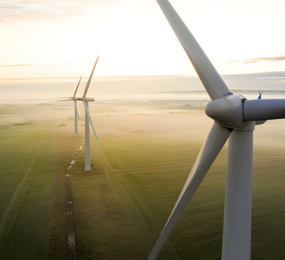
As countries look beyond land-based renewables to meet rising energy demand, offshore wind has taken on new importance. Yet much of the world’s strongest wind resources lie in deep waters, far beyond the reach of traditional fixed-bottom turbines. This is where floating wind is changing the conversation quietly but decisively.
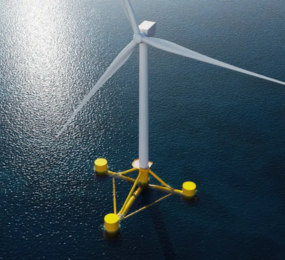
Floating wind turbines are mounted on platforms that are anchored to the seabed rather than fixed directly into it. This allows them to operate in deeper waters, where winds are stronger, more consistent, and less affected by coastal constraints. For many regions, especially those with steep continental shelves, floating wind offers the first realistic opportunity to tap into offshore wind at scale.
The technology itself is not entirely new. Floating platforms have long been used in the offshore oil and gas sector, and many of those engineering principles are now being adapted for renewable energy. What is new is the focus on cost reduction, standardization, and long-term reliability. Early pilot projects have proven that floating wind can perform as expected, even in challenging marine conditions.
One of the major advantages of floating wind is flexibility. Turbines can be assembled closer to shore and towed to their final location, reducing the need for specialized installation vessels. This approach can lower construction risks and open up opportunities for ports and shipyards to participate in the supply chain, creating local economic benefits alongside clean energy generation.
From an environmental perspective, floating wind can also reduce some of the impacts associated with seabed disturbance. While careful marine planning is still essential, the lighter seabed footprint and ability to site projects further offshore can help balance energy development with ecosystem protection and other ocean uses.
Cost remains a key challenge. Floating wind projects are currently more expensive than fixed-bottom offshore wind, largely due to smaller project sizes and limited manufacturing scale. However, the cost curve is moving in a familiar direction. As projects grow larger, designs become standardized, and supply chains mature, prices are expected to fall much as they did for conventional offshore wind over the past decade.
Governments and developers are taking notice. Several countries are now including floating wind in their long-term energy strategies, recognizing its potential to deliver large volumes of clean power without competing for land or shallow coastal space. For energy systems seeking resilience and diversity, floating wind offers a valuable complement to solar, onshore wind, and other renewables.
Beyond electricity generation, floating wind could also play a role in broader decarbonization efforts. Offshore power hubs linked to green hydrogen production are already being explored, using abundant wind resources to produce fuels for hard-to-abate sectors such as shipping and heavy industry.
Floating wind is not a distant concept, it is an emerging solution moving steadily from demonstration to deployment. While challenges remain, the direction is clear. By opening access to deep-water wind resources, floating wind expands what is possible for offshore renewable energy and strengthens the path toward a more sustainable power system.
Takeaway Point
Floating wind extends offshore renewable energy into deep waters, offering access to stronger wind resources and positioning itself as a critical pillar in the future of large-scale, low-carbon power generation.
Learn more on our website: https://www.leadventgrp.com/event/6th-annual-floating-wind-europe/register
For more information and group participation, contact us: [email protected]
Leadvent Group - Industry Leading Events for Business Leaders!
www.leadventgrp.com | [email protected]







Comment