

Floating Wind: Unlocking the Next Generation of Offshore Renewable Energy
As countries accelerate their transition to clean energy, offshore wind has become one of the fastest-growing sources of renewable electricity. While conventional offshore wind farms have achieved remarkable success in shallow coastal waters, many of the world's strongest and most consistent wind resources lie much farther offshore in deeper waters. This is where floating wind is changing the future of renewable energy.
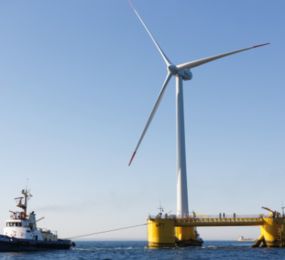
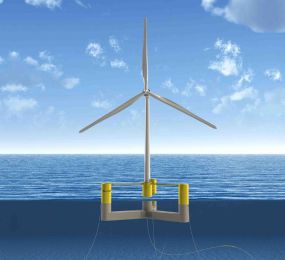
Unlike traditional offshore wind turbines that are fixed directly to the seabed, floating wind turbines are installed on buoyant platforms anchored to the ocean floor using mooring systems. This innovative approach allows wind farms to operate in water depths that were previously unsuitable for conventional offshore wind projects, significantly expanding the areas available for renewable energy generation.
What Is Floating Wind?
Floating wind technology uses specially engineered floating platforms to support large offshore wind turbines. These platforms are designed to remain stable even in challenging marine conditions and are secured by mooring lines connected to anchors on the seabed.
Several platform designs are currently in use, including spar-buoy, semi-submersible, and tension-leg platforms. Each design is selected based on water depth, seabed conditions, environmental factors, and project requirements.
By removing the need for fixed foundations, floating wind enables developers to harness powerful offshore wind resources located in waters exceeding 60 metres in depth.
Why Floating Wind Matters
Many coastal regions around the world have limited shallow-water areas suitable for fixed-bottom offshore wind farms. Countries including Norway, Portugal, Spain, France, Japan, South Korea, and the United States possess significant deep-water wind resources that can only be accessed through floating wind technology.
These offshore locations often experience stronger and more consistent wind speeds, allowing turbines to generate higher levels of electricity and improve overall project performance.
Floating wind also enables countries to diversify their renewable energy mix while reducing dependence on fossil fuels and strengthening long-term energy security.
Benefits of Floating Wind
Floating wind offers several important advantages that make it an increasingly attractive renewable energy solution.
Access to deep-water locations greatly expands offshore development opportunities, allowing countries to utilise previously inaccessible wind resources.
Projects can often achieve higher energy output because stronger offshore winds produce more consistent electricity generation throughout the year.
Floating turbines are typically assembled and integrated at port facilities before being towed to their installation sites. This approach can reduce offshore construction activities, improve installation efficiency, and simplify maintenance operations.
Locating projects farther from shore may also reduce visual impacts for coastal communities while supporting larger-scale renewable energy development.
Challenges Facing the Industry
Although floating wind has enormous potential, several challenges remain.
Project costs are currently higher than those of conventional offshore wind because floating technology is still in the early stages of commercial deployment. However, increasing investment, technological innovation, and larger manufacturing volumes are expected to reduce costs significantly over the coming years.
Infrastructure development is another priority. Ports must be upgraded to accommodate large floating platforms, while specialised vessels, mooring systems, and installation equipment require continued investment.
Supply chain expansion, workforce training, and streamlined permitting processes will also play important roles in accelerating industry growth.
The Future of Floating Wind
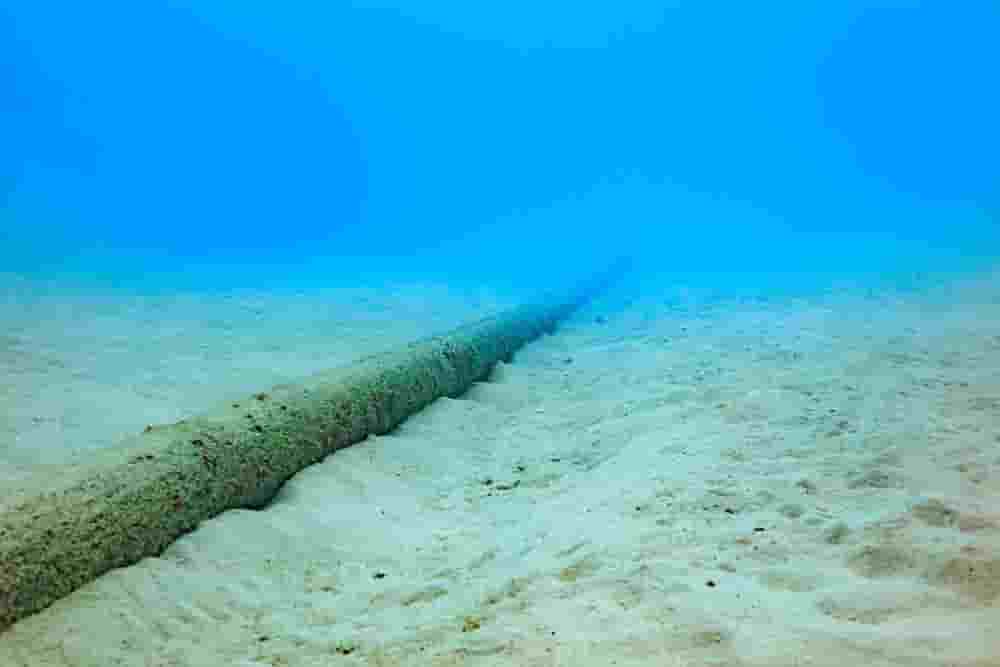
Governments worldwide are recognising floating wind as a key contributor to achieving climate and energy targets. National renewable energy strategies increasingly include floating wind deployment alongside investments in transmission infrastructure, port development, and industrial supply chains.
Private sector investment continues to grow as energy companies, technology developers, manufacturers, and financial institutions collaborate to commercialise floating wind at scale.
As costs continue to decline and technology matures, floating wind is expected to become one of the fastest-growing segments of the global renewable energy market.
Conclusion
Floating wind is opening a new chapter in offshore renewable energy by making deep-water wind resources commercially accessible. Its ability to generate clean electricity in areas beyond the reach of conventional offshore wind positions it as a critical technology for achieving global net-zero ambitions.
With continued innovation, investment, and international collaboration, floating wind will play an increasingly important role in delivering reliable, low-carbon energy while supporting economic growth, job creation, and long-term energy security.
Takeaway Point
Floating wind is transforming offshore renewable energy by enabling wind turbines to operate in deep waters with stronger and more consistent wind resources. As technology advances and investment increases, floating wind is set to become a major contributor to global clean energy generation and the transition to a net-zero future.
For more information and group participation, contact us: [email protected]
Leadvent Group - Industry Leading Events for Business Leaders!








Comment