

The Green Hydrogen Challenge: Beyond Solar and Wind
Solar panels and wind turbines now lead energy installations worldwide, reshaping the global energy scene. Green hydrogen made by splitting water using renewable power tells a different story.
Even though renewables now cost as much as fossil fuels in many areas, making hydrogen is still pricey and tough to scale. This happens not only because of how advanced the technology is but also due to underlying physical and infrastructure needs.
Tackling the Complexity
Solar and wind harness electricity directly from nature, with very little energy lost. But carbon-free hydrogen is more complex. It needs multiple conversion steps in a process called water electrolysis, where electricity breaks water into hydrogen and oxygen.
Today's electrolyzers run at about 80% efficiency, meaning they lose one-fifth of the energy they start with as heat. This creates a tough problem to solve. First, renewable energy needs to be made, and then it gets used in electrolysis, causing energy losses in both steps. In contrast, generating electricity skips this double loss altogether.
Building the needed infrastructure is an even bigger challenge. Solar panels and wind turbines connect to our current power grids using simple transformers. Green hydrogen, however, would need a whole new system built from the ground up.
The U.S. has 1,600 miles of hydrogen pipelines, while there are millions of miles of power lines for electricity. Because hydrogen molecules behave differently, it needs separate infrastructure.
- Facilities designed to store gas at high pressure, ranging between 5,000 and 10,000 psi
- Pipelines built to resist the weakening effects of hydrogen embrittlement
- Other transport options, including converting it into ammonia for easier shipment
Economic Challenges
The costs show that the situation presents major difficulties. Electrolytic hydrogen production costs range from $3.50 to $12 per kilogram, whereas gray hydrogen made from fossil fuels costs between $1.50 and $6 per kilogram.
Predictions in the industry indicate prices could drop to $2 to $2.50 per kilogram by 2030. The achievement of this objective requires an increase in electrolyzer production, which must reach a minimum capacity of hundreds of gigawatts to succeed.
High capital costs make these problems worse. Electrolyzers exceed $2,000 expenses for each kilowatt of capacity, while solar installations cost approximately $1,000 per kilowatt of capacity. The systems achieve maximum return on investment when they operate continuously without interruption.
Renewable energy, however, generates power when the sun shines or the wind blows, which makes it unreliable. Running electrolyzers at just 20-65% of their capacity might help reduce some overall costs. Still, this clashes with the usual way industrial economics works, where profits come from running equipment at full capacity as much as possible.
Issues with Materials and Storage
The production of emission-free hydrogen depends heavily on platinum group metals, which serve as electrolysis catalysts but currently exist only in limited worldwide supply. As more systems get built around the world, these material shortages could turn into significant challenges.
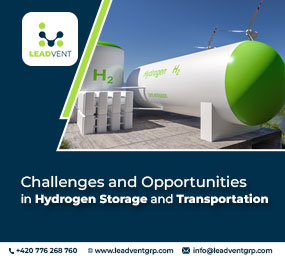
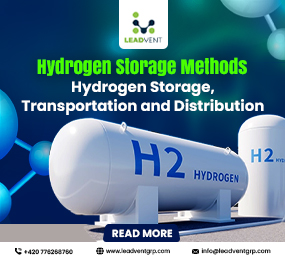
Hydrogen storage and transportation present greater challenges than solar and wind energy because they experience different types of difficulties. Hydrogen possesses the lowest energy density among all fuels when assessed under standard atmospheric conditions. Using hydrogen needs energy-draining prep work:
- Compressing it to between 5,000 and 10,000 psi takes up 10-15% of its energy
- Cooling it to a freezing -253°C for liquid storage needs special high-tech cryogenic gear
Hydrogen's small molecules and its strong reactivity make it tricky. It can seep into the crystalline structure of normal metal pipelines, weakening them and causing cracks. Because of this, industries need to spend a lot on special materials instead of just tweaking natural gas infrastructure.
Why It Affects the Shift to Clean Energy
Green hydrogen has an essential role in achieving decarbonization targets despite existing challenges. Solar and wind energy systems effectively generate electricity, but approximately 20% of global energy consumption occurs in regions where electricity usage proves ineffective.
Steelmaking requires temperatures exceeding 1500°C, which electric furnaces fail to deliver at an economical cost. The transportation of goods over extended distances requires vehicles that use high-energy fuel sources. Chemical factories use hydrogen as their primary production material instead of using it to generate electricity.
The outlook looks positive. Research on hydrogen technology has achieved major scientific progress. The cost of electrolyzers has dropped by half since 2020. The leading nations throughout the globe are spending billions of dollars to build hydrogen infrastructure systems.
Achieving success depends on using hydrogen where its special traits make a real difference. It is important not to pit it against cheaper and more efficient electricity in areas like powering cars or heating homes.
Be Part of the World Hydrogen Summit Conversation
The Leadvent Group is hosting the 10th Edition CEE Hydrogen Summit on February 25-26, 2026, in Prague, Czech Republic. This event gathers key thinkers driving this big shift.
The World Hydrogen Summit brings together leading experts, decision-makers, scientists, and innovators to solve the problems that make green hydrogen deployment difficult and essential for achieving complete decarbonization.
The recent 9th edition attracted more than 140 participants. It provided unique chances to network, join interactive panels, and gain valuable insights into cutting-edge hydrogen technologies shaping the energy sector in Central and Eastern Europe.
Frequently Asked Questions (FAQs)
1. Why is clean hydrogen pricier than gray hydrogen?
The production of clean hydrogen or green hydrogen requires both expensive electrolyzers and renewable energy resources, which results in increased production costs. In contrast, gray hydrogen uses available natural gas through well-established systems. Carbon-free hydrogen costs $3.50 to $12 for each kilogram, compared to gray hydrogen's $1.50 to $6, though the difference is shrinking over time.
2. Are current natural gas pipelines capable of moving hydrogen?
Existing pipelines can handle small hydrogen blends of about 10-20% mixed with natural gas. This requires a few adjustments. Moving pure hydrogen, though, needs new pipelines built with materials resistant to hydrogen. The unique molecular structure of hydrogen can make regular steel brittle, weakening it over time.
3. Why don’t e-hydrogen electrolyzers run nonstop on renewable energy?
Solar panels and wind turbines generate electricity through their operation, which depends on weather conditions since they lack continuous power output. The operation of electrolyzers requires a permanent power supply, which can be achieved through grid electricity or extensive battery systems. Both options increase expenses.
4. How does emission-free hydrogen storage compare to batteries?
Emission-free hydrogen works best for storing energy over long seasons, keeping it for weeks or even months. But storing hydrogen needs either pressurized tanks, cryogenic containers, or converting it into chemical carriers. These methods lead to energy losses of about 10-30%. Batteries handle shorter daily energy storage more, while hydrogen fits better for storing energy over longer periods.








Comment