

How E-Fuels Are Produced from Renewable Electricity: The Science Behind Sustainable Fuels
As industries around the world search for practical ways to reduce carbon emissions, e-fuels have emerged as one of the most promising solutions for sectors where direct electrification is difficult. Aviation, shipping, heavy transport, and certain industrial processes require high-energy fuels that batteries alone may not be able to provide efficiently. E-fuels, also known as synthetic fuels, offer a pathway to decarbonization by using renewable electricity to create liquid and gaseous fuels that can often be used within existing infrastructure.
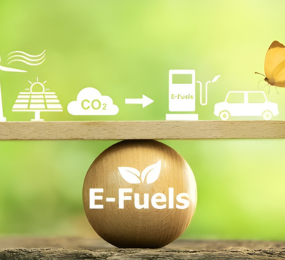
At their core, e-fuels are produced through a process that converts renewable energy into fuel. Unlike conventional fossil fuels, which release carbon that has been stored underground for millions of years, e-fuels are manufactured using renewable electricity, water, and carbon dioxide. This makes them a potentially low-carbon alternative capable of supporting global climate goals.
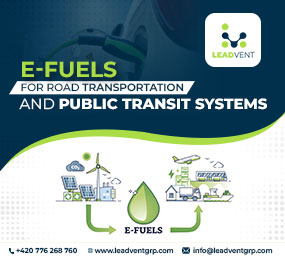
The production process begins with renewable electricity generated from sources such as wind, solar, hydroelectric, or geothermal power. These clean energy sources provide the electricity needed to drive the entire e-fuel production chain. The availability of affordable renewable energy is one of the most important factors influencing the future growth of the e-fuels industry.
The next step involves producing green hydrogen through a process known as electrolysis. During electrolysis, electricity is used to split water into hydrogen and oxygen. When powered by renewable energy, the resulting hydrogen is referred to as green hydrogen because it is produced without significant carbon emissions.
Green hydrogen serves as the foundation for many e-fuels. However, hydrogen itself can be difficult to store and transport over long distances. To create more practical fuels, hydrogen is combined with other elements through chemical synthesis processes.
One of the most common approaches involves capturing carbon dioxide from industrial facilities or directly from the atmosphere. This captured carbon is then combined with green hydrogen to produce synthetic hydrocarbons. Depending on the production pathway, manufacturers can create e-methanol, e-diesel, e-gasoline, or e-kerosene, which is widely viewed as a potential sustainable aviation fuel.
For example, in the production of e-methanol, green hydrogen reacts with captured carbon dioxide under controlled conditions to form methanol. This liquid fuel can be transported using existing fuel infrastructure and used in shipping, industrial applications, and chemical manufacturing.
Similarly, e-kerosene is produced through additional refining and synthesis processes that convert hydrogen and carbon dioxide into a fuel with properties similar to conventional jet fuel. This makes it particularly attractive for the aviation sector, where compatibility with existing aircraft and fueling systems is essential.
Another important e-fuel is e-ammonia. Unlike e-methanol and e-kerosene, e-ammonia does not require carbon dioxide. Instead, green hydrogen is combined with nitrogen extracted from the atmosphere through the Haber-Bosch process. The resulting fuel is gaining attention as a potential low-carbon solution for shipping and power generation.
The environmental benefits of e-fuels depend largely on how they are produced. When renewable electricity powers the process and carbon dioxide is sourced sustainably, lifecycle emissions can be significantly lower than those of conventional fossil fuels. This makes e-fuels an attractive option for industries seeking to reduce their carbon footprint while maintaining operational flexibility.
Despite their potential, challenges remain. Producing e-fuels requires large amounts of renewable electricity, and current production costs are often higher than those of traditional fuels. Expanding renewable energy capacity, improving electrolyze efficiency, and scaling production facilities will be essential for making e-fuels more economically competitive.
Governments and industry leaders are increasingly investing in e-fuel projects, recognizing their potential role in achieving net-zero objectives. As technology advances and production scales up, costs are expected to decline, making e-fuels a more viable solution for global energy systems.
The future of decarbonization will likely depend on a combination of renewable electricity, hydrogen, and sustainable fuels. By transforming clean electricity into energy-dense fuels, e-fuels offer a practical bridge between today's infrastructure and tomorrow's low-carbon economy.
Takeaway Point:
E-fuels are produced by using renewable electricity to create green hydrogen, which is then combined with captured carbon dioxide or nitrogen to produce sustainable fuels that can help decarbonize aviation, shipping, and heavy industry.
Learn more on our website: https://www.leadventgrp.com/event/3rd-annual-world-e-fuels-summit/register
For more information and group participation, contact us: [email protected]
Leadvent Group - Industry Leading Events for Business Leaders!
www.leadventgrp.com | [email protected]












Comment