

Here’s a professionally written and humanized article on Ammonia Fuel for Shipping:
Meta Title:
Ammonia Fuel for Shipping: A Pathway to Decarbonising Maritime Transport
Meta Description:
Explore how ammonia fuel is emerging as a low-carbon solution for the shipping industry, supporting global decarbonisation goals and sustainable maritime operations.
Ammonia Fuel for Shipping: A Pathway to Decarbonising Maritime Transport
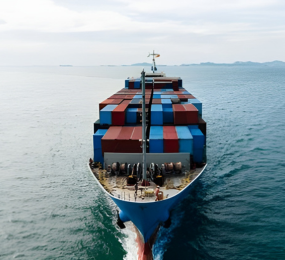
The shipping industry is undergoing one of the most significant transformations in its history. As global trade continues to expand, pressure is mounting on the maritime sector to reduce greenhouse gas emissions and align with international climate targets. Among the various alternative fuels being explored, ammonia has emerged as a leading contender in the race to decarbonise shipping.
For decades, the maritime industry has relied on heavy fuel oil and marine diesel to power vessels across the world's oceans. While effective and widely available, these fuels contribute significantly to carbon emissions and air pollution. As the industry works toward achieving net-zero goals, shipowners, fuel producers, and policymakers are increasingly turning their attention to cleaner fuel alternatives that can support long-distance maritime transport.
Ammonia offers several advantages as a marine fuel. One of its most notable characteristics is that it contains no carbon. Unlike conventional fossil fuels, ammonia does not produce carbon dioxide when burned. This makes it an attractive option for reducing emissions from international shipping, particularly on routes where electrification is not practical.
The environmental benefits of ammonia become even greater when it is produced using renewable energy. Known as green ammonia, this fuel is created by combining green hydrogen—produced through water electrolysis powered by renewable electricity—with nitrogen extracted from the atmosphere. The result is a fuel that can significantly reduce lifecycle emissions and support broader decarbonisation efforts.
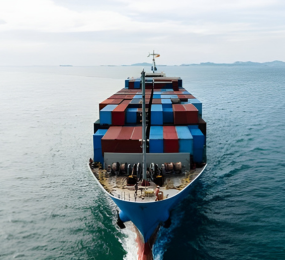
The maritime industry sees ammonia as a promising solution because of its relatively high energy density compared to some other low-carbon fuels. This makes it suitable for long-haul voyages where ships require large amounts of energy to operate efficiently. As a result, ammonia is increasingly being considered for deep-sea shipping, cargo transport, and other large-scale maritime applications.
Engine manufacturers and shipbuilders are actively developing ammonia-capable propulsion systems. Several pilot projects and demonstration vessels are already underway, helping the industry gain valuable experience with fuel handling, engine performance, and operational safety. These initiatives are expected to accelerate the commercial adoption of ammonia-powered vessels over the coming years.
Infrastructure development will play a critical role in the success of ammonia as a marine fuel. Ports around the world are beginning to assess their readiness to store, transport, and bunker ammonia safely. Investments in fuel terminals, storage facilities, and supply chains will be essential to supporting widespread adoption across global shipping routes.
Safety remains an important consideration. Ammonia is a well-established industrial chemical with decades of handling experience across sectors such as agriculture and manufacturing. However, it is toxic and requires strict safety protocols for storage, transportation, and onboard use. Industry stakeholders are working closely with regulators and classification societies to establish standards that ensure safe operations throughout the fuel lifecycle.
Cost is another factor influencing adoption. Green ammonia production currently remains more expensive than conventional marine fuels. However, advances in renewable energy technology, larger-scale production facilities, and growing demand are expected to help reduce costs over time. Government incentives and decarbonisation policies may also support the transition by encouraging investment in low-carbon fuel infrastructure.
The International Maritime Organization's decarbonisation ambitions are further driving interest in ammonia. As emissions regulations become more stringent, shipping companies are seeking fuel solutions that can help them comply with future environmental requirements while maintaining operational efficiency.
Although ammonia is unlikely to be the only fuel used in the future maritime sector, it is expected to become a key component of the industry's broader energy transition. Alongside fuels such as methanol, hydrogen, and sustainable biofuels, ammonia can help create a diversified pathway toward cleaner shipping.
As the maritime industry navigates the journey toward sustainability, ammonia fuel offers a compelling opportunity to reduce emissions while supporting the continued movement of global trade. With ongoing technological progress, infrastructure investment, and regulatory support, ammonia could play a central role in shaping the future of low-carbon shipping.
Takeaway Point:
Ammonia fuel is emerging as a promising low-carbon solution for shipping, offering the potential to significantly reduce emissions while supporting the maritime industry's transition toward a cleaner and more sustainable future.
For more information and group participation, contact us: [email protected]
Leadvent Group - Industry Leading Events for Business Leaders!
www.leadventgrp.com | [email protected]








Comment