

Sustainable Marine Fuels: Navigating the Path to Cleaner Shipping
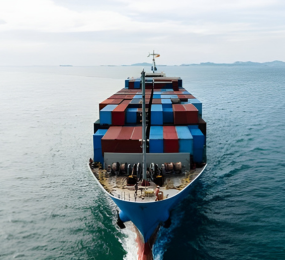
The global shipping industry is a vital part of international trade, moving goods across continents and supporting economic growth. However, it also faces increasing pressure to reduce its environmental impact. As concerns about emissions and climate change intensify, the focus has shifted toward sustainable marine fuels solutions that can help the sector operate more responsibly while maintaining efficiency.
Traditionally, ships have relied on heavy fuel oil (HFO) and marine diesel. While these fuels have supported reliable long-distance travel, they are also associated with high levels of carbon emissions, sulfur oxides, and particulate matter. This environmental footprint has prompted stricter international regulations and a growing demand for cleaner alternatives.
One of the first steps in improving sustainability has been the adoption of low-sulfur fuels. Very low sulfur fuel oil (VLSFO) has become widely used following global emission standards aimed at reducing air pollution. While this shift has improved air quality, it represents only a transitional solution in the broader journey toward decarbonization.
Liquefied natural gas (LNG) has also gained traction as a cleaner alternative. Compared to traditional marine fuels, LNG produces lower emissions of sulfur and particulate matter, and it can reduce carbon dioxide emissions to some extent. However, LNG is not a zero-carbon solution, and its long-term role is still being evaluated as the industry moves toward deeper emission reductions.
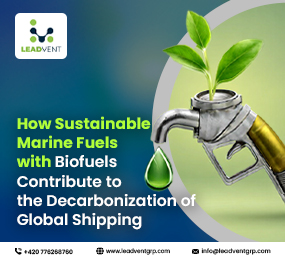
Looking ahead, the focus is increasingly on next-generation fuels that offer greater sustainability. Biofuels, derived from renewable sources such as waste oils and agricultural byproducts, are being tested as drop-in solutions that can be used with existing engines. These fuels have the potential to significantly reduce lifecycle emissions without requiring major changes to infrastructure.
In addition, fuels such as green methanol, ammonia, and hydrogen are emerging as promising options for the future of shipping. These alternatives can be produced using renewable energy, creating pathways for near-zero or zero-carbon maritime operations. However, widespread adoption will depend on advancements in production, storage, and fueling infrastructure.
Technology is playing a key role in supporting the transition to sustainable marine fuels. Modern vessels are being designed with improved energy efficiency, incorporating advanced propulsion systems and digital monitoring tools. These innovations help reduce fuel consumption and emissions, regardless of the type of fuel used.
Infrastructure development remains a critical challenge. Ports and fueling networks must evolve to accommodate new types of marine fuels, requiring significant investment and coordination. Collaboration between governments, shipping companies, and energy providers is essential to build the systems needed for a sustainable future.
Economic considerations also play a role. Sustainable fuels are currently more expensive than traditional options, and scaling production will require continued investment. However, as technologies mature and demand increases, costs are expected to become more competitive over time.
Sustainable marine fuels are central to the transformation of the shipping industry. They represent a shift toward cleaner operations, improved efficiency, and long-term environmental responsibility. As innovation continues and global efforts intensify, the maritime sector is steadily moving toward a more sustainable future.
Takeaway Point: Sustainable marine fuels are key to reducing emissions in global shipping, enabling cleaner operations and supporting the maritime industry’s transition toward a low-carbon future. Learn more on our website: https://www.leadventgrp.com/event/world-sustainable-marine-fuels-forum/register For more information and group participation, contact us: [email protected]
Leadvent Group - Industry Leading Events for Business Leaders!
www.leadventgrp.com | [email protected]









Comment