

Sustainable Marine Fuels: Navigating the Path to Cleaner Shipping
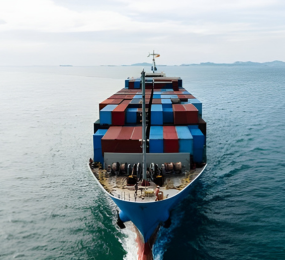
Global shipping is the backbone of international trade, transporting goods, raw materials, and energy resources across continents. While maritime transport remains one of the most efficient ways to move large volumes of cargo, it is also a significant contributor to global greenhouse gas emissions. As environmental concerns grow and international regulations become stricter, the shipping industry is increasingly turning its attention to sustainable marine fuels.
Traditional marine fuels such as heavy fuel oil have long powered the global fleet due to their high energy density and relatively low cost. However, these fuels are associated with high emissions of carbon dioxide, sulfur oxides, and particulate matter. As a result, the industry is exploring cleaner alternatives that can help reduce its environmental footprint while maintaining the reliability of maritime operations.
Sustainable marine fuels are designed to lower emissions and support the transition toward cleaner shipping. One of the most widely discussed options is biofuel derived from renewable biological sources such as vegetable oils, agricultural residues, or waste materials. These fuels can often be used in existing ship engines with minimal modification, making them an attractive option for reducing emissions in the short term.
Liquefied natural gas (LNG) has also been adopted by some shipping operators as a transitional fuel. LNG burns more cleanly than traditional fuel oils, producing lower sulfur and nitrogen emissions. While LNG still contains carbon, it offers an immediate reduction in certain pollutants and has been used as a step toward cleaner maritime operations.
Looking further ahead, alternative fuels such as green hydrogen, ammonia, and methanol are gaining increasing attention within the maritime sector. These fuels can be produced using renewable electricity and have the potential to significantly reduce or even eliminate carbon emissions during operation. For example, green hydrogen can be produced through electrolysis powered by renewable energy, creating a fuel source that supports long-term decarbonization goals.
However, transitioning to sustainable marine fuels requires more than just new fuel options. Infrastructure development will be essential to support production, storage, and distribution. Ports around the world are beginning to explore how they can accommodate new fueling systems and supply chains that enable ships to refuel with cleaner alternatives.
Ship design is also evolving in response to these changes. New vessels are being built with engines capable of operating on multiple fuel types, allowing operators to adapt as fuel markets evolve. At the same time, energy efficiency technologies such as improved hull designs, wind-assisted propulsion, and digital voyage optimization systems are helping ships reduce overall fuel consumption.
International cooperation is playing a vital role in accelerating the transition toward sustainable marine fuels. Governments, shipping companies, energy producers, and research institutions are working together to develop standards, support innovation, and create pathways for large-scale adoption of cleaner fuels.
While the maritime industry faces significant challenges in reducing its emissions, the growing focus on sustainable marine fuels represents an important step forward. With continued investment, technological development, and global collaboration, cleaner fuels have the potential to reshape the future of shipping.
Takeaway Point: Sustainable marine fuels are essential to reducing emissions in the global shipping industry, offering cleaner alternatives that support environmental goals while ensuring the continued efficiency of maritime trade. Learn more on our website: https://www.leadventgrp.com/event/world-sustainable-marine-fuels-forum/register For more information and group participation, contact us: [email protected]
Leadvent Group - Industry Leading Events for Business Leaders!
www.leadventgrp.com | [email protected]












Comment