

Marine Fuels: Navigating the Shift Toward Sustainable Shipping
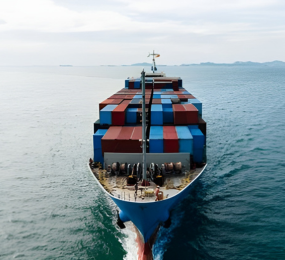
The maritime industry is a cornerstone of global trade, responsible for transporting the majority of goods across international waters. From raw materials to finished products, shipping enables economies to function efficiently and at scale. At the heart of this system lies marine fuel the essential energy source that powers vessels across oceans. Today, as environmental concerns intensify, the conversation around marine fuels is rapidly evolving.
Traditionally, ships have relied on heavy fuel oil (HFO) and marine diesel to operate. These fuels are valued for their high energy density and cost efficiency, allowing vessels to travel long distances without frequent refueling. However, they are also associated with significant emissions, including carbon dioxide, sulfur oxides, and particulate matter. These environmental impacts have led to increased scrutiny and stricter international regulations.
In response, the maritime sector has begun transitioning toward cleaner fuel options. One of the immediate changes has been the adoption of low-sulfur fuels, introduced to comply with global emission standards. Very low sulfur fuel oil (VLSFO) has become widely used, helping reduce harmful emissions while allowing ships to continue operating with existing engine systems.
Liquefied natural gas (LNG) has also gained attention as a transitional fuel. Compared to traditional marine fuels, LNG produces lower levels of sulfur oxides and particulate emissions. While it is not a zero-carbon solution, it offers a step toward cleaner operations and has been adopted by several shipping companies as part of their emission reduction strategies.
Looking beyond transitional fuels, the industry is actively exploring more sustainable alternatives. Biofuels, produced from renewable sources such as waste oils and agricultural byproducts, are being tested as drop-in solutions that can reduce lifecycle emissions. Additionally, fuels such as green methanol, ammonia, and hydrogen are emerging as potential long-term solutions for decarbonizing maritime transport.
These next-generation fuels are closely linked to the broader clean energy transition. For example, green hydrogen and ammonia can be produced using renewable electricity, creating a pathway for low-carbon shipping. However, their widespread adoption will require significant advancements in production, storage, and distribution infrastructure.
Technological innovation is also shaping the future of marine fuels. Ship designs are becoming more energy-efficient, incorporating advanced propulsion systems,
improved hull designs, and digital monitoring tools. These innovations help reduce fuel consumption and emissions, regardless of the fuel type being used.
Infrastructure development remains one of the key challenges in the transition. Ports will need to adapt to support new fueling systems, including storage facilities and refueling capabilities for alternative fuels. Collaboration between governments, energy providers, and shipping companies will be essential to build this infrastructure at scale.
Despite these challenges, momentum is building. The maritime industry is increasingly recognizing that sustainability is not only an environmental responsibility but also a strategic priority. Cleaner fuels and efficient operations can improve long-term resilience and align with global climate goals.
Marine fuels are at the center of this transformation, shaping how the shipping industry evolves in a changing world. As innovation continues and cleaner alternatives become more accessible, the sector is moving steadily toward a more sustainable future.
Takeaway Point: The evolution of marine fuels is key to reducing emissions in global shipping, with cleaner alternatives and improved technologies driving a more sustainable and efficient maritime industry.
Learn more on our website: https://www.leadventgrp.com/event/world-sustainable-marine-fuels-forum/register
For more information and group participation, contact us: [email protected]
Leadvent Group - Industry Leading Events for Business Leaders!
www.leadventgrp.com | [email protected]













Comment