

Marine Fuels: Steering the Future of Global Shipping
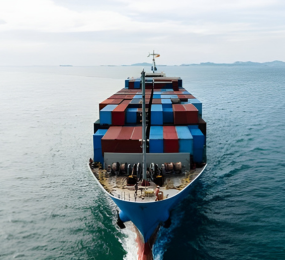
The global shipping industry is the backbone of international trade, transporting goods across continents and supporting economic growth worldwide. At the center of this vast network is marine fuel the energy source that powers vessels across oceans. As environmental concerns rise and regulations tighten, the role of marine fuels is shifting from a purely operational necessity to a critical factor in sustainable shipping.
For decades, ships have relied on conventional fuels such as heavy fuel oil (HFO) and marine diesel. These fuels have been widely used due to their high energy content and cost efficiency. However, they are also associated with significant environmental impacts, including emissions of carbon dioxide, sulfur oxides, and particulate matter. As awareness of these impacts has grown, so too has the urgency to find cleaner alternatives.
Regulatory changes have played a key role in accelerating this transition. International standards aimed at reducing sulfur emissions have already led to the adoption of lower-sulfur fuels across the shipping industry. These measures represent an important step toward cleaner operations, but they are only part of a broader shift toward long-term decarbonization.
One of the immediate alternatives gaining traction is very low sulfur fuel oil (VLSFO), which enables ships to comply with emission regulations while continuing to use existing engine systems. Liquefied natural gas (LNG) has also emerged as a transitional fuel, offering lower emissions of certain pollutants compared to traditional fuel oils.
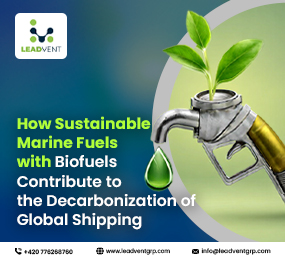
Looking ahead, the industry is exploring a new generation of sustainable marine fuels. Biofuels derived from renewable sources are being tested as drop-in solutions that can reduce lifecycle emissions without requiring significant changes to vessel infrastructure. In parallel, fuels such as green methanol, ammonia, and hydrogen are being developed as potential long-term options for zero or near-zero emission shipping.
These emerging fuels are closely tied to advancements in renewable energy. For example, green hydrogen and ammonia can be produced using electricity generated from wind or solar power. This creates an opportunity to connect the maritime sector with broader clean energy systems, supporting a more integrated approach to decarbonization.
Technological innovation is also shaping the future of marine fuels. Modern ships are being designed with improved energy efficiency, including optimized hull structures,
advanced propulsion systems, and digital monitoring tools. These technologies help reduce fuel consumption and emissions, regardless of the type of fuel used.
Infrastructure development remains a key challenge. The widespread adoption of new marine fuels will require significant investment in production facilities, storage systems, and refueling networks at ports. Collaboration between shipping companies, energy providers, and governments will be essential to build this supporting infrastructure.
Despite the complexity of the transition, progress is steadily being made. The maritime industry is increasingly recognizing that sustainability is not only an environmental priority but also a strategic one. Cleaner fuels and efficient operations can improve long-term resilience and align shipping practices with global climate goals.
Marine fuels are no longer just about keeping ships moving, they are central to shaping the future of global trade in a more sustainable and responsible way. As innovation continues and cleaner alternatives become more accessible, the industry is charting a course toward a lower-carbon future.
Takeaway Point: The evolution of marine fuels is essential for reducing emissions in global shipping, with cleaner alternatives and improved technologies driving the transition toward more sustainable maritime operations Learn more on our website: https://www.leadventgrp.com/event/world-sustainable-marine-fuels-forum/register For more information and group participation, contact us: [email protected]
Leadvent Group - Industry Leading Events for Business Leaders!
www.leadventgrp.com | [email protected]












Comment