

Bridging the Grid: The 2026 Landscape of Cross-Border Power
In 2026, the "all-electric" future is no longer a theoretical ambition—it is a high-stakes engineering reality. We are navigating a "supercycle" of electrification, fueled by relentless demand from AI data centers and the urgent pivot toward Net Zero. At the heart of this transformation lies the cross-border power interconnection: the literal "copper threads" weaving national interests into a global energy tapestry.
The Opportunities: Efficiency and Security
The opportunities offered by interconnected grids are, quite frankly, electrifying. By linking regional power systems, nations can solve the intermittency problem inherent in wind and solar. When the sun sets in Sicily, wind from North Africa or hydropower from the Balkans can keep the lights on.
Key benefits include:
- Enhanced Energy Security: Interdependence allows countries to lean on neighbors during supply shocks or extreme weather events.
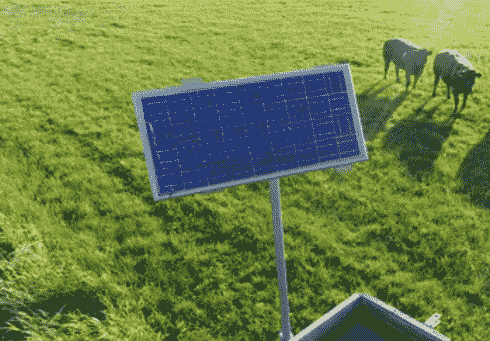
- Decarbonization at Scale: Larger grids can absorb higher shares of renewables by "smoothing out" weather fluctuations across vast geographies.
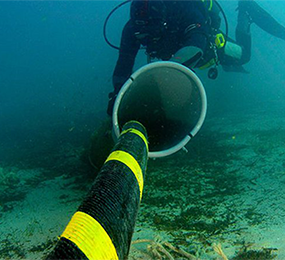
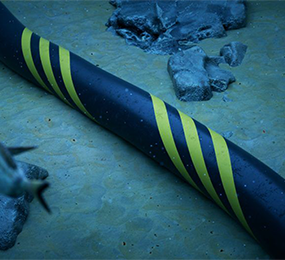
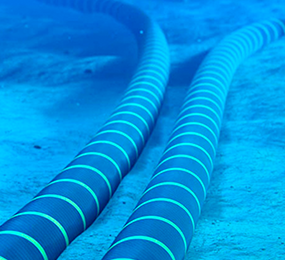
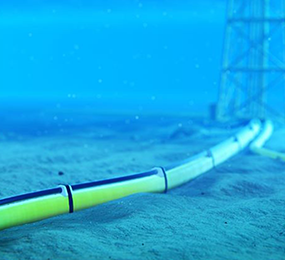
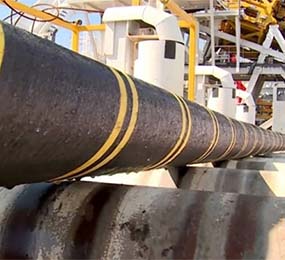
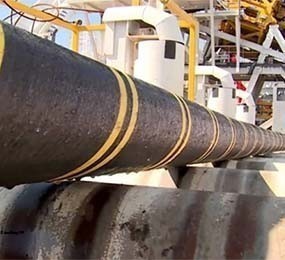
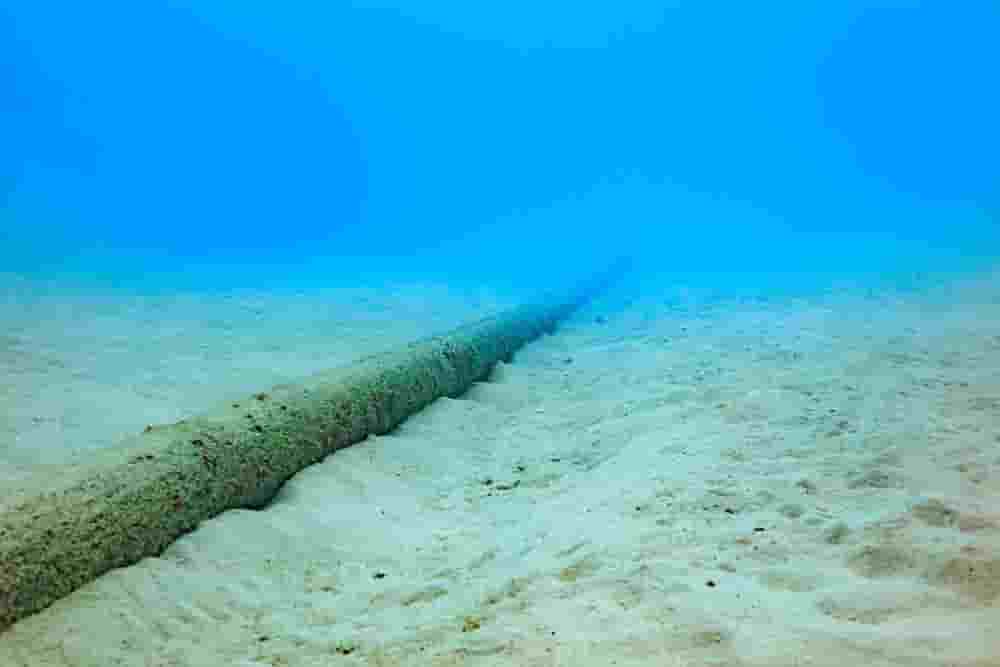
- Economic Optimization: Projects like the ELMED subsea cable and the maturing ASEAN Power Grid demonstrate how sharing reserves reduces the need for redundant, expensive peaking plants.
The Regulatory "Potholes"
Yet, the path to a borderless grid is littered with challenges. In 2026, the biggest bottleneck isn’t the cable—it’s the paperwork. Interconnection queues remain notoriously bloated; in the U.S. and Europe, thousands of projects are stalled while awaiting multi-year technical studies.
Furthermore, cost allocation remains a diplomatic headache: who pays for a subsea link that benefits an entire region but only traverses one nation’s waters? Harmonizing market rules—such as the ongoing debates over marginal pricing—requires a level of political will that often lags behind technical capability.
Looking Ahead
To move forward, 2026 must be the year of regulatory innovation. Implementing "non-firm" connection agreements and streamlining trans-jurisdictional permitting are essential. If we want a resilient, green future, our grids must learn to speak the same language across every border.
Visit our website to know more: https://www.leadventgrp.com/events/6th-annual-submarine-power-cable-and-interconnection-forum/details
For more information and group participation, contact us: [email protected]
Leadvent Group - Industry Leading Events for Business Leaders!
www.leadventgrp.com| [email protected]



Comment