

AI-Driven Data Centre Infrastructure: Powering the Next Generation of Digital Innovation
As artificial intelligence continues to transform industries worldwide, the demand for high-performance computing and data processing capabilities is growing at an unprecedented pace. At the heart of this digital revolution are data centres—critical facilities that store, process, and manage vast amounts of information. To meet increasing performance requirements while maintaining efficiency and sustainability, organizations are turning to AI-driven data centre infrastructure.
AI-driven data centres combine advanced computing systems with artificial intelligence technologies to optimize operations, improve resource utilization, and enhance reliability. Rather than relying solely on manual management, these facilities use intelligent algorithms and real-time analytics to monitor and control critical infrastructure components, creating smarter and more efficient environments.
One of the most significant advantages of AI-driven infrastructure is operational efficiency. Modern data centres generate enormous volumes of operational data from servers, cooling systems, power distribution units, and network equipment. AI systems can analyze this information in real time, identifying patterns and making adjustments that improve overall performance. This enables operators to manage resources more effectively while reducing operational complexity.
Energy consumption remains one of the biggest challenges facing the data centre industry. As digital services expand and AI workloads become more intensive, facilities require increasing amounts of electricity. AI-powered energy management systems help address this challenge by continuously optimizing power usage and cooling operations. By predicting demand and adjusting systems automatically, these technologies can significantly improve energy efficiency while reducing operating costs.
Cooling is a particularly important area where artificial intelligence is delivering measurable benefits. Data centres generate substantial heat, and maintaining optimal temperatures is essential for equipment performance and reliability. AI algorithms can monitor environmental conditions, anticipate temperature fluctuations, and adjust cooling systems accordingly. This results in lower energy consumption and improved infrastructure performance.
Predictive maintenance is another area where AI is transforming data centre operations. Traditional maintenance approaches often rely on scheduled inspections or reactive repairs after failures occur. AI-driven systems can detect early signs of equipment degradation by analyzing operational data and identifying anomalies. This allows operators to address potential issues before they lead to costly downtime or system failures.
Reliability and uptime are critical priorities for data centre operators. Businesses, governments, financial institutions, and cloud service providers depend on continuous access to digital services. AI enhances resilience by monitoring infrastructure health around the clock and providing actionable insights that support proactive decision-making. This helps reduce disruptions and maintain service continuity.
The rapid growth of cloud computing and artificial intelligence applications is also influencing infrastructure design. AI workloads require powerful processors, high-density computing environments, and advanced networking capabilities. As a result, data centres are evolving to accommodate specialized hardware and scalable architectures capable of supporting increasingly complex computational tasks.
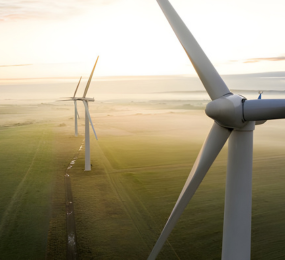
Sustainability has become a major focus across the industry. Investors, customers, and regulators are placing greater emphasis on environmental performance, prompting operators to seek innovative ways to reduce their carbon footprint. AI contributes to sustainability goals by improving energy efficiency, optimizing resource utilization, and supporting the integration of renewable energy sources into facility operations.
Security is another important benefit of AI-enabled infrastructure. Intelligent monitoring systems can identify unusual network activity, detect potential threats, and respond more quickly to cybersecurity risks. As digital ecosystems become more interconnected, advanced security capabilities are becoming essential for protecting sensitive data and maintaining trust.
Despite its advantages, implementing AI-driven infrastructure requires significant investment in technology, talent, and digital transformation strategies. Organizations must also address challenges related to data management, system integration, and workforce development. However, the long-term benefits often outweigh the initial costs, particularly as demand for digital services continues to rise.
Looking ahead, AI is expected to play an even greater role in shaping the future of data centres. From autonomous operations and intelligent energy management to predictive analytics and advanced automation, artificial intelligence is redefining how critical digital infrastructure is designed and managed.
As the world becomes increasingly data-driven, AI-powered data centres will serve as the foundation of the digital economy, enabling businesses to operate more efficiently while supporting innovation, sustainability, and long-term growth.
Takeaway Point:
AI-driven data centre infrastructure is helping organizations improve efficiency, reduce energy consumption, enhance reliability, and support the growing demands of cloud computing and artificial intelligence in a more sustainable way.















Comment