

How Logistics Innovation Enhances Supply Chain Resilience
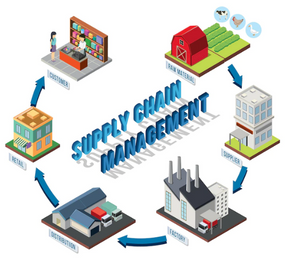
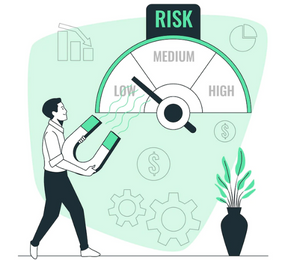
In an era defined by geopolitical instability, climate change, and global health crises, supply chain resilience has shifted from a competitive advantage to a survival imperative. Logistics innovation serves as the primary engine for this transformation, providing the tools necessary to anticipate, absorb, and recover from unforeseen shocks. By integrating advanced technologies, organizations are moving away from rigid, linear models toward agile, self-healing networks.
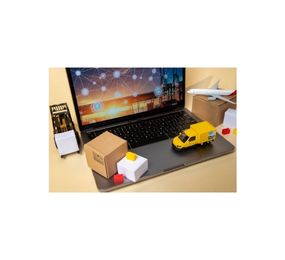
One of the most impactful innovations is the implementation of Real-Time Visibility (RTV) powered by the Internet of Things (IoT). Historically, supply chains suffered from "blind spots" during transit. Today, smart sensors and GPS tracking allow logistics managers to monitor cargo conditions and locations in real-time. This transparency enables "proactive rerouting"—the ability to divert shipments away from port strikes or extreme weather events before they become bottlenecks, thereby maintaining the flow of goods despite local disruptions.
Furthermore, the rise of Artificial Intelligence (AI) and predictive analytics has revolutionized inventory management. By analyzing vast datasets, AI can forecast demand spikes and identify potential supplier vulnerabilities with high precision. This allows companies to move from "Just-in-Time" to "Just-in-Case" strategies more efficiently, optimizing safety stock levels without incurring excessive holding costs. Digital twins—virtual replicas of the physical supply chain—further allow firms to stress-test their logistics under various "what-if" scenarios, ensuring they have a playbook for every crisis.
Finally, the automation of "last-mile" delivery and warehousing through robotics and autonomous vehicles reduces the dependency on manual labor during workforce shortages. When combined with blockchain for secure, immutable documentation, these innovations minimize administrative delays and fraud.
In conclusion, logistics innovation is the bedrock of modern supply chain resilience. By fostering visibility, predictability, and autonomy, these technologies ensure that global trade can withstand the volatility of the 21st century, turning potential disasters into manageable operational pivots.
Visit our website to know more: https://www.leadventgrp.com/events/3rd-annual-supply-chain-risk-and-resilience-forum/details
For more information and group participation, contact us: [email protected]
Leadvent Group - Industry Leading Events for Business Leaders!
www.leadventgrp.com| [email protected]












Comment