

How to decarbonise a global supply chain 2026
Decarbonising a global supply chain in 2026 is no longer just an environmental goal; it is a core business imperative. As regulatory frameworks like the EU's Carbon Border Adjustment Mechanism (CBAM) enter strict enforcement phases, companies must rewrite their operational playbooks. The modern objective is to balance carbon neutrality with operational survival.
1. Redesigning Global Networks
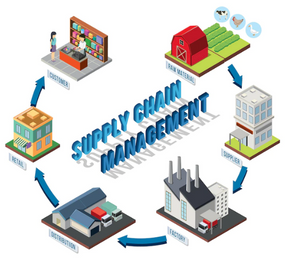
The foundation of a sustainable net-zero strategy lies in structural optimization. Decarbonising intensive logistics networks requires companies to transition away from high-emission, long-haul freight lanes. This operational shift has accelerated nearshoring initiatives, bringing manufacturing nodes closer to primary consumer markets to eliminate thousands of miles of ocean and air freight emissions.
2. Intelligence and Sourcing Architecture
True carbon reduction requires extreme visibility across all tiers of production. Deploying a transparent digital supply chain infrastructure allows companies to monitor live carbon footprints and model potential disruptions accurately. Under this framework, procurement teams are re-engineering supplier criteria, prioritizing vendors that utilize renewable energy ecosystems and circular economy materials over those offering the lowest cost.
3. Balancing Green Strategies with Threat Mitigation
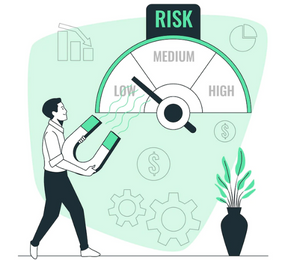
Every change made to a legacy network introduces fresh vulnerabilities. Transitioning to alternative energy or localized suppliers alters established operations and introduces new friction points. Leaders must employ continuous risk assessment protocols to ensure that aggressive carbon-cutting measures do not trigger a cascading supply chain disruption. Managing complex trade risk, shifting tariffs, and volatile green infrastructure demands aggressive, comprehensive risk management.
Ultimately, true sustainability cannot exist without structural resilience. True supply chain resilience means building an agile network capable of mitigating environmental impact while simultaneously absorbing geopolitical and macroeconomic shocks. By embedding carbon data directly into daily logistics planning, organizations can forge a supply chain that is both radically low-emission and structurally unshakeable.
Visit our website to know more: https://www.leadventgrp.com/events/3rd-annual-supply-chain-risk-and-resilience-forum/details
For more information and group participation, contact us: [email protected]
Leadvent Group - Industry Leading Events for Business Leaders!











Comment