

How to Reduce Costs in Floating Offshore Wind: Unlocking the Path to Commercial Scale
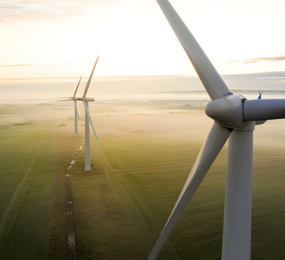
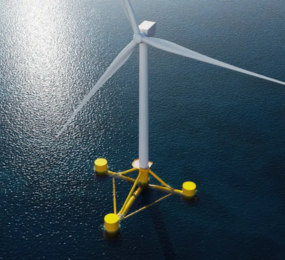
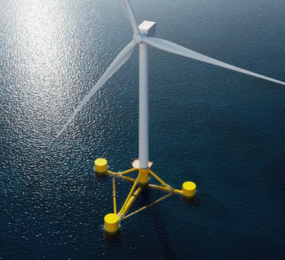
Floating offshore wind is rapidly emerging as one of the most promising renewable energy technologies for the global energy transition. By enabling wind turbines to operate in deep-water locations where fixed-bottom foundations are not feasible, floating wind projects can access stronger and more consistent wind resources. However, despite its significant potential, one of the industry's greatest challenges remains cost competitiveness.
Compared to conventional offshore wind, floating wind projects currently involve higher development, installation, and operational costs. As governments and investors seek to accelerate deployment, reducing these costs has become essential for achieving large-scale commercial success.
One of the most effective ways to lower costs is through economies of scale. Like many emerging technologies, floating offshore wind becomes more cost-efficient as deployment increases. Larger projects allow developers to spread fixed costs across greater generating capacity while improving procurement efficiency and attracting larger investments. As more projects move from pilot stages to commercial-scale developments, costs are expected to decline significantly.
Standardization is another important factor. Early floating wind projects often use customized platform designs and engineering solutions. While innovation remains valuable, standardizing components, foundations, and installation processes can reduce manufacturing costs and simplify project execution. A more standardized approach also helps strengthen supply chains and improve investor confidence.
Advancements in turbine technology are contributing to cost reductions as well. Modern offshore wind turbines are becoming larger and more powerful, enabling projects to generate more electricity with fewer units. Higher energy output improves project economics by increasing revenue potential while reducing the number of foundations, cables, and maintenance requirements needed per megawatt of capacity.
Supply chain development plays a crucial role in improving affordability. As the floating wind sector grows, manufacturers are investing in specialized facilities for platform construction, turbine assembly, and component production. Expanding local and regional supply chains can reduce transportation expenses, improve project timelines, and create long-term economic benefits for host regions.
Port infrastructure is equally important. Floating wind platforms are often assembled and integrated at ports before being transported offshore. Upgrading port facilities to accommodate large-scale manufacturing and deployment activities can improve operational efficiency and lower logistics costs throughout the project lifecycle.
Installation and maintenance strategies are also evolving. One advantage of floating wind technology is that turbines can often be assembled closer to shore and towed to their operating locations. This reduces the need for expensive offshore construction activities and specialized installation vessels. Similarly, maintenance can sometimes be performed by towing platforms back to port rather than conducting complex repairs at sea.
Digital technologies are helping optimize project performance and reduce operating costs. Advanced monitoring systems, artificial intelligence, and predictive maintenance tools allow operators to identify potential issues before they become costly failures. By improving reliability and minimizing downtime, these technologies contribute to stronger financial performance over the life of a project.
Government support remains a key driver of cost reduction. Clear regulatory frameworks, long-term energy policies, and competitive auction systems help create market certainty and encourage investment. Financial incentives and early-stage support mechanisms can accelerate deployment while enabling the industry to achieve scale more quickly.
Collaboration across the industry is equally important. Developers, manufacturers, financial institutions, policymakers, and research organizations all have a role to play in sharing knowledge and accelerating innovation. Industry partnerships can help reduce duplication, improve technology performance, and strengthen market confidence.
Financing costs also influence overall project economics. As floating wind technology matures and more operational data becomes available, investors gain greater confidence in project performance. Improved bankability can lower financing costs and make projects more attractive to institutional investors.
While floating offshore wind still faces challenges, the pathway to cost reduction is becoming increasingly clear. Continued innovation, larger deployments, stronger supply chains, and supportive policy frameworks are helping move the industry toward greater competitiveness.
As global demand for clean energy continues to grow, reducing the cost of floating offshore wind will be essential to unlocking its full potential. With the right combination of technology, investment, and collaboration, floating wind can become a major contributor to the world's renewable energy future.
Takeaway Point:
Reducing costs in floating offshore wind depends on scaling projects, improving technology, strengthening supply chains, optimizing installation methods, and creating supportive policy environments that encourage long-term investment.
Learn more on our website: https://www.leadventgrp.com/event/6th-annual-floating-wind-europe/register
For more information and group participation, contact us: [email protected]
Leadvent Group - Industry Leading Events for Business Leaders!
www.leadventgrp.com | [email protected]






Comment