

Why Floating Wind Maintenance Is a Different Problem Entirely
Offshore wind has spent two decades refining its maintenance playbook. Standardised vessels, trained crews, documented procedures — the industry built muscle memory. Then floating wind arrived and asked a direct question: what happens when none of that infrastructure applies?
The answer is still being written. The costs and technical decisions made now will determine whether floating wind delivers on its commercial promise or stumbles at the operations stage.
Fixed-Bottom vs Floating: The Core Maintenance Gap
With offshore wind on fixed foundations, the turbine stays still. Jack-up vessels stabilise beside the monopile. Technicians climb with confidence. Component replacements follow a well-tested sequence.
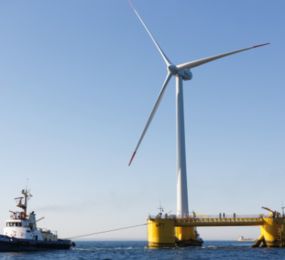
Floating turbines are in constant motion. They pitch, roll, and surge in response to waves and currents. Transferring a technician from a crew vessel to a moving platform means managing two floating objects in hostile seas. Weather windows for safe access are narrower and harder to predict.
Key differences at a glance:
- Access conditions: Fixed-bottom sites offer predictable access; floating sites sit further offshore with harsher sea states
- Weather windows: Floating wind farms have fewer viable operational windows per year
- Vessel requirements: Standard CTVs are often unsuitable; motion-compensated SOVs are needed
- Component loads: Floating platforms carry higher cyclic loads, increasing fatigue risk across the substructure
- O&M cost share: O&M can account for 20-30% of total lifecycle expenditure for floating turbines
The Part That Lives Underwater
Ask what makes floating wind maintenance different, and most people mention the turbine. The more critical answer is what sits beneath it.
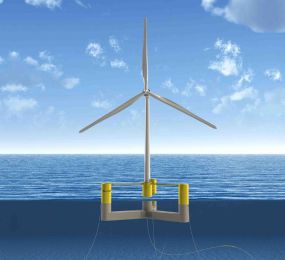
The anchoring and mooring system is the most maintenance-intensive component on a floating wind asset. Catenary mooring lines and drag anchors require annual surveys. Every five years, lines must be raised to the surface for physical inspection. This is not a straightforward ROV flyover. It is a complex, weather-dependent operation that carries its own risk of damage to the lines being inspected.
What makes mooring maintenance especially demanding:
- Lines sit underwater and cannot be observed visually
- Dynamic platform motion amplifies cyclic loads beyond anything a seabed-fixed structure would experience
- Fatigue, corrosion, and marine growth are persistent concerns with limited real-time monitoring
- Removing lines for inspection requires a removal-and-reconnection process still being standardised across the industry
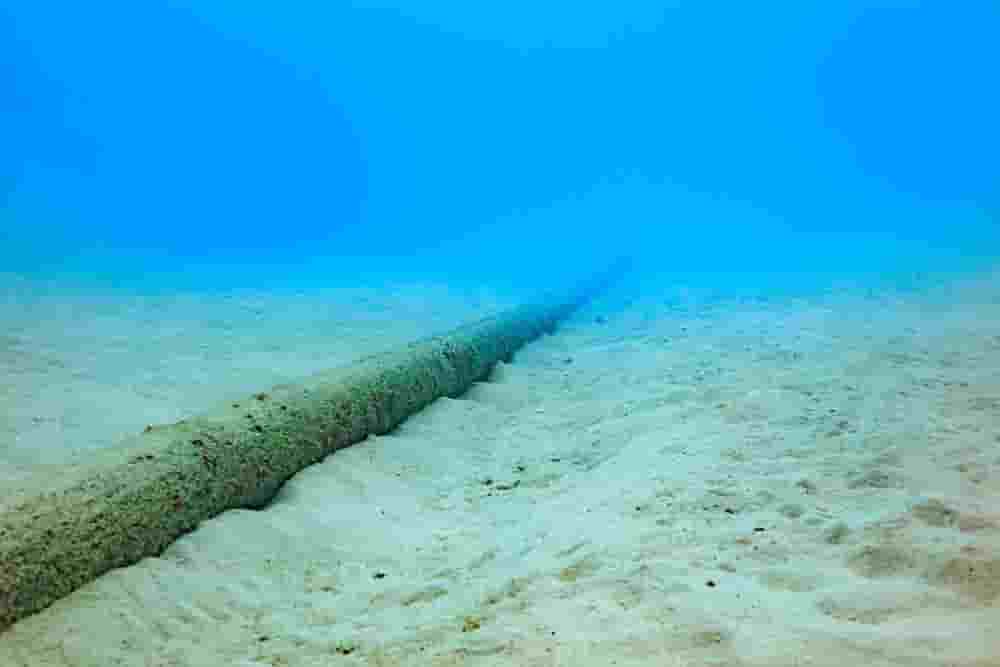
Dynamic power cables add another layer. They flex continuously with platform movement and have no fixed-bottom equivalent. Repair operations are technically demanding in ways the fixed-bottom sector has never had to address.
Tow-to-Port: Useful, But Not the Full Answer
One maintenance approach unique to floating wind is the tow-to-port strategy. When a turbine needs major work, the platform is disconnected and towed to port for land-based maintenance.
It sounds efficient. The reality is more nuanced.
For large commercial farms, total downtime from disconnection, tow-out, repair, and reconnection can exceed equivalent in-situ work on a fixed-bottom turbine. Port availability and quick-connect readiness add further variables.
That said, tow-to-port performs well for specific tasks:
- Generator replacements
- Pitch system overhauls
- Major structural inspections
For blade and gearbox work, onsite strategies often deliver better downtime results. The right approach depends on floater design, distance to port, and available quick-connect technology. Many systems remain at early readiness levels.
The New O&M Toolkit
The industry is actively developing tools built specifically for floating wind maintenance.
AUVs and Drones: These cut the need for human presence during hazardous inspection phases. Mooring surveys, blade monitoring, and structural assessments can now occur without putting technicians at direct risk.
Digital Twins: Virtual models fed by real-time sensor data detect degradation in platform structure, mooring tension, and drivetrain condition before failure occurs. This shifts operations from reactive to planned maintenance.
Specialised SOVs: Motion-compensated gangways and dynamic positioning allow crew transfers in sea states that would ground conventional CTVs, directly extending the effective maintenance window.
These tools are in use today at Hywind Scotland, Kincardine, and the French Atlantic demonstrators. Lessons from these projects will define how commercial-scale farms are maintained this decade.
Why Getting This Right Matters Now
The floating wind sector has a clear commercial target: close the cost gap with fixed-bottom installations. O&M is one of the most significant levers available.
Getting maintenance strategy right means:
- Developing vessel and port infrastructure ahead of commercial scale-up
- Investing in monitoring technology before failures occur
- Building supply chains capable of responding to floating-specific failure modes
- Aligning developers, technology providers, and policymakers on practical needs
Where the Industry Meets to Solve These Problems
The 6th Annual Floating Wind Europe, hosted by Leadvent Group, takes place on 23-24 June 2026 at the Radisson Blu Hotel, London Heathrow. It is a focused, two-day hybrid event drawing 150+ pre-qualified professionals from across the floating wind sector.
Leadvent Group is a specialist B2B events organiser connecting senior decision-makers and technical experts driving the energy transition. The Floating Wind Conference series has earned its place as one of Europe's most targeted forums for floating wind commercialisation.
The event is designed for:
- O&M Engineers and Offshore Operations Specialists
- Project Directors and Engineering Managers
- R&D Managers and Technical Leads
- Developers, Investors, and Asset Owners
- Technology and Service Providers
Sessions cover O&M challenges, next-generation mooring and anchor systems, dynamic cables, digital twin applications, and port readiness.
If you work in floating wind, this is the room where the sector's most consequential technical and commercial decisions get shaped. Secure your place at the 6th Annual Floating Wind Europe before seats fill — register now at 6th Annual Floating Wind Europe and put yourself in front of the people driving this industry forward.
Frequently Asked Questions
- Why is O&M more expensive for floating wind than for fixed-bottom turbines?
Floating turbines sit further offshore in harsher sea states. This reduces weather windows, increases vessel transit times, and demands specialised equipment. Mooring systems and dynamic cables introduce maintenance requirements with no fixed-bottom equivalent. O&M costs can reach 20-30% of total lifecycle expenditure.
- Can floating turbines be towed to shore for major repairs?
Yes, and for certain tasks it is the preferred approach. However, total downtime from disconnection, towing, repair, and reconnection can exceed onsite alternatives for other component types. Viability depends on floater design, distance to port, and port availability.
- How often do mooring systems need inspection?
Annual surveys are standard. Mooring lines are raised for physical inspection approximately every five years. These operations require ROVs and specialist vessels and are highly sensitive to weather conditions.
- What can I expect to take away from the 6th Annual Floating Wind Europe?
Beyond the technical sessions, the event offers direct access to developers, engineers, and operations leads from active floating wind projects across Europe. Structured networking and 1:1 meetings are where the most actionable conversations happen. Whether you are benchmarking your O&M strategy, exploring partnerships, or mapping where the sector is heading, the format is built for outcomes, not just attendance.






Comment