

Hydrogen: Fueling the Transition to a Cleaner Energy Future
In the evolving narrative of global energy transition, hydrogen has emerged as one of the most promising solutions for achieving a carbon-neutral world. Lightweight, versatile, and energy-dense, hydrogen stands at the crossroads of innovation and sustainability, offering a pathway to decarbonize sectors that have long been difficult to clean up.
The Promise of Hydrogen
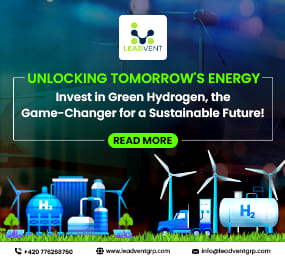
Hydrogen’s appeal lies in its versatility. It can be used to power vehicles, heat industries, and generate electricity—all without producing carbon dioxide when sourced sustainably. The cleanest form, known as green hydrogen, is produced through the electrolysis of water using renewable energy sources like wind and solar. Unlike fossil fuels, it releases only water vapor when used, making it a cornerstone in the effort to reduce greenhouse gas emissions.
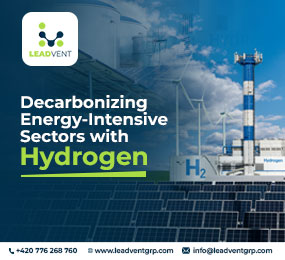
Across Europe, Asia, and Africa, governments and private sectors are investing heavily in hydrogen infrastructure, recognizing its potential to replace fossil-based energy in industries such as steelmaking, aviation, and shipping—areas where electrification alone may not be sufficient.
Hydrogen’s Expanding Role
Beyond energy production, hydrogen’s role as an energy carrier positions it as a bridge between renewable energy generation and end-use sectors. For instance, it can store excess renewable energy, helping stabilize grids and ensure reliable supply during periods of low wind or sunlight. This capability could make hydrogen an essential pillar of future energy systems built around renewables.
Moreover, hydrogen-powered vehicles—especially trucks, buses, and trains—are gaining attention as viable solutions for long-distance transport. Unlike battery electric vehicles, hydrogen fuel cells can be refueled in minutes and offer longer ranges, providing flexibility for logistics and industrial mobility.
The Challenges Ahead
Despite its promise, hydrogen’s path is not without obstacles. Production costs, limited infrastructure, and energy efficiency losses in conversion remain critical challenges. Most hydrogen today is still produced from natural gas—a process that emits carbon unless coupled with carbon capture technologies.
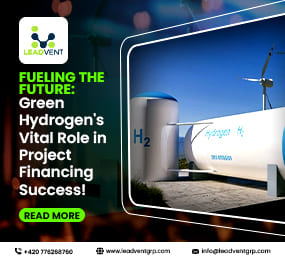
To unlock its full potential, the world must accelerate investments in green hydrogen projects, scale up electrolysis technology, and establish international standards for production and transport. Collaborative efforts between governments, investors, and innovators will be essential in driving down costs and building a resilient hydrogen economy.
A Vision for the Future
The shift to a hydrogen-driven economy represents more than a technological evolution—it’s a global commitment to sustainability and resilience. As innovation continues to mature, hydrogen could become a unifying force across industries, powering cities, transportation networks, and manufacturing systems with clean, efficient energy.
Takeaway Point: Hydrogen is more than a fuel, it’s a key enabler of the world’s clean energy transformation. By investing in innovation, infrastructure, and international cooperation, hydrogen has the potential to reshape the global energy landscape and power a sustainable future for generations to come.
Learn more on our website: https://www.leadventgrp.com/event/10th-edition-cee-hydrogen-summit/register
For more information and group participation, contact us: [email protected]
Leadvent Group - Industry Leading Events for Business Leaders!
www.leadventgrp.com | [email protected]








Comment