

Integrating Recycling Technologies with Biopolymer Solutions
The global push for sustainability has positioned biopolymers—plastics derived from renewable biomass—as a viable alternative to petroleum-based synthetics. However, replacing conventional plastics is only half the battle. To achieve a truly circular economy, the industry must successfully integrate advanced recycling technologies with biopolymer solutions, ensuring these green materials do not end up clogging landfills.
The Compatibility Challenge
While biopolymers like Polylactic Acid (PLA) and Polyhydroxyalkanoates (PHA) are biodegradable or compostable under specific conditions, they pose a challenge to current recycling infrastructure. If introduced into standard Polyethylene Terephthalate (PET) recycling streams, even a small amount of PLA can contaminate the batch, degrading the quality of the recycled resin. Therefore, integration requires a dual approach: advanced sorting and dedicated recycling pathways.
Advanced Sorting and Mechanical Recycling
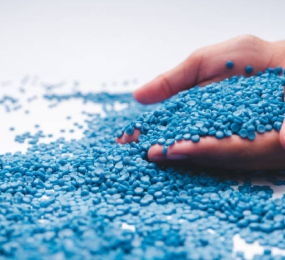
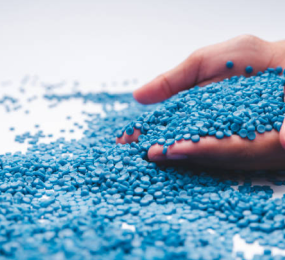
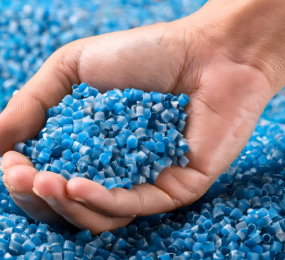
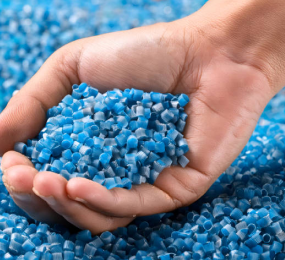
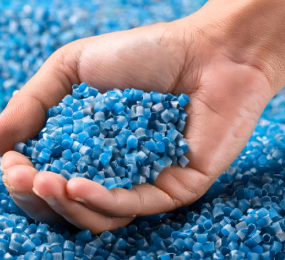
Integrating near-infrared (NIR) sorting technologies into existing material recovery facilities (MRFs) is the first critical step. NIR sensors can accurately distinguish biopolymers from traditional plastics, routing them to specialized mechanical recycling streams. Mechanical recycling of biopolymers involves washing, shredding, and melting the material back into pellets. For high-purity PLA streams, this process successfully extends the material's lifecycle without sacrificing structural integrity.
Chemical Recycling: Breaking it Down
For mixed or contaminated bio-plastics, chemical recycling (depolymerization) offers the ultimate solution. Technologies like thermal degradation and hydrolysis break biopolymers back down into their original monomers. These high-quality monomers can then be repolymerized into virgin-quality bioplastics. This closed-loop system eliminates the downcycling effect common in traditional plastic recycling.
By bridging the gap between bio-based material design and advanced waste management, industries can minimize fossil-fuel reliance and ensure that tomorrow's packaging leaves no trace behind.
Visit our website to know more: https://www.leadventgrp.com/events/circular-packaging-biopolymer-summit/details
For more information and group participation, contact us: [email protected]
Leadvent Group - Industry Leading Events for Business Leaders!






Comment