

Keeping the Lights On: The High-Stakes World of Energy Risk Management
The energy sector is the backbone of modern civilization, but let’s be real: it is also inherently dangerous. Whether you’re dealing with high-voltage grids, pressurized gas pipelines, or massive offshore wind turbines, the margin for error is razor-thin. In this environment, Risk Assessment and Hazard Management aren't just bureaucratic hoops to jump through—they are the literal lifelines of the industry.
Identifying the "What-Ifs"
Risk assessment starts with a cold, hard look at reality. It is the systematic process of identifying what could go wrong before a crisis occurs. In energy operations, this involves analyzing a volatile cocktail of factors: mechanical fatigue, chemical instability, human error, and unpredictable weather.
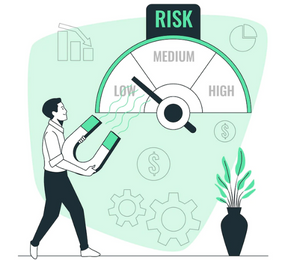
Operators often utilize a Risk Matrix to categorize threats based on their likelihood and potential severity. If a specific failure is deemed both "highly probable" and "catastrophic," it doesn’t just get a mention in a report; it triggers an immediate operational overhaul.
The Hierarchy of Control
Once hazards are identified, management strategies must be deployed. The industry typically follows a Hierarchy of Controls to mitigate danger effectively:
- Elimination: Physically removing the hazard.
- Substitution: Replacing a dangerous process or substance with a safer one.
- Engineering Controls: Designing "fail-safes," such as automatic shut-off valves or blast walls.
- Administrative Controls: Rigorous training and "Permit to Work" systems.
- PPE: The final, yet most visible, line of defense.
A Proactive Future
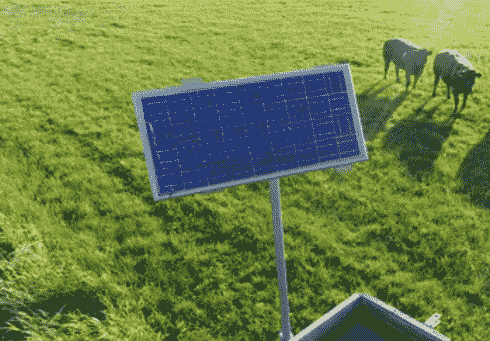
Modern energy firms are shifting from "reactive" safety to "proactive" resilience. By leveraging IoT sensors and AI-driven predictive maintenance, companies can now fix a weakening component before it fails. However, technology is only half the battle. A robust Safety Culture—where any employee has the authority to "stop work" without fear of reprisal—remains the most effective tool for preventing disasters.
In the end, managing risk isn't about achieving a state of zero danger; that’s impossible. It’s about being smarter, faster, and more prepared than the hazards we face.
Visit our website to know more:https://www.leadventgrp.com/events/hse-excellence-for-energy-and-utilities/details
For more information and group participation, contact us: [email protected]
Leadvent Group - Industry Leading Events for Business Leaders!
www.leadventgrp.com| [email protected]











Comment