

Marine Fuels Ecosystem: Navigating the Transition to Sustainable Shipping
The marine fuels ecosystem is at the core of global trade. Every vessel crossing oceans depends on a reliable fuel supply, supported by a complex network of producers, suppliers, ports, regulators, and operators. As the maritime industry faces growing pressure to reduce emissions, this ecosystem is evolving carefully balancing environmental responsibility with operational and economic realities.
For decades, heavy fuel oil and marine diesel formed the backbone of shipping. These fuels were widely available, cost-effective, and well understood by shipowners and crews. However, rising concerns about air pollution, greenhouse gas emissions, and climate change have reshaped expectations. Today, the marine fuels ecosystem is no longer defined by a single dominant fuel but by a diverse and expanding mix of alternatives.
Liquefied natural gas (LNG) has emerged as a transitional option, offering lower sulfur and particulate emissions. Biofuels are gaining interest because they can often be blended with existing fuels, allowing ships to reduce emissions without major engine modifications. At the same time, long-term solutions such as methanol, ammonia, hydrogen, and synthetic fuels are moving from pilot projects to early commercial adoption. Each fuel brings different implications for safety, cost, availability, and emissions performance.
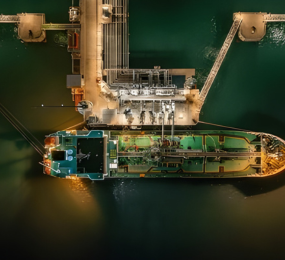
Infrastructure is one of the most critical elements of the marine fuels ecosystem. Ports and bunkering facilities must adapt to store, handle, and deliver new fuel types safely. This requires investment in equipment, training, and safety systems, as well as close coordination between port authorities and fuel suppliers. Without reliable infrastructure, alternative fuels struggle to scale, regardless of their technical potential.
Regulation plays a defining role in shaping fuel choices. International maritime rules, emissions targets, and reporting requirements are pushing operators to rethink long-term fuel strategies. Clear and consistent regulation helps reduce uncertainty and encourages investment, while fragmented or changing rules can slow decision-making. For many stakeholders, regulatory clarity is just as important as fuel availability.
People are at the heart of the ecosystem. Seafarers, engineers, port workers, and fuel specialists must adapt to new technologies and operational practices. Training and safety culture are essential, particularly when handling fuels with different physical and chemical properties. A successful transition depends not only on technology but also on human readiness and confidence.
Collaboration across the value chain is increasingly important. Fuel producers need demand signals from shipowners. Shipowners rely on ports and suppliers to provide
consistent access to new fuels. Financial institutions and insurers seek confidence that investments are aligned with long-term regulations and market trends. No single player can drive change alone; progress depends on shared goals and coordinated action.
The marine fuels ecosystem is not moving toward a single solution. Instead, it is evolving into a flexible, multi-fuel system that reflects the diversity of vessels, trade routes, and regional conditions. This pragmatic approach allows the industry to reduce emissions steadily while maintaining reliability and competitiveness.
As the maritime sector looks ahead, the strength of the marine fuels ecosystem will determine how quickly and effectively it can meet sustainability goals. By aligning technology, infrastructure, regulation, and people, the industry is laying the groundwork for a cleaner and more resilient future for global shipping.
Takeaway Point
The marine fuels ecosystem is shifting toward a diverse, collaborative model where fuel innovation, infrastructure readiness, and human expertise work together to support sustainable maritime transport.
Learn more on our website: https://www.leadventgrp.com/event/world-sustainable-marine-fuels-forum/register
For more information and group participation, contact us: [email protected]
Leadvent Group - Industry Leading Events for Business Leaders!
www.leadventgrp.com | [email protected]














Comment