

Marine Fuels: Powering Global Shipping Through Change
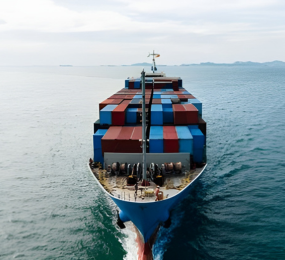
Marine fuels sit at the core of the global shipping industry, quietly enabling the movement of goods that sustain modern life. From raw materials and food supplies to finished consumer products, most international trade depends on vessels fueled to cross oceans reliably and efficiently. While often overlooked, marine fuels influence operating costs, environmental impact, and the future direction of maritime transport.
For decades, heavy fuel oil (HFO) was the dominant energy source for large commercial vessels. Its high energy density and relatively low cost made it a practical choice for long-distance shipping. However, its high sulfur content and emissions profile placed it under increasing scrutiny as environmental awareness and regulation evolved.
This shift led to the adoption of cleaner fuel options such as very low sulfur fuel oil (VLSFO) and marine gas oil (MGO). These fuels help ship operators comply with international sulfur limits while reducing harmful emissions, particularly in coastal areas and ports. Although they come at a higher cost, their use supports cleaner air and improved environmental performance.
Fuel quality remains a critical concern in marine operations. Ships operate for long periods under demanding conditions, often far from repair facilities. Poor-quality fuel can cause engine damage, unplanned downtime, and safety risks. As a result, fuel testing, proper storage, and strict handling procedures are essential to maintaining vessel reliability and protecting assets.
Cost pressure is another defining factor. Fuel represents a significant portion of a vessel’s operating expenses, directly affecting freight rates and global supply chains. Rising fuel prices can quickly translate into higher transport costs, influencing everything from consumer prices to industrial production. This reality has encouraged shipowners to focus on fuel efficiency through optimized routing, improved hull design, and modern engine technologies.
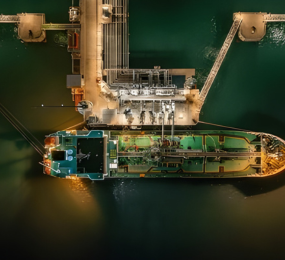
Environmental regulation is now reshaping fuel choices across the maritime sector. International standards aimed at reducing sulfur emissions and greenhouse gases are accelerating interest in alternative marine fuels. Liquefied natural gas (LNG) has gained traction as a transitional option, offering lower emissions compared to conventional fuels. At the same time, biofuels, methanol, and ammonia are being explored as longer-term solutions.
Each alternative brings its own challenges, including infrastructure requirements, cost, and availability. As a result, the transition away from conventional fuels is gradual. Many operators are taking a flexible approach, combining cleaner fuels with efficiency measures while preparing for future regulatory and market shifts.
Marine fuels are no longer just about powering engines; they are part of a broader conversation about sustainability, efficiency, and resilience. As global trade continues to grow, the shipping industry must balance operational demands with environmental responsibility, ensuring marine fuels evolve alongside the world they support.
Key Takeaway
Marine fuels are central to global trade, and their evolution reflects the shipping industry’s effort to balance efficiency, cost, and environmental responsibility.
Learn more on our website: https://www.leadventgrp.com/event/world-sustainable-marine-fuels-forum/register
For more information and group participation, contact us: [email protected]
Leadvent Group - Industry Leading Events for Business Leaders!
www.leadventgrp.com | [email protected]














Comment