

Net Zero Decarbonization: Accelerating the Transition to a Low-Carbon Economy
Achieving net zero decarbonization has become a defining objective for governments, businesses, and industries worldwide. It involves reducing greenhouse gas emissions as much as possible while balancing any remaining emissions through carbon removal or offsetting measures. This approach is essential for limiting climate change, strengthening energy security, and building a more sustainable global economy.
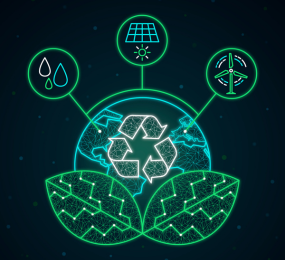
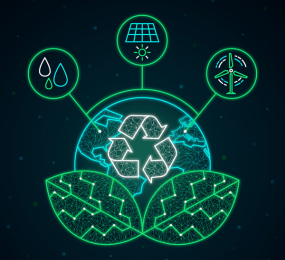
Across industries, organizations are adopting comprehensive decarbonization strategies to reduce their environmental impact. These include transitioning to renewable energy, improving energy efficiency, electrifying industrial processes, investing in green hydrogen, deploying carbon capture, utilisation and storage (CCUS), and embracing circular economy practices. Together, these initiatives help lower emissions while maintaining productivity and competitiveness.
Digital technologies are also playing a crucial role in the net-zero transition. Artificial intelligence, Internet of Things (IoT) sensors, digital twins, and advanced data analytics enable organizations to monitor energy consumption, optimize operations, identify emissions hotspots, and make informed decisions that improve efficiency and reduce carbon footprints.
Supply chain decarbonization has become another key priority. Companies are working closely with suppliers, logistics providers, and customers to reduce Scope 3 emissions through sustainable sourcing, low-carbon transportation, and improved lifecycle management. Strong collaboration across the value chain is essential to achieving meaningful emissions reductions.
Supportive government policies, carbon pricing mechanisms, ESG reporting requirements, and sustainable finance are further accelerating the transition. These frameworks encourage innovation, attract investment, and help organizations align with international climate commitments while creating new opportunities for growth.
Although reaching net zero presents significant technical and financial challenges, it also drives innovation, strengthens business resilience, and enhances long-term competitiveness. Organizations that invest early in decarbonization are better positioned to adapt to evolving regulations, meet stakeholder expectations, and thrive in a low-carbon economy.
Takeaway Point
Net zero decarbonization is more than an environmental commitment, it is a strategic approach to building resilient, efficient, and future-ready businesses. By combining clean energy, advanced technologies, sustainable supply chains, and industry collaboration, organizations can reduce emissions while creating lasting economic and environmental value.
For more information and group participation, contact us: [email protected]
Leadvent Group - Industry Leading Events for Business Leaders!














Comment