

Net Zero Manufacturing: Building a Sustainable Future for Industry
Manufacturing has long been a cornerstone of economic growth, driving innovation, creating jobs, and supporting global supply chains. From automotive production and electronics to steel, chemicals, and consumer goods, manufacturing plays a vital role in modern society. However, it is also one of the largest sources of greenhouse gas emissions, making it a critical focus area in the global effort to combat climate change. As a result, net zero manufacturing has become a key objective for businesses seeking to balance industrial growth with environmental responsibility.
Net zero manufacturing refers to the process of reducing greenhouse gas emissions generated throughout manufacturing operations and supply chains to as close to zero as possible, while offsetting any remaining emissions through credible carbon removal solutions. The goal is to create a production system that supports economic activity without contributing to long-term climate impacts.
One of the most important steps toward net zero manufacturing is improving energy efficiency. Manufacturing facilities consume significant amounts of energy to power machinery, production lines, heating systems, and industrial processes. By upgrading equipment, optimizing operations, and implementing energy management systems, manufacturers can reduce energy consumption and lower operating costs while cutting emissions.
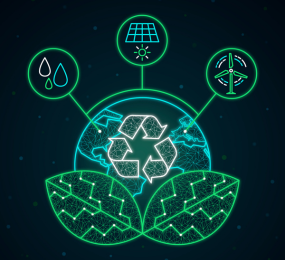
The transition to renewable energy is another major driver of progress. Companies are increasingly sourcing electricity from solar, wind, hydroelectric, and other renewable sources to power their facilities. Some manufacturers are investing directly in on-site renewable energy generation, while others are entering long-term power purchase agreements to secure clean electricity for their operations.
Electrification is helping transform many industrial processes. Equipment previously powered by fossil fuels is being replaced with electric alternatives that can operate using renewable energy. As clean electricity becomes more widely available, electrification offers a practical pathway to reducing industrial emissions.
For sectors where electrification is more challenging, alternative energy sources such as green hydrogen are gaining attention. Produced using renewable electricity, green hydrogen can serve as a low-carbon fuel and feedstock for industries such as steel, chemicals, and heavy manufacturing. It has the potential to significantly reduce emissions from processes that are difficult to decarbonise using conventional methods.
Supply chain management is also becoming a central component of net zero manufacturing strategies. Many manufacturers are assessing emissions beyond their own facilities, including those generated by suppliers, transportation networks, and product lifecycles. By working closely with suppliers and adopting sustainable procurement practices, businesses can reduce emissions throughout the value chain.
Digital technologies are accelerating the transition. Advanced analytics, artificial intelligence, industrial automation, and smart sensors are helping manufacturers monitor energy usage, improve production efficiency, and identify opportunities for emissions reduction. Real-time data allows businesses to make informed decisions that support both operational performance and sustainability goals.
Circular economy principles are further supporting net zero ambitions. Manufacturers are increasingly designing products for durability, repairability, and recyclability. Reducing waste, reusing materials, and increasing recycling rates help minimize resource consumption while lowering environmental impact.
Government policies and investor expectations are also driving change. Regulations aimed at reducing industrial emissions, combined with growing demand for sustainable products, are encouraging manufacturers to adopt cleaner technologies and more transparent reporting practices. Investors are increasingly evaluating environmental performance as part of their decision-making processes, making sustainability a strategic business priority.
While the journey to net zero manufacturing presents challenges, including technology costs, infrastructure requirements, and supply chain complexity, the opportunities are substantial. Companies that embrace sustainability can improve efficiency, strengthen resilience, attract investment, and enhance their competitive position in a rapidly evolving market.
Net zero manufacturing is not simply about reducing emissions. It is about rethinking how products are designed, produced, and delivered in a way that supports long-term economic success and environmental stewardship.
As industries continue to innovate and invest in cleaner solutions, net zero manufacturing is becoming a defining feature of the future industrial landscape, one where productivity and sustainability work hand in hand.
Takeaway Point:
Net zero manufacturing helps industries reduce emissions through energy efficiency, renewable energy adoption, clean technologies, and sustainable supply chain practices, creating a more resilient and environmentally responsible future.
Learn more on our website: https://www.leadventgrp.com/event/industrial-net-zero-and-decarbonisation-europe/register
For more information and group participation, contact us: [email protected]
Leadvent Group - Industry Leading Events for Business Leaders!
www.leadventgrp.com | [email protected]












Comment