

Non-Road Mobile Machinery (NRMM): Driving Cleaner Progress Off the Highway
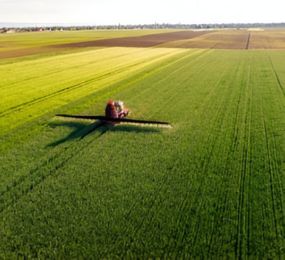
Non-Road Mobile Machinery (NRMM) is often the silent backbone of multiple industries construction, agriculture, mining, and logistics doing the heavy lifting behind the scenes. From excavators to harvesters, generators to cranes, these machines are essential to infrastructure and productivity. Yet for all their usefulness, they’ve also long been overlooked in conversations about environmental sustainability.
Now, that is changing.
The Environmental Challenge
Unlike road vehicles, NRMM has historically operated under less stringent emissions regulations. As a result, many of these machines rely on older diesel technologies, which emit high levels of nitrogen oxides (NOx), particulate matter, and carbon dioxide. In urban areas and industrial zones, the environmental impact can be significant contributing to poor air quality, health risks, and carbon footprints.
Governments and environmental agencies across Europe, North America, and increasingly in Africa and Asia, are now tightening regulations on NRMM emissions. New stages of emission standards are being rolled out, requiring manufacturers and operators to rethink how these machines are powered and used.
Innovation on the Ground
Manufacturers are responding with cleaner, smarter alternatives. Electrification of NRMM is no longer a future concept it’s happening now. From battery-powered mini-excavators to hybrid loaders, the push for low- and zero-emission equipment is gaining traction.
Alternative fuels, such as hydrogen and biodiesel, are also entering the space. And where full electrification isn’t yet practical particularly for heavy-duty or remote applications engine upgrades and retrofit kits are helping to reduce emissions from existing fleets.
At the same time, digital technologies like telematics and smart monitoring are making it easier to track machine efficiency and maintenance, reducing both downtime and environmental impact.
Why It Matters
The decarbonization of NRMM is not just a technical issue it’s a public health and climate priority. Construction sites near schools or hospitals, ports adjacent to residential areas, and mining operations in vulnerable ecosystems all highlight the need to reduce harmful emissions from machinery.
For businesses, adopting cleaner NRMM isn’t just about compliance. It’s also a reputational move and a competitive advantage in an era where sustainability is a deciding factor in contracts, partnerships, and investments.
Takeaway Point:
The transformation of Non-Road Mobile Machinery is underway and it’s long overdue. Cleaner engines, smarter systems, and stricter policies are helping the sector evolve into a more responsible, future-ready force. As industry players adapt, the result won’t just be quieter, cleaner machines but healthier cities, sustainable operations, and a stronger commitment to environmental stewardship. Learn more on our website: https://www.leadventgrp.com/event/2nd-annual-non-road-mobile-machinery-electrification-and-decarbonization-forum/register
For more information and group participation, contact us: [email protected]
Leadvent Group - Industry Leading Events for Business Leaders!
www.leadventgrp.com | [email protected]








Comment