

Non-Road Mobile Machinery (NRMM): Powering Progress, Managing Impact
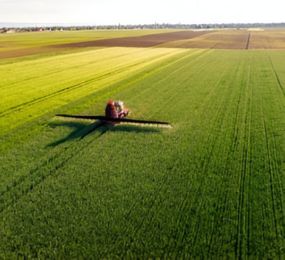
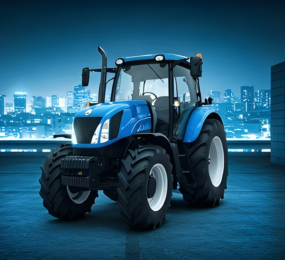
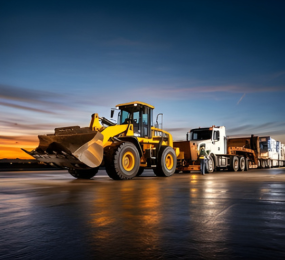
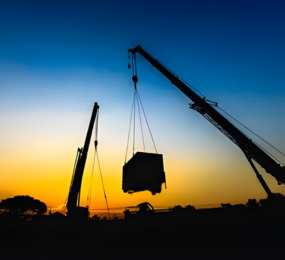
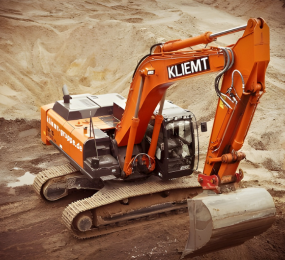
From bustling construction sites to expansive farmlands and ports, Non-Road Mobile Machinery (NRMM) is everywhere. These are the machines we often overlook excavators, bulldozers, tractors, mobile cranes, generators but they are the quiet workforce behind much of our infrastructure, agriculture, and industrial output.
Unlike cars or trucks, NRMM doesn’t run on public roads. But its environmental footprint is significant, and regulators and industries alike are now taking a closer look at how to reduce emissions, improve fuel efficiency, and keep this essential sector aligned with climate goals.
Why NRMM Matters
The NRMM category covers a broad range of equipment powered by internal combustion engines. These machines are vital in sectors like construction, mining, logistics, agriculture, and airport operations. Their importance lies not just in the work they do but in the sheer volume of them in use and the environmental cost they carry.
Traditionally, NRMM has flown under the radar of public environmental scrutiny. However, studies have shown that NRMM can contribute substantially to local air pollution, particularly in urban construction zones and near ports. They emit nitrogen oxides (NOx), particulate matter (PM), and other pollutants harmful to both human health and the environment.
Evolving Standards and Industry Response
To address these challenges, many governments especially in Europe and parts of Asia have introduced stringent emission regulations for NRMM, similar to the way road vehicles are regulated. Manufacturers are now developing cleaner engines, incorporating hybrid and electric technologies, and exploring renewable fuels like biodiesel and HVO (hydrotreated vegetable oil).
The industry is also investing in retrofitting older machines with emission-reducing technology. For construction firms and equipment operators, this shift isn’t just about compliance; it’s about staying competitive in a market that increasingly values environmental responsibility.
The Human and Climate Impact
Reducing emissions from NRMM is not just a technical matter it has real, human consequences. Workers operating these machines, people living near construction
zones, and even crops in agricultural fields are all affected by exhaust and noise pollution. Cleaner NRMM means safer air, healthier communities, and better working environments.
Moreover, as global supply chains push toward decarbonization, clients and investors are beginning to demand proof of environmental performance across the value chain including the equipment used.
Takeaway Point: Non-Road Mobile Machinery may be out of sight, but it shouldn't be out of mind. Its modernization is essential to improving air quality, meeting emissions targets, and ensuring that industries like construction and agriculture can grow sustainably. Cleaner NRMM is no longer an option it’s an expectation.
Learn more on our website: https://www.leadventgrp.com/event/2nd-annual-non-road-mobile-machinery-electrification-and-decarbonization-forum/register
For more information and group participation, contact us: [email protected]
Leadvent Group - Industry Leading Events for Business Leaders!
www.leadventgrp.com | [email protected]





Comment