

Port and Supply Chain Readiness for Floating Wind
Floating wind is rapidly emerging as one of the most promising sectors in renewable energy. By enabling offshore wind turbines to operate in deep-water locations, floating wind unlocks access to stronger and more consistent wind resources that are beyond the reach of conventional fixed-bottom foundations. As governments and developers increase investment in commercial-scale projects, attention is shifting beyond turbine technology to a critical factor that will determine the industry's success: port and supply chain readiness.
While floating wind technology continues to mature, large-scale deployment depends on the availability of suitable infrastructure, manufacturing capacity, logistics networks, and skilled workforces. Without a robust supply chain and modern port facilities, even the most ambitious floating wind targets may prove difficult to achieve.
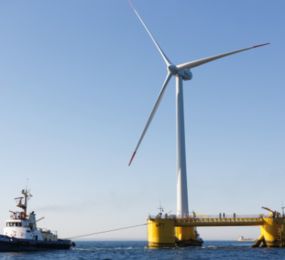
Ports play a central role throughout the lifecycle of a floating wind project. Unlike traditional offshore wind developments, floating turbines are often assembled onshore before being towed to their offshore locations. This process requires extensive port space, deep-water access, heavy-lift capabilities, and large assembly areas capable of accommodating some of the largest structures in the renewable energy sector.
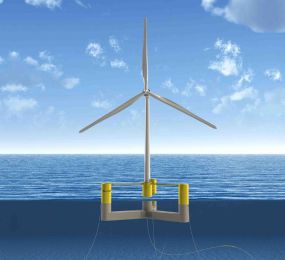
Floating foundations can weigh thousands of tons and support turbines exceeding 15 MW in capacity. Handling these components requires specialized infrastructure that many existing ports were not originally designed to provide. As a result, significant investment is being directed toward upgrading port facilities to meet future industry demands.
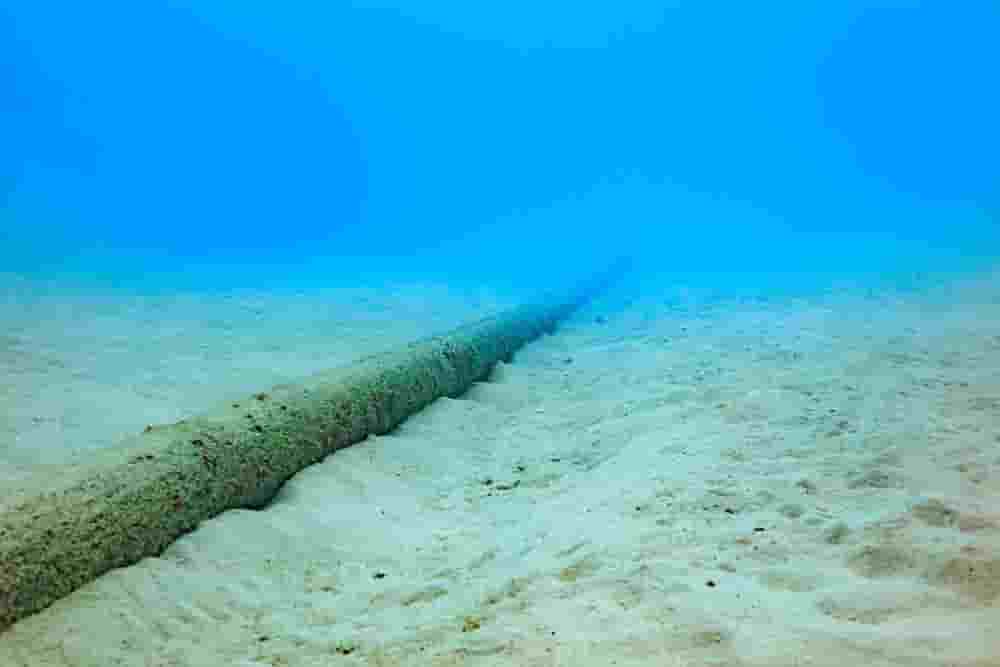
One of the most important requirements is sufficient quayside strength and storage capacity. Floating wind projects involve the movement and assembly of large components, including towers, blades, nacelles, mooring systems, anchors, and dynamic cables. Ports must be capable of storing and managing these components efficiently while supporting large-scale assembly operations.
Deep-water access is another critical factor. Many floating foundations are assembled and launched directly from port facilities before being towed offshore. Ports with restricted water depths may struggle to accommodate larger floating structures, making dredging and infrastructure improvements necessary in some locations.
Beyond physical infrastructure, supply chain readiness is becoming increasingly important. Floating wind projects require a broad network of suppliers capable of delivering specialized equipment and services. This includes manufacturers of
floating platforms, turbine components, mooring systems, anchors, subsea cables, electrical systems, installation vessels, and maintenance equipment.
Developing a reliable supply chain helps reduce project risks, improve scheduling certainty, and lower overall costs. Local and regional supply chain development is particularly important because transporting large offshore wind components over long distances can significantly increase expenses and logistical complexity.
Workforce readiness is another key consideration. Floating wind deployment requires skilled engineers, project managers, marine specialists, electricians, fabrication experts, vessel operators, and maintenance personnel. Training programs and industry partnerships are increasingly being established to address future workforce demands and ensure the availability of qualified professionals.
The availability of suitable installation and support vessels also influences project delivery. Floating wind projects rely on towing vessels, anchor-handling ships, cable-laying vessels, and maintenance fleets capable of operating in offshore environments. Expanding vessel capacity will be essential as project pipelines continue to grow.
Supply chain collaboration is becoming a major industry focus. Developers, governments, port authorities, manufacturers, and investors are working together to identify bottlenecks and coordinate infrastructure investments. Early planning helps ensure that ports and suppliers are prepared to support commercial-scale deployment rather than reacting to demand after projects have already been approved.
Investment in port infrastructure can also deliver broader economic benefits. Floating wind development creates opportunities for job creation, regional industrial growth, manufacturing expansion, and long-term economic activity. Many coastal regions view floating wind as a catalyst for revitalizing maritime industries while supporting national energy transition goals.
Despite strong momentum, challenges remain. Supply chain capacity is still developing, infrastructure investments require substantial capital, and competition for resources is increasing as multiple countries pursue floating wind ambitions simultaneously. Addressing these challenges will require coordinated action across the public and private sectors.
As floating wind moves from pilot projects to commercial deployment, port and supply chain readiness will become a defining factor in industry success. Strong infrastructure, skilled workforces, and resilient supply networks will help reduce costs, accelerate project delivery, and support the large-scale expansion of offshore renewable energy.
The future of floating wind depends not only on innovation at sea but also on the strength of the industrial ecosystem that supports it onshore.
Takeaway Point:
Port infrastructure and supply chain readiness are essential for scaling floating wind, enabling efficient turbine assembly, transportation, installation, and long-term operations while supporting industry growth and cost reduction. Learn more on our website: https://www.leadventgrp.com/event/6th-annual-floating-wind-europe/register
For more information and group participation, contact us: [email protected]
Leadvent Group - Industry Leading Events for Business Leaders!
www.leadventgrp.com | [email protected]








Comment