

Power-to-Liquid Fuel: Advancing Sustainable Energy for Aviation and Industry
As governments and industries intensify efforts to reduce greenhouse gas emissions, attention is increasingly turning to fuels that can support decarbonization in sectors where direct electrification remains difficult. Aviation, maritime transport, and certain industrial processes require energy-dense fuels that batteries alone cannot currently provide at scale. This is where Power-to-Liquid (PtL) fuels are emerging as a promising solution.
Power-to-Liquid refers to a process that converts renewable electricity into synthetic liquid fuels. By combining renewable power, water, and captured carbon dioxide, PtL technology creates fuels that can be used in existing engines, transport infrastructure, and industrial applications while significantly reducing lifecycle emissions compared to conventional fossil fuels.
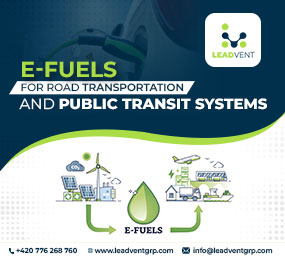
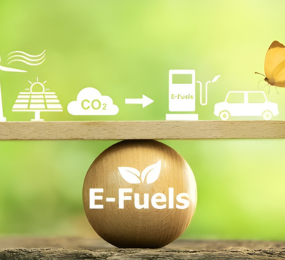
The process begins with renewable electricity generated from sources such as solar, wind, or hydropower. This electricity powers an electrolyzer, which splits water into hydrogen and oxygen. The resulting green hydrogen serves as a key building block for synthetic fuel production.
The next step involves sourcing carbon dioxide, typically from industrial emissions, biogenic sources, or direct air capture technologies. The captured carbon dioxide is then combined with green hydrogen through chemical synthesis processes to create synthetic hydrocarbons. These hydrocarbons can be refined into liquid fuels such as e-kerosene, e-diesel, and e-methanol.
One of the most important advantages of PtL fuels is their compatibility with existing infrastructure. Unlike some alternative energy solutions that require entirely new transport and storage systems, synthetic fuels can often be blended with conventional fuels and used in current engines, pipelines, and fuel distribution networks. This makes them particularly attractive for sectors facing complex decarbonisation challenges.
The aviation industry is expected to become one of the largest consumers of Power-to-Liquid fuels. Airlines are under growing pressure to reduce carbon emissions while maintaining operational performance and safety standards. E-kerosene, a synthetic aviation fuel produced through PtL pathways, offers a potential route to lower emissions without requiring major modifications to existing aircraft fleets.
The maritime sector is also exploring PtL solutions. Synthetic fuels such as e-methanol are gaining attention as alternatives to traditional marine fuels. These fuels
can help shipping companies meet tightening emissions regulations while supporting broader sustainability goals.
Beyond transport, PtL fuels have applications in industrial operations that require liquid fuels for high-temperature processes or specialized equipment. They can also support energy storage by converting surplus renewable electricity into transportable fuels that can be stored and used when needed.
A major benefit of Power-to-Liquid technology is its contribution to the circular carbon economy. Rather than extracting new fossil carbon from the ground, PtL systems recycle carbon dioxide already present in the atmosphere or industrial processes. When powered by renewable electricity, this approach can significantly reduce overall greenhouse gas emissions.
Despite its potential, the technology faces several challenges. Production costs remain higher than those of conventional fossil fuels due to the energy-intensive nature of electrolysis and fuel synthesis. Large-scale deployment also requires significant renewable energy capacity, carbon capture infrastructure, and investment in production facilities.
However, market conditions are evolving rapidly. Governments are introducing policies, mandates, and incentives designed to support low-carbon fuel development. Sustainable aviation fuel requirements, carbon pricing mechanisms, and industrial decarbonisation programs are helping create demand for synthetic fuels and encourage investment.
Technological advancements are also improving efficiency and reducing costs. Larger electrolyzers, improved carbon capture systems, and expanded renewable energy deployment are expected to enhance the economic viability of PtL fuels over the coming decade.
As industries pursue net-zero targets, Power-to-Liquid technology is increasingly viewed as a critical component of the future energy landscape. While it is unlikely to replace all conventional fuels, it offers a practical solution for sectors where electrification alone cannot deliver the required energy density and operational flexibility.
The transition to a low-carbon economy will require multiple technologies working together. Power-to-Liquid fuels represent one of the most promising pathways for reducing emissions in hard-to-abate sectors while leveraging existing infrastructure and supporting long-term energy resilience.
Takeaway Point:
Power-to-Liquid fuels use renewable electricity, green hydrogen, and captured carbon dioxide to produce low-carbon synthetic fuels that can help decarbonize aviation, shipping, and industrial sectors that are difficult to electrify. Learn more on our website: https://www.leadventgrp.com/event/3rd-annual-world-e-fuels-summit/register
For more information and group participation, contact us: [email protected]
Leadvent Group - Industry Leading Events for Business Leaders!
www.leadventgrp.com | [email protected]












Comment