

Power Behind the Scenes: Understanding Non-Road Mobile Machinery
When most people think of machinery, what comes to mind are trucks on highways or cars in traffic. But behind the scenes of our cities, farms, and industrial sites, there's a different class of equipment doing the heavy lifting Non-Road Mobile Machinery (NRMM).
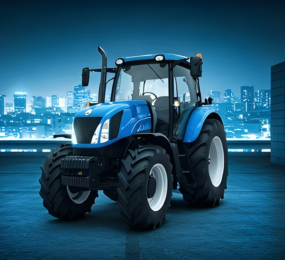
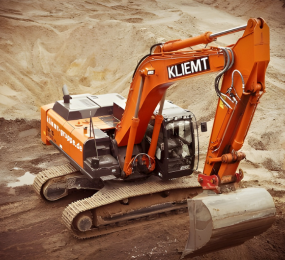
This term might sound technical, but NRMM refers to the backbone of many critical operations: tractors ploughing farmland, excavators digging foundations, forklifts loading goods, and generators supplying backup power. Unlike road vehicles, these machines aren’t meant for public highways, yet they are just as vital to everyday life.
What Exactly Is NRMM?
Non-Road Mobile Machinery includes self-propelled, portable, or stationary machines not intended for road use. Common types include:
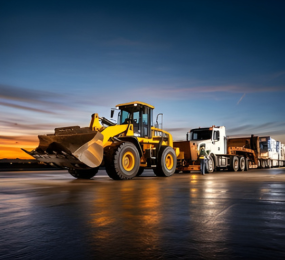
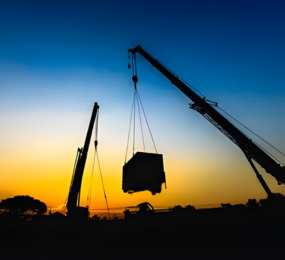
1. Construction equipment (e.g., bulldozers, cranes)
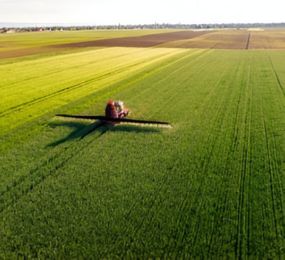
2. Agricultural machinery (e.g., harvesters, ploughs)
3. Industrial tools (e.g., compressors, generators)
4. Material-handling machines (e.g., forklifts)
These machines often operate in challenging environments, run for long hours, and perform high-torque tasks. Their engines tend to be robust and durable, but traditionally have been powered by diesel resulting in higher levels of emissions compared to newer vehicle engines that fall under stricter regulations.
Why NRMM Matters
NRMM might not be part of the public transport conversation, but it contributes significantly to air pollution, especially in urban and industrial areas. In fact, in some cities, emissions from NRMM can rival those from on-road vehicles.
As environmental standards tighten and businesses aim for more sustainable practices, attention is turning to this silent contributor. From governments implementing stricter emission regulations, to companies investing in cleaner alternatives, the NRMM sector is finally getting the spotlight it deserves.
Innovation and Modernization
Manufacturers are responding by developing more efficient, lower-emission engines and integrating electric and hybrid options. Compact electric excavators are gaining
popularity on urban job sites due to their reduced noise and air pollution. Battery-powered and hybrid tractors are also being trialed in agriculture.
Telematics and smart diagnostics are helping fleet operators monitor usage, schedule maintenance, and reduce idle time all of which contribute to both cost savings and emission reductions.
Additionally, policies like the EU’s Stage V emission standards are pushing the industry to adopt cleaner technology, spurring innovation across the board.
Looking Ahead
The modernization of NRMM isn’t just about compliance it’s about building a smarter, cleaner, and more efficient future. As supply chains grow more complex and cities more crowded, using equipment that is both powerful and environmentally responsible is no longer optional it’s essential.
Takeaway Point: Non-road mobile machinery may work behind the scenes, but its impact on the environment and industry is front and center. Embracing cleaner, smarter technologies in this space is a critical step toward building sustainable and resilient operations across agriculture, construction, and logistics.
Learn more on our website: https://www.leadventgrp.com/event/2nd-annual-non-road-mobile-machinery-electrification-and-decarbonization-forum/register
For more information and group participation, contact us: [email protected]
Leadvent Group - Industry Leading Events for Business Leaders!
www.leadventgrp.com | [email protected]






Comment