

Powering the Future: Submarine Cables as Enablers of Offshore Renewable Energy
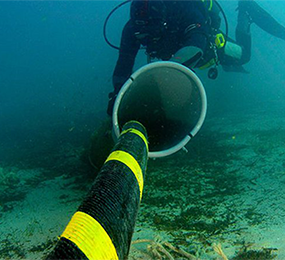
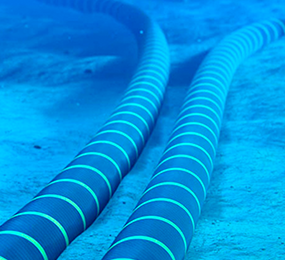
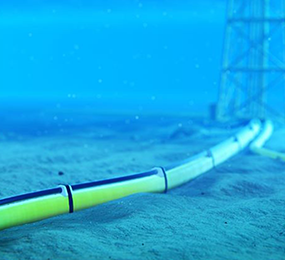
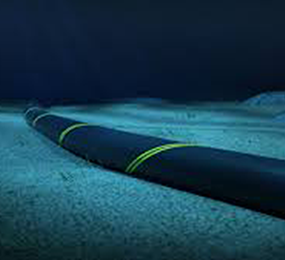
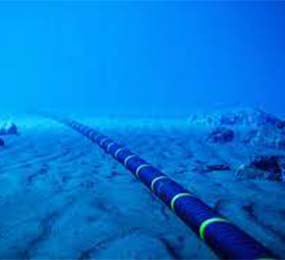
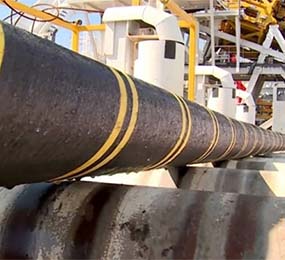
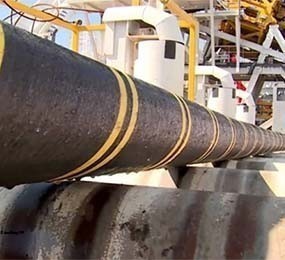
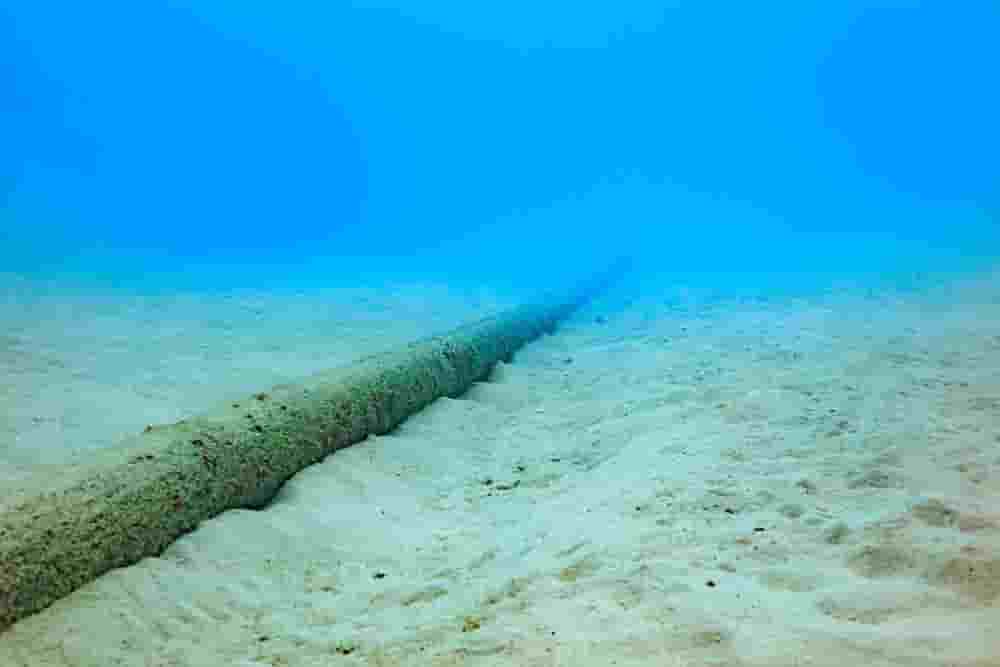
The global shift toward a carbon-neutral future relies heavily on the untapped potential of offshore renewable energy. While massive wind farms and tidal arrays capture the headlines, the invisible backbone of this transition lies beneath the ocean’s surface: submarine power cables. These high-tech conduits are far more than just "extension cords" for the sea; they are the fundamental enablers of large-scale renewable integration.
The Connectivity Challenge
Offshore wind farms are increasingly being built further from the shore to harness stronger, more consistent winds. This distance presents a significant engineering challenge. Standard alternating current (AC) cables suffer from high transmission losses over long distances. To solve this, the industry has turned to High Voltage Direct Current (HVDC) submarine cables. These systems allow for the efficient transport of gigawatts of power across hundreds of kilometers with minimal energy loss, ensuring that the clean electricity generated at sea actually reaches the terrestrial grid.
Ensuring Grid Stability
Submarine cables also facilitate "interconnectors" between different nations. By linking the energy grids of various countries, subsea cables help balance the inherent intermittency of renewable sources. For instance, when the North Sea is calm but the Atlantic is stormy, interconnected subsea networks can shift power to where it is needed most. This cross-border integration transforms isolated offshore pockets into a cohesive, resilient "European Supergrid," reducing the need for fossil-fuel-based backup plants.
Technological Evolution
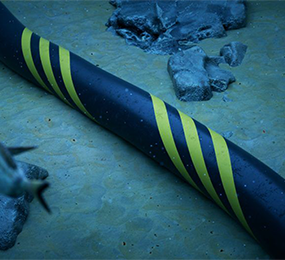
Modern submarine cables are marvels of material science, designed to withstand extreme hydrostatic pressure, corrosive salt water, and shifting seabed morphology for over 40 years. Incorporating fiber optics within the power cable structure allows for real-time monitoring of cable health and environmental data, further optimizing the performance of offshore assets. As floating wind technology moves into deeper waters, the development of dynamic subsea cables will be the final piece of the puzzle, unlocking deep-water energy zones previously considered unreachable.
Visit our website to know more: https://www.leadventgrp.com/events/6th-annual-submarine-power-cable-and-interconnection-forum/details
For more information and group participation, contact us: [email protected]
Leadvent Group - Industry Leading Events for Business Leaders!
www.leadventgrp.com| [email protected]



Comment