

Revolutionizing Agriculture and Renewable Energy Together
As the world faces the dual challenge of meeting growing food demand while accelerating the transition to clean energy, innovative land-use solutions are becoming increasingly important. Agrivoltaics is one such solution, enabling agriculture and solar power generation to coexist on the same land. By integrating photovoltaic (PV) panels with farming activities, agrivoltaics helps maximize land productivity while supporting climate resilience and sustainable development.
Rather than competing for valuable farmland, agrivoltaic systems allow crops, livestock, and renewable energy infrastructure to work together. This dual-use approach is gaining attention from governments, farmers, researchers, and renewable energy developers as a practical way to address energy security, food production, and environmental sustainability.
What Is Agrivoltaics?
Agrivoltaics, also known as agri-PV or dual-use solar farming, is the practice of installing solar photovoltaic panels above or alongside active agricultural land. Unlike conventional solar farms that dedicate land solely to electricity generation, agrivoltaic systems are designed so farming activities can continue beneath or between the solar panels.
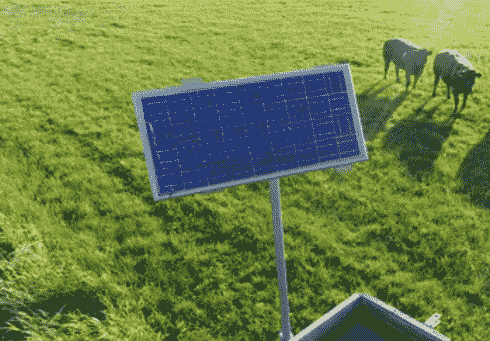
The panels are often mounted on elevated structures or spaced strategically to ensure crops receive sufficient sunlight while allowing farm machinery and livestock to move freely. Depending on the location and agricultural needs, agrivoltaics can support arable farming, orchards, vineyards, vegetable production, livestock grazing, and pollinator habitats.
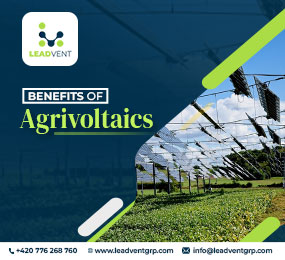
Benefits of Agrivoltaics
Maximising Land Productivity
One of the greatest advantages of agrivoltaics is its ability to produce food and renewable energy simultaneously. By using the same area of land for two purposes, farmers can increase overall productivity without expanding into additional farmland.
Supporting Crop Growth
Many crops benefit from partial shading provided by solar panels. The shade helps reduce heat stress, lowers soil temperatures, and decreases water evaporation, creating a more stable growing environment. Crops such as leafy vegetables, berries, herbs, and certain fruits often perform well under carefully designed agrivoltaic systems.
Improving Water Efficiency
Water scarcity is becoming a growing concern in many agricultural regions. Agrivoltaic systems help conserve moisture by reducing direct sunlight on the soil, lowering irrigation requirements and improving water-use efficiency—particularly during hot and dry seasons.
Diversifying Farm Income
In addition to crop production, farmers can generate revenue from the electricity produced by solar panels. This additional income helps reduce financial risks associated with fluctuating crop prices and unpredictable weather, making farming operations more resilient.
Environmental and Economic Benefits
Agrivoltaics contributes to lower greenhouse gas emissions by generating clean electricity that replaces fossil fuel-based power. It also supports biodiversity by creating habitats for pollinators and reducing pressure to convert natural landscapes into energy production sites.
From an economic perspective, agrivoltaic projects create opportunities for rural investment, job creation, and local economic development. They also encourage collaboration between the agricultural and renewable energy sectors, fostering innovation and long-term sustainability.
Challenges to Wider Adoption
Although agrivoltaics offers significant benefits, successful projects require careful planning. Factors such as crop type, solar panel height, spacing, orientation, and local climate all influence agricultural productivity and energy generation.
Initial installation costs can be higher than those of traditional solar farms due to specialised support structures and engineering requirements. However, long-term returns from electricity generation and agricultural production often outweigh the upfront investment.
Supportive government policies, financing programmes, and continued research will be essential for accelerating adoption and reducing costs.
The Future of Agrivoltaics
As countries pursue net-zero emissions and strengthen food security, agrivoltaics is expected to play an increasingly important role in sustainable land management. Advances in solar technology, precision agriculture, smart irrigation, and digital monitoring systems are making agrivoltaic projects more efficient and commercially attractive.
Growing investment across Europe, North America, Asia, and Africa demonstrates increasing confidence in this innovative approach. As more successful projects are developed, agrivoltaics is likely to become a mainstream solution for producing both renewable energy and food.
Conclusion
Agrivoltaics offers a practical way to address two of the world's most pressing challenges—clean energy generation and sustainable agriculture. By integrating solar power with farming, it improves land-use efficiency, strengthens farm resilience, conserves natural resources, and contributes to climate action.
As technology continues to advance and adoption increases, agrivoltaics will play a vital role in creating a more sustainable, productive, and resilient future for agriculture and renewable energy.
Takeaway Point
Agrivoltaics combines solar energy generation with active farming, allowing land to produce both food and clean electricity. This innovative approach improves land productivity, conserves water, diversifies farm income, reduces carbon emissions, and supports the transition to a more sustainable and climate-resilient future.
Learn more on our website: For more information and group participation, contact us: [email protected]
Leadvent Group - Industry Leading Events for Business Leaders!








Comment