

Shaping the Future of Renewable Energy with Advanced Wind Blades
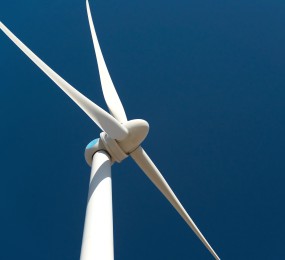
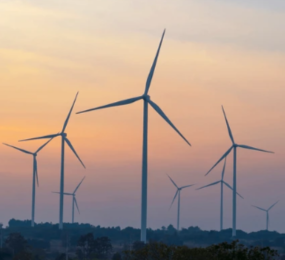
When people think about wind energy, the towering turbines spinning gracefully against the sky are often the first image that comes to mind. At the heart of these turbines lies a crucial component: the wind blade. These massive structures are more than just blades they are the engines that capture nature’s energy and convert it into electricity. As the demand for renewable energy grows, the design and innovation of wind blades are shaping the future of sustainable power.
The Role of Wind Blades in Energy Generation
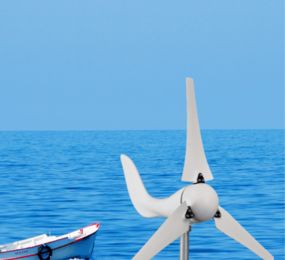
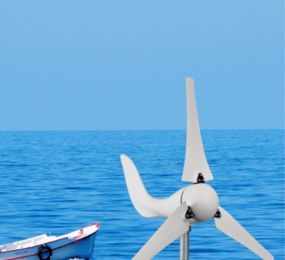
Wind blades are designed to harness the kinetic energy of moving air and convert it into mechanical power, which is then turned into electricity. Their size, shape, and materials directly influence how much energy a turbine can produce. Longer blades capture more wind and generate greater output, while aerodynamic designs help maximize efficiency even in areas with lower wind speeds.
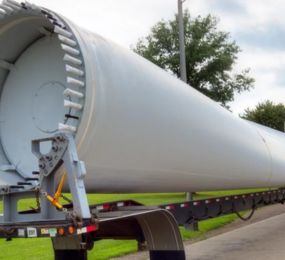
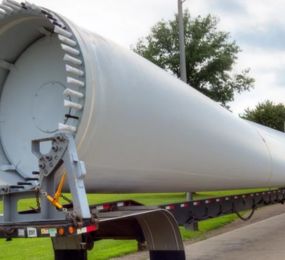
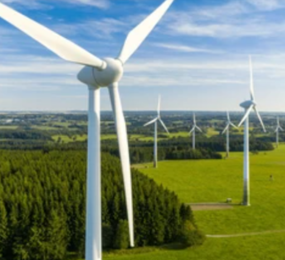
In today’s wind farms, blade lengths can exceed 100 meters, with some of the largest reaching nearly the height of skyscrapers. This evolution highlights how critical blade innovation is to scaling wind energy globally.
Innovations in Design and Materials
The development of wind blades has come a long way from simple fiberglass models. Today, manufacturers are using advanced composite materials like carbon fiber and epoxy resins to reduce weight while maintaining strength. These materials improve durability, allowing blades to withstand extreme weather conditions and operate for decades.
In addition, digital tools such as computational fluid dynamics (CFD) and 3D modeling allow engineers to fine-tune blade shapes for optimal aerodynamics. These innovations ensure that turbines capture the maximum amount of energy, even in complex environments like offshore wind farms.
Sustainability Challenges and Recycling Solutions
As wind energy scales up, the question of sustainability in blade production and disposal becomes more pressing. Wind blades are designed to last around 20 to 25 years, but recycling them has historically been a challenge due to their composite materials.
However, new breakthroughs are offering hope. Some companies are developing recyclable blade technologies, where materials can be repurposed into new blades or
used in industries like construction. This circular approach aligns with the broader goals of renewable energy: reducing waste and minimizing environmental impact.
The Future of Wind Blades
Looking ahead, the industry is exploring even larger and more efficient blade designs to capture more energy offshore, where winds are stronger and more consistent. Floating wind farms, in particular, rely on blades built to perform in harsh marine environments, pushing the limits of current engineering.
At the same time, smart sensors and digital monitoring systems embedded in blades are helping operators track performance and detect wear in real time. This not only improves efficiency but also reduces maintenance costs.
Takeaway Point: Wind blades are the driving force behind wind energy’s success. With advances in design, materials, and sustainability, they are helping make renewable energy more efficient, affordable, and environmentally responsible, paving the way toward a cleaner global energy future.
Learn more on our website: https://www.leadventgrp.com/event/3rd-annual-wind-blade-materials-and-recycling-forum/register
For more information and group participation, contact us: [email protected]
Leadvent Group - Industry Leading Events for Business Leaders!
www.leadventgrp.com | [email protected]







Comment