

Shaping the Future of Wind Power: The Story Behind the Blades
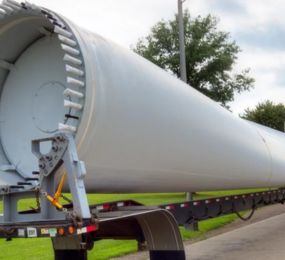
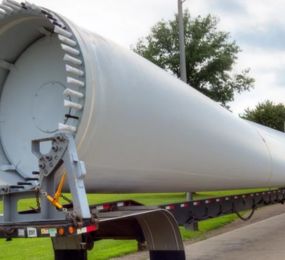
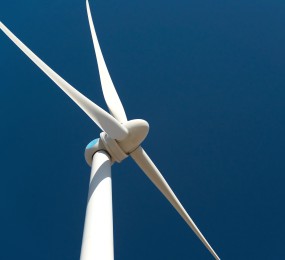
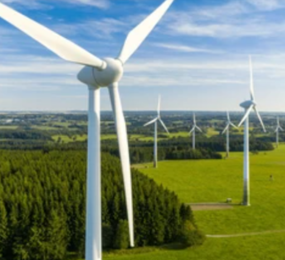
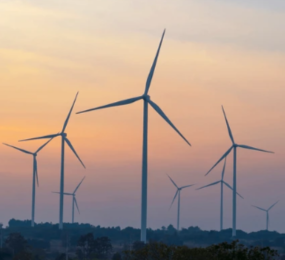
Wind energy has become a cornerstone of the global clean energy transition. Yet, beneath its graceful turbines lies one of the industry’s most pressing challenges the sustainability of wind turbine blades. Built for endurance and strength, these massive structures are designed to withstand decades of harsh conditions. But when their lifecycle ends, what happens next is becoming a crucial conversation for the future of green technology.
Wind turbine blades are primarily made of composite materials a combination of fiberglass, carbon fiber, and resins engineered for durability, lightness, and performance. These composites make them resilient against the elements but also difficult to recycle. As wind farms around the world approach repowering stages, thousands of retired blades are now being decommissioned, highlighting an urgent need for sustainable disposal and recycling solutions.
Innovation in Blade Materials
In response, researchers and manufacturers are rethinking how blades are designed and built. The industry is witnessing a shift toward more sustainable materials, including thermoplastic resins and recyclable composites. These innovations aim to make blades easier to break down and reuse at the end of their operational life without compromising performance.
Carbon fiber, while more expensive, is gaining attention for its strength-to-weight ratio and potential for reduced material usage. Some companies are even exploring natural fibers such as flax and hemp as part of hybrid composites offering an environmentally friendly alternative that aligns with circular economy principles.
At the same time, advanced manufacturing technologies like 3D printing and modular blade designs are beginning to streamline production, reduce waste, and extend turbine lifespans. These developments not only enhance efficiency but also open new pathways for large-scale recyclability.
Recycling: Turning Waste into Opportunity
Blade recycling is emerging as a vital part of the renewable energy conversation. Traditional disposal methods, such as landfilling, are increasingly being replaced by innovative recycling techniques from mechanical grinding and chemical separation to thermal recovery processes that reclaim usable fibers.
Leading energy companies and researchers are collaborating to develop closed-loop systems, where materials from old blades can be repurposed into new components, infrastructure materials, or even consumer products. For instance, decommissioned blades have been transformed into pedestrian bridges, furniture, and construction panels, proving that sustainability can also spark creativity.
Takeaway:
The future of wind energy depends not just on how much power turbines can generate, but on how responsibly their materials are managed throughout their lifecycle.
The global effort to develop recyclable, sustainable, and circular solutions for wind turbine blades reflects a broader truth: innovation and environmental responsibility must work hand in hand.
As the industry continues to evolve, these advancements mark a pivotal step toward ensuring that wind power remains not only renewable but truly sustainable where every blade tells a story of ingenuity, responsibility, and progress.
Learn more on our website: https://www.leadventgrp.com/event/3rd-annual-wind-blade-materials-and-recycling-forum/register
For more information and group participation, contact us: [email protected]
Leadvent Group - Industry Leading Events for Business Leaders!
www.leadventgrp.com | [email protected]










Comment