

Solar PV: A Cornerstone of the Global Energy Transition
Solar photovoltaic (PV) technology has moved from the margins of the energy conversation to its very center. What was once viewed as an alternative solution is now a mainstream source of electricity, powering homes, businesses, and entire communities. Solar PV’s growth reflects a broader shift toward cleaner, more reliable, and more accessible energy systems worldwide.
At its core, solar PV converts sunlight directly into electricity using semiconductor materials. This simple principle has proven remarkably powerful. Advances in manufacturing, design, and installation have dramatically reduced costs over the past decade, making solar energy one of the most affordable sources of electricity in many regions. As a result, solar PV is no longer driven solely by environmental concerns—it is increasingly chosen for its economic advantages.
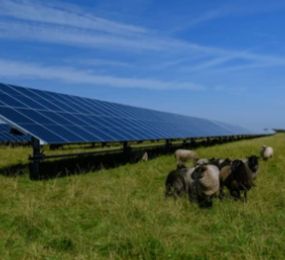
One of the most compelling aspects of solar PV is its flexibility. Systems can be deployed at many scales, from rooftop installations on individual homes to utility-scale solar farms feeding national grids. This adaptability allows solar PV to support both centralized and decentralized energy models, giving communities greater control over how they produce and consume power.
Solar PV also plays a critical role in energy security. By relying on an abundant and locally available resource, countries can reduce dependence on imported fuels and protect themselves from volatile energy markets. In regions with limited grid access, solar PV offers a practical solution for electrification, supporting social development and economic growth.
Technological progress continues to push the sector forward. Improvements in panel efficiency, energy storage integration, and digital monitoring systems are enhancing performance and reliability. Paired with battery storage, solar PV can now provide power beyond daylight hours, helping stabilize grids and meet peak demand. These advancements are transforming solar from a daytime-only solution into a dependable energy source.
Environmental benefits remain central to solar PV’s appeal. Solar generation produces electricity without air pollution or greenhouse gas emissions during operation. Over its lifetime, a solar PV system offsets significantly more carbon than is used in its manufacturing, making it a strong contributor to global climate goals.
Despite its success, challenges remain. Grid integration, permitting processes, and supply chain sustainability require continued attention. Addressing these issues through policy support, innovation, and collaboration will ensure solar PV continues to scale responsibly.
As the energy transition accelerates, solar PV stands as a proven, adaptable, and future-ready technology. Its ability to deliver clean power at scale makes it a vital component of a balanced and resilient energy mix.
Takeaway Point
Solar PV combines affordability, flexibility, and environmental benefits, making it one of the most powerful tools available for building a cleaner, more secure, and more resilient energy future. Learn more on our website: https://www.leadventgrp.com/event/6th-annual-floating-solar-pv-forum/register For more information and group participation, contact us: [email protected] .
Leadvent Group - Industry Leading Events for Business Leaders!
www.leadventgrp.com | [email protected]








Comment