

Steel Decarbonization: Transforming a Critical Industry for a Low-Carbon Future
Steel is one of the world's most important industrial materials. It forms the backbone of modern infrastructure, transportation, construction, manufacturing, and energy systems. From bridges and buildings to vehicles and wind turbines, steel plays a crucial role in economic development. However, steel production is also one of the largest industrial sources of carbon emissions, making decarbonization a priority in the global transition toward a more sustainable economy.
The steel industry accounts for approximately 7% to 9% of global carbon dioxide emissions. Traditional steelmaking relies heavily on coal-based blast furnaces, which use coking coal to convert iron ore into iron before it is processed into steel. While this method has supported industrial growth for decades, it also generates significant greenhouse gas emissions.
As governments, investors, and industries strengthen climate commitments, steel producers are exploring innovative ways to reduce their environmental impact while maintaining production capacity. Steel decarbonization is now viewed as a critical component of achieving global net-zero goals.
One of the most promising pathways to cleaner steel production is the use of green hydrogen. Unlike conventional blast furnace processes that depend on coal, hydrogen-based direct reduction technology uses hydrogen to remove oxygen from iron ore, producing water vapor instead of carbon dioxide. When the hydrogen is generated using renewable energy, the process can significantly reduce emissions associated with steel manufacturing.
Electric Arc Furnaces (EAFs) are also playing an increasingly important role in decarbonization efforts. These furnaces use electricity to melt recycled steel scrap, reducing the need for carbon-intensive primary steel production. As renewable energy becomes more widely available, EAF technology offers an effective way to lower emissions while supporting circular economy principles.
Energy efficiency remains another essential strategy. Steel manufacturers are investing in advanced production technologies, waste heat recovery systems, and digital monitoring tools that optimize energy consumption throughout the manufacturing process. Even modest efficiency improvements can result in substantial emissions reductions across large-scale operations.
Carbon Capture, Utilization, and Storage (CCUS) technologies are gaining attention as a complementary solution. These systems capture carbon dioxide emissions from industrial processes before they enter the atmosphere. The captured carbon can either be stored safely underground or reused in industrial applications, helping reduce the environmental footprint of existing steel plants.
The growing demand for green steel is also accelerating industry transformation. Construction companies, automotive manufacturers, and infrastructure developers are increasingly seeking low-carbon materials to meet sustainability targets and regulatory requirements. This shift is creating new market opportunities for steel producers investing in cleaner production methods.
Governments worldwide are supporting steel decarbonization through policy frameworks, emissions regulations, research funding, and clean energy incentives. Public-private partnerships are helping accelerate innovation while reducing the financial risks associated with large-scale industrial transformation.
Despite significant progress, challenges remain. Producing green hydrogen at scale requires substantial renewable energy capacity, while upgrading existing steel plants demands major capital investment. Infrastructure development, energy availability, and technology costs continue to influence the pace of adoption.
For developing economies, balancing industrial growth with climate objectives presents additional complexity. However, international collaboration and climate financing mechanisms are helping support sustainable industrial development across emerging markets.
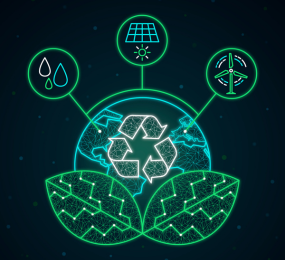
The future of steel production will likely involve a combination of technologies rather than a single solution. Green hydrogen, electrification, carbon capture, recycling, and energy efficiency improvements will all play important roles in reducing emissions while meeting global demand for steel.
Steel decarbonization is more than an environmental initiative, it is an opportunity to modernize one of the world's most important industries. By embracing innovation and sustainable practices, the steel sector can continue supporting economic growth while contributing to a cleaner and more resilient future.
Takeaway Point:
Steel decarbonization is transforming one of the world's highest-emitting industries through green hydrogen, cleaner technologies, and sustainable production methods that support both industrial growth and climate goals.
Learn more on our website: https://www.leadventgrp.com/event/industrial-net-zero-and-decarbonisation-europe/register
For more information and group participation, contact us: [email protected]
Leadvent Group - Industry Leading Events for Business Leaders!
www.leadventgrp.com | [email protected]










Comment