

Supply Chain and Risk Management
In an increasingly interconnected world, businesses rely on efficient supply chains to deliver products and services on time. However, global events such as geopolitical conflicts, extreme weather, cyberattacks, transportation disruptions, and economic uncertainty have highlighted the importance of effective supply chain and risk management. Organizations that proactively identify and manage risks are better positioned to maintain business continuity and remain competitive.
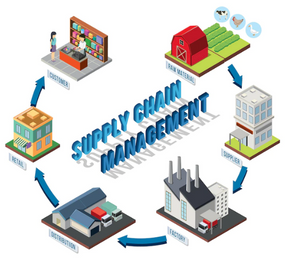
Supply chain and risk management involves identifying potential threats across the entire value chain 2from sourcing raw materials and supplier relationships to manufacturing, logistics, warehousing, and product delivery. By understanding these risks, businesses can develop strategies to minimize disruptions and respond more effectively to unexpected events.
Technology is playing a major role in strengthening supply chain resilience. Artificial intelligence (AI), predictive analytics, cloud computing, Internet of Things (IoT) devices, and digital supply chain platforms provide real-time visibility into operations. These technologies help organizations forecast demand, monitor supplier performance, optimize inventory levels, and identify potential risks before they affect production or customer service.
Supplier diversification is another key strategy. Relying on a single supplier or region can increase vulnerability during disruptions. By building a diversified supplier network and maintaining strong relationships with strategic partners, organizations can improve flexibility and reduce the impact of supply shortages.
Sustainability is also becoming an essential part of supply chain management. Companies are increasingly adopting responsible sourcing, ethical procurement, carbon reduction initiatives, and circular economy practices to meet regulatory requirements, improve ESG performance, and strengthen long-term resilience.
Risk management also requires continuous planning and collaboration. Regular risk assessments, contingency planning, scenario analysis, and clear communication across the supply chain help organizations prepare for disruptions and recover more quickly when challenges arise.
As supply chains become more complex, businesses that invest in resilience, digital innovation, and strategic partnerships will be better equipped to navigate uncertainty while delivering value to customers and stakeholders.
Takeaway Point
Effective supply chain and risk management enables organizations to identify potential disruptions, improve operational resilience, and strengthen long-term business performance. By combining technology, strategic planning, supplier collaboration, and sustainable practices, businesses can build agile supply chains that are prepared for future challenges.
Visit our website to know more: https://www.leadventgrp.com/events/supplychain-sustainability-and-decarbonization-forum/details
For more information and group participation, contact us: [email protected]
Leadvent Group - Industry Leading Events for Business Leaders!
www.leadventgrp.com | [email protected]














Comment