

Sustainability and Risk Management: Integrating ESG into Supply Chains
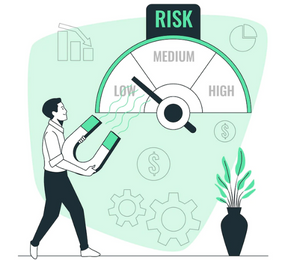
In the modern global economy, a company’s reputation and operational stability are no longer confined within its own office walls. The spotlight has shifted toward the supply chain, where environmental, social, and governance (ESG) factors are now recognized as critical components of comprehensive risk management.
From Compliance to Competitive Advantage
Historically, supply chain management focused almost exclusively on cost and speed. However, integrating ESG turns a reactive "check-the-box" exercise into a proactive strategy. By scrutinizing how suppliers handle carbon emissions, labor rights, and ethical sourcing, companies can identify vulnerabilities before they manifest as costly disruptions.
Identifying Key Risks
- Environmental Risks: Climate change poses physical threats to infrastructure and logistics. Transitioning to renewable energy and sustainable materials within the supply chain mitigates the risk of regulatory fines and resource scarcity.
- Social Risks: Human rights violations or poor working conditions at a Tier 2 or Tier 3 supplier can lead to devastating brand damage and legal action.
- Governance Risks: Lack of transparency or ethical oversight leads to corruption and bribery, undermining the entire value chain.
The Path to Integration
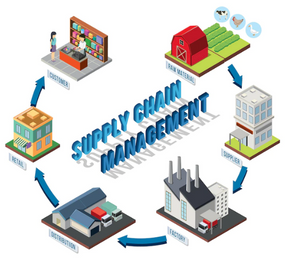
Integration begins with visibility. Organizations must utilize data analytics to map their entire supply network, moving beyond primary vendors. Setting clear ESG benchmarks in procurement contracts ensures that sustainability is a prerequisite for partnership, not an afterthought.
Furthermore, fostering a culture of collaboration rather than just auditing allows suppliers to improve their own ESG performance, creating a more resilient and agile ecosystem. As global regulations like the CSRD and German Supply Chain Act tighten, the integration of ESG is no longer optional—it is the foundation of long-term corporate survival.














Comment