

Sustainable Development in Africa: Creating Pathways for Inclusive Growth and Resilience
Africa is home to some of the world's fastest-growing economies, a young and dynamic population, and vast natural resources. These strengths position the continent as a key player in the global economy. However, achieving long-term prosperity requires a development approach that balances economic growth, social progress, and environmental stewardship. This is where sustainable development is becoming increasingly important.
Sustainable development in Africa is about creating opportunities that improve living standards today while protecting resources and opportunities for future generations. It involves addressing critical challenges such as energy access, infrastructure gaps, food security, education, healthcare, and climate resilience while fostering economic growth and job creation.
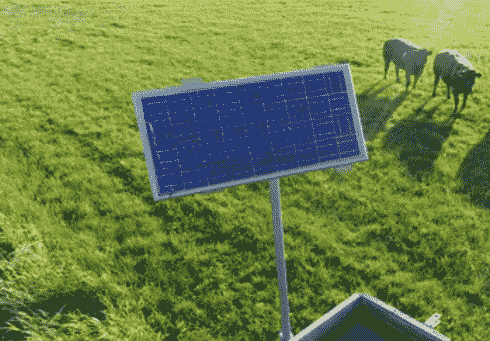
One of the most significant drivers of sustainable development across Africa is the expansion of renewable energy. Millions of people still lack access to reliable electricity, limiting opportunities for economic and social advancement. Solar, wind, hydropower, and geothermal projects are helping bridge this gap by providing cleaner and more affordable energy solutions. Renewable energy investments are not only improving access to power but also supporting industrial development, entrepreneurship, and employment.
Infrastructure development remains another cornerstone of Africa's sustainable growth agenda. Roads, railways, ports, power networks, water systems, and digital connectivity are essential for economic competitiveness and regional integration. Sustainable infrastructure projects can improve productivity, facilitate trade, and enhance access to essential services while minimizing environmental impacts.
Agriculture continues to play a vital role in many African economies. The sector supports livelihoods for millions of people and contributes significantly to national development. Sustainable farming practices, climate-smart agriculture, efficient irrigation systems, and improved access to technology are helping farmers increase productivity while protecting natural resources. Strengthening food security is particularly important as populations continue to grow and climate-related challenges intensify.
Education and skills development are equally critical. Africa has one of the youngest populations globally, creating significant opportunities for innovation and economic transformation. Investments in education, vocational training, and digital skills can help prepare the workforce for emerging industries and support long-term economic diversification. A skilled workforce is essential for attracting investment and driving sustainable growth.
Climate change presents both challenges and opportunities for the continent. Rising temperatures, droughts, flooding, and changing weather patterns can affect agriculture, water availability, and infrastructure. At the same time, investments in climate adaptation, renewable energy, sustainable land management, and green technologies can strengthen resilience while creating new economic opportunities.
The private sector is increasingly contributing to sustainable development efforts. Businesses are investing in renewable energy projects, sustainable supply chains, green infrastructure, and Environmental, Social, and Governance (ESG) initiatives. These investments support economic growth while helping organizations manage environmental and social risks more effectively.
Financial institutions and development organizations are also playing a significant role by supporting projects that deliver both economic and sustainability benefits. Green finance, climate funds, blended finance mechanisms, and impact investment strategies are helping mobilize capital for critical development initiatives across the continent.
Regional cooperation is becoming increasingly important as African countries seek to address shared challenges and unlock new opportunities. Cross-border infrastructure projects, trade agreements, and collaborative sustainability initiatives are strengthening economic integration and supporting broader development goals. These partnerships can accelerate progress while improving resilience to global economic and environmental pressures.
Technology is another powerful enabler of sustainable development. Digital platforms, mobile banking, smart agriculture, renewable energy management systems, and data-driven decision-making tools are helping improve efficiency and expand access to services. Innovation is creating new pathways for addressing development challenges while supporting economic inclusion.
While significant challenges remain, Africa's sustainable development journey is increasingly characterized by innovation, collaboration, and opportunity. By investing in clean energy, resilient infrastructure, sustainable agriculture, education, and climate adaptation, the continent can build stronger economies and improve quality of life for millions of people.
The future of sustainable development in Africa is not only about addressing current challenges—it is about unlocking long-term potential. With the right policies, investments, and partnerships, Africa has the opportunity to create a more inclusive, resilient, and prosperous future.
Takeaway Point:
Sustainable development in Africa focuses on balancing economic growth, social progress, and environmental protection through investments in renewable energy, infrastructure, agriculture, education, and climate resilience, creating a foundation for long-term prosperity and inclusive development.
Learn more on our website: https://www.leadventgrp.com/event/2nd-annual-esg-and-climate-africa-summit/register
For more information and group participation, contact us: [email protected]
Leadvent Group - Industry Leading Events for Business Leaders!
www.leadventgrp.com| [email protected]











Comment