

Floating Solar vs Agrivoltaics: Which Renewable Energy Solution Delivers Greater Value?
As the demand for renewable energy continues to grow, developers are increasingly looking for innovative ways to generate solar power without creating competition for valuable land resources. Two of the most promising solutions are floating solar and agrivoltaics. Both technologies maximize the use of available space while supporting sustainability goals, but they achieve this in different ways.
Floating solar utilizes water surfaces such as reservoirs, lakes, and irrigation ponds to host photovoltaic panels, while agrivoltaics combines solar energy generation with agricultural activities on the same land. As governments, investors, and businesses seek efficient pathways to expand renewable energy capacity, understanding the strengths and limitations of each approach has become increasingly important.
Understanding Floating Solar
Floating solar, often referred to as floating photovoltaic (FPV) technology, involves mounting solar panels on buoyant structures positioned on water bodies. The technology has gained popularity because it allows clean energy generation without consuming agricultural or urban land.
One of the most significant advantages of floating solar is its ability to utilize underused water surfaces. Reservoirs, wastewater treatment ponds, and industrial water bodies can become productive renewable energy assets. The cooling effect of water can also improve panel performance, potentially increasing electricity generation compared to conventional ground-mounted systems.
In addition, floating solar installations may help reduce water evaporation and limit algae growth, providing supplementary environmental benefits in regions facing water stress.
Understanding Agrivoltaics
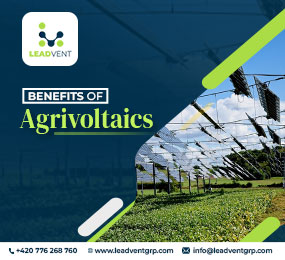
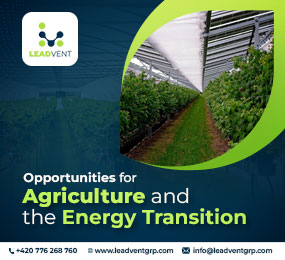
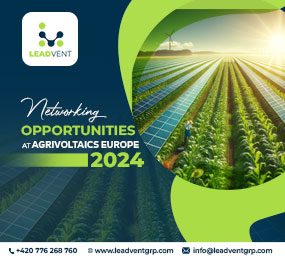
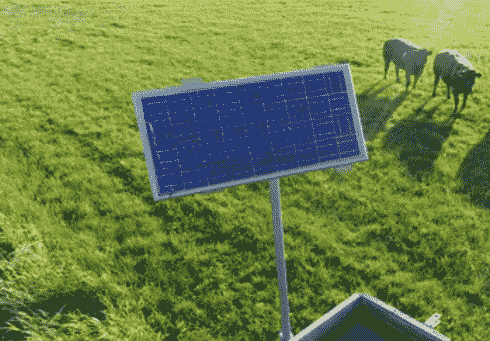
Agrivoltaics takes a different approach by integrating solar panels directly into agricultural landscapes. Panels may be elevated above crops, installed between crop rows, or combined with grazing operations. This creates a dual-use system where food production and electricity generation occur simultaneously.
The concept is particularly attractive in regions where agricultural land is under pressure from urbanization and renewable energy development. Rather than choosing between farming and solar generation, agrivoltaics enables both activities to coexist.
Research has shown that some crops can benefit from the partial shade provided by solar panels, especially in hot and dry climates. Reduced heat stress and lower water evaporation rates can improve crop resilience and, in certain cases, maintain or even enhance yields.
Land and Resource Efficiency
When comparing the two technologies, resource efficiency is a major consideration.
Floating solar offers a solution for areas with abundant water resources and limited available land. By utilizing existing reservoirs and lakes, projects can expand renewable energy capacity without affecting agricultural production.
Agrivoltaics, meanwhile, maximizes the productivity of farmland by generating two outputs—food and electricity—from the same area. This makes it particularly valuable in agricultural regions where preserving food production is a priority.
The choice often depends on local geography and resource availability. Regions with extensive reservoirs may favor floating solar, while agricultural economies may find agrivoltaics more beneficial.
Environmental Benefits
Both technologies contribute to decarbonisation and renewable energy expansion, but their environmental benefits differ.
Floating solar minimizes land-use impacts and can improve water conservation. It also avoids habitat disruption associated with some ground-mounted solar projects.
Agrivoltaics supports sustainable land management by preserving agricultural activity while reducing carbon emissions through clean electricity generation. It can also improve water-use efficiency and enhance resilience to changing climate conditions.
Economic Considerations
Project economics vary depending on location and design requirements.
Floating solar systems typically require specialized floating platforms, anchoring systems, and marine-grade electrical equipment. While these components can increase upfront costs, developers may avoid significant land acquisition expenses.
Agrivoltaic systems require careful engineering to balance crop growth and solar performance. However, the combination of agricultural income and energy revenue can improve long-term financial returns.
Both technologies are benefiting from falling solar equipment costs and growing investor interest in sustainable infrastructure.
Looking Ahead
The future of renewable energy is unlikely to rely on a single technology. Instead, a diverse mix of solutions will be needed to meet growing energy demand while preserving natural resources.
Floating solar and agrivoltaics each address a critical challenge: how to expand clean energy generation without placing additional pressure on land. Rather than competing technologies, they should be viewed as complementary approaches that can be deployed in different environments based on local needs and resources.
As innovation continues and project costs decline, both technologies are expected to play increasingly important roles in supporting global energy transition goals and sustainable development strategies.
Takeaway Point
Floating solar and agrivoltaics are innovative solar solutions that improve resource efficiency in different ways. Floating solar utilizes water surfaces for clean energy generation, while agrivoltaics combines agriculture and solar power on the same land, making both technologies valuable contributors to a more sustainable energy future.
Learn more on our website: https://www.leadventgrp.com/event/5th-annual-agrivoltaics-europe/register
For more information and group participation, contact us: [email protected]
Leadvent Group - Industry Leading Events for Business Leaders!
www.leadventgrp.com | [email protected]





Comment