

The Changing Tide of Marine Fuels: Charting a Sustainable Course
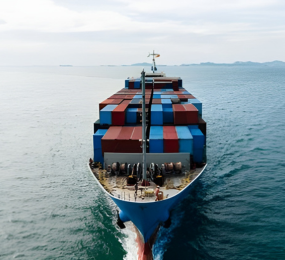
Marine fuels sit at the heart of global commerce. Every day, thousands of vessels move goods, food, energy resources, and people across oceans, keeping trade flowing and economies alive. Yet, behind this essential movement lies a sector under increasing pressure to reduce its environmental footprint. As climate commitments grow and regulations tighten, the spotlight has turned toward the types of fuels powering the world’s ships—and how the industry can transition to cleaner, more responsible options.
Traditionally, heavy fuel oil (HFO) has been the workhorse of maritime operations. Its affordability and availability made it a practical choice for decades. However, its high sulfur content and emissions profile brought worldwide attention, ultimately pushing regulators and shipowners to rethink how vessels should be powered in the 21st century.
This shift gained substantial momentum in 2020 with the IMO’s global sulfur cap, forcing ships to significantly cut sulfur emissions by adopting low-sulfur fuel oil (LSFO), installing scrubbers, or pivoting to alternative fuels. While this regulation marked a major turning point, it was only the beginning of a broader journey toward decarbonization.
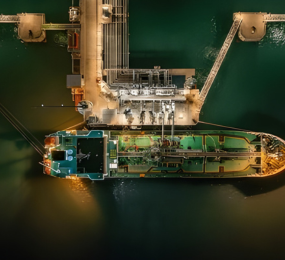
Today, marine fuels are undergoing one of the most significant transformations the industry has ever experienced. Liquefied natural gas (LNG) has emerged as a notable transitional fuel, offering lower sulfur and nitrogen oxide emissions. For many operators, LNG represents a practical stepping-stone as they build experience with cleaner energy systems while preparing for future requirements.
At the same time, interest in next-generation fuels is accelerating. Green methanol, ammonia, hydrogen, and biofuels are gradually moving from concept to commercial reality. These options promise far lower emissions, but they also bring new challenges: infrastructure gaps, evolving safety frameworks, higher costs, and technology readiness questions. Still, ports, shipbuilders, and fuel suppliers worldwide are investing heavily to bridge these gaps, recognizing that cleaner fuels are not just a regulatory obligation but a competitive advantage.
Biofuels, in particular, have gained early traction because they can often be used with existing engines and infrastructure. For many shipping companies, they offer an immediate reduction in carbon intensity without the need for extensive retrofits. Meanwhile, methanol and ammonia are seeing strong momentum, especially with major shipping lines placing large orders for new vessels designed to run on these fuels.
What is clear is that the transition will not hinge on a single solution. Different vessel types, trade routes, and operational demands will require a mix of fuels for the foreseeable future. Collaboration—between shipowners, fuel producers, policymakers, and technology providers—will be central to steering this transformation in a practical and economically sustainable way.
The conversation around marine fuels is no longer about compliance alone. It’s about shaping a future where cleaner oceans and efficient global trade coexist. As the industry continues evolving, the choices made today will define not just the efficiency of fleets, but the environmental legacy of maritime transport for decades to come.
Takeaway Point
The future of marine fuels will be shaped by a diverse blend of transitional and low-carbon options. Progress depends on practical innovation, global collaboration, and a long-term commitment to cleaner, more resilient maritime operations.
Learn more on our website: https://www.leadventgrp.com/event/world-sustainable-marine-fuels-forum/register
For more information and group participation, contact us: [email protected]
Leadvent Group - Industry Leading Events for Business Leaders!
www.leadventgrp.com | [email protected]














Comment