

The Importance of Auto Safety in a Changing Mobility Landscape
In today’s fast-evolving automotive world, safety is more than a regulatory requirement it is the foundation of trust between drivers, manufacturers, and society. Every year, millions of lives are affected by road accidents, making auto safety not just a technical subject but a deeply human concern. The goal of the industry is simple yet profound: ensuring that every journey ends safely.
Why Auto Safety Matters
The rise in vehicle numbers, urban congestion, and new mobility trends means safety cannot be taken for granted. Beyond protecting passengers, auto safety extends to pedestrians, cyclists, and communities sharing the road. A safe vehicle is also a sustainable vehicle, because reducing accidents lowers medical costs, environmental damage from crashes, and economic losses from traffic disruptions.
Evolution of Vehicle Safety
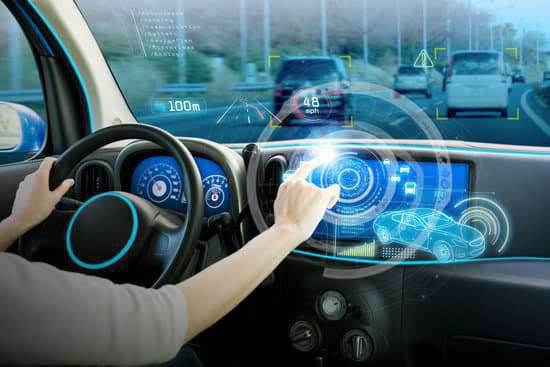
Automotive safety has come a long way since the introduction of seatbelts and airbags. Today’s cars are equipped with advanced systems such as automatic emergency braking, lane-keeping assistance, adaptive cruise control, and blind-spot detection. These technologies are not just about convenience; they are life-saving tools that reduce human error the leading cause of most road accidents.
In addition, structural improvements such as crumple zones and high-strength materials ensure that vehicles absorb impact more effectively, reducing injuries when accidents occur.
The Role of Standards and Regulations
Safety is not left to chance. Global frameworks such as ISO 26262 and government regulations ensure manufacturers adhere to strict standards when designing and testing vehicles. These measures help guarantee that new technologies, especially in electric and autonomous vehicles, are thoroughly evaluated before reaching the roads.
For emerging markets and rapidly growing economies, adopting these standards is critical to aligning safety with innovation. By enforcing compliance, authorities help foster public confidence in the vehicles of tomorrow.
Technology Meets Responsibility
The shift toward electric and autonomous vehicles has opened a new chapter in auto safety. While automation promises fewer accidents, it also raises new questions around software reliability, cybersecurity, and human-machine interaction. Ensuring
safety in this new landscape requires collaboration between automakers, regulators, and technology providers.
At the same time, data is playing a key role. Connected vehicles now generate real-time information that can be analyzed to predict risks, improve road planning, and enhance emergency response. This integration of data-driven safety is shaping the mobility of the future.
Human Behavior Still Counts
While technology continues to advance, the human element remains essential. Safe driving habits, adherence to traffic rules, and public awareness campaigns remain vital to reducing accidents. Auto safety is strongest when both human responsibility and technological innovation work together.
Takeaway Point: Auto safety is not only about advanced technology but also about responsibility, standards, and shared commitment. By combining smarter vehicles, strong regulations, and safer driving culture, the automotive industry can create a future where safety is at the heart of mobility.
Learn more on our website: https://www.leadventgrp.com/event/3rd-annual-automotive-functional-safety-forum/register
For more information and group participation, contact us: [email protected]
Leadvent Group - Industry Leading Events for Business Leaders!
www.leadventgrp.com | [email protected]















Comment