

The Intersection of Compliance, Regulation, and Supply Chain Resilience
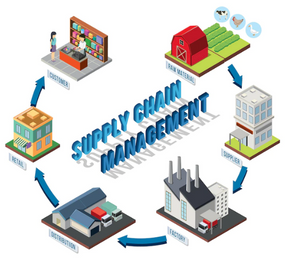
In the modern global economy, the relationship between regulatory compliance and supply chain management has undergone a fundamental transformation. Historically, regulation was often viewed as a "cost of doing business"—a series of administrative hurdles that hampered speed and increased overhead. However, in an era defined by geopolitical volatility and climate risk, compliance has emerged as a primary driver of supply chain resilience.
Regulation as a Catalyst for Transparency
Modern regulations, such as the EU Corporate Sustainability Due Diligence Directive (CSDDD) and the U.S. Uyghur Forced Labor Prevention Act (UFLPA), mandate a level of transparency that was previously elective. To comply, firms must map their supply chains down to the raw material level (Tier 3 and Tier 4). While this requires significant initial investment, the byproduct is an unprecedented "visibility dividend." By understanding exactly where their components originate, companies can identify hidden dependencies and geographic clusters that are vulnerable to local disruptions, allowing them to diversify before a crisis strikes.
Standards and Risk Mitigation
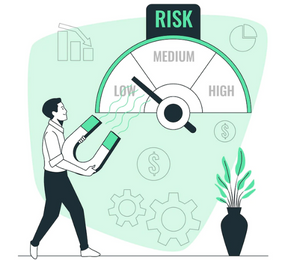
Regulatory standards also act as a shield against operational and reputational risk. Compliance with environmental, social, and governance (ESG) standards ensures that a supply chain is not built on fragile or unethical foundations. For instance, companies that adhere to rigorous environmental standards are better prepared for the inevitable "carbon border" taxes and resource scarcities that will define the next decade. Resilience is not just about surviving a sudden shock; it is about building a system that is legally and ethically "future-proofed."
Digital Integration and Resilience
The intersection of compliance and resilience is increasingly digital. Regulatory requirements for traceability are driving the adoption of Supply Chain Digital Twins and blockchain technology. These tools allow for real-time compliance monitoring, which simultaneously provides the data needed for agile response strategies. When a regulation changes or a disruption occurs, digitally-compliant firms can simulate the impact and pivot their logistics in hours rather than weeks.
Compliance and resilience are no longer separate functions; they are two sides of the same strategic coin. By embracing stringent regulations as a framework for transparency, organizations can build supply chains that are not only legally sound but also structurally robust enough to withstand the uncertainties of a changing world.
Visit our website to know more: https://www.leadventgrp.com/events/3rd-annual-supply-chain-risk-and-resilience-forum/details
For more information and group participation, contact us: [email protected]
Leadvent Group - Industry Leading Events for Business Leaders!
www.leadventgrp.com| [email protected]














Comment