

Circular Packaging for Food and Beverage Applications
The global food and beverage (F&B) industry is at the forefront of the plastic waste crisis, accounting for a significant portion of single-use packaging. Transitioning to a circular economy in this sector requires more than just replacing materials; it demands a systemic overhaul of how packaging is designed, recovered, and reintegrated into the production cycle. Circularity in F&B is defined by three pillars: design-for-recycling, the scaling of reusable systems, and the advancement of food-grade recycled content.
The Challenge of Food-Grade Safety
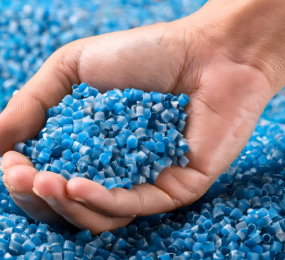
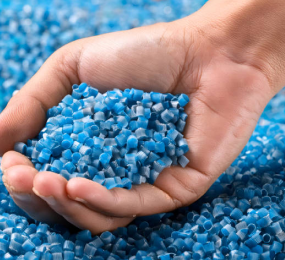
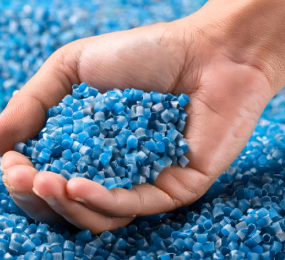
A primary hurdle in F&B circularity is maintaining stringent food safety standards. Unlike non-food packaging, materials that come into contact with consumables must prevent the migration of contaminants. This makes the mechanical recycling of certain plastics, like polypropylene (PP) or flexible films, technically difficult for circular food applications. However, innovations in Chemical Recycling (or advanced recycling) are bridging this gap by breaking down polymers into their original monomers, allowing for the creation of "virgin-quality" recycled resin that meets all EFSA and FDA safety requirements.
Design-for-Recycling and Mono-Materials
Circularity begins at the design phase. Traditionally, food packaging utilized multi-layer laminates (e.g., plastic bonded with aluminum) to provide necessary oxygen and moisture barriers. These "multi-material" structures are nearly impossible to recycle. The industry is now pivoting toward Mono-material solutions—using advanced barrier coatings on a single type of polymer. This simplification ensures that once the packaging is discarded, it can be easily identified by automated sorting sensors and processed back into high-quality feedstock.
The Rise of Reusable Systems
While recycling is vital, the highest tier of circularity is "Reuse." Smart cities are increasingly piloting Packaging-as-a-Service models, where durable containers for beverages or takeout are tracked via QR codes or RFID tags. These systems rely on standardized cleaning protocols and reverse logistics to ensure that a single container can be used dozens of times, significantly lowering the carbon footprint compared to even the most efficient recycling loops.
Achieving circularity in food and beverage packaging is a marathon, not a sprint. By harmonizing material science with advanced recovery infrastructure and consumer behavior shifts, the industry can ensure that packaging serves its purpose of protection without becoming a permanent environmental liability.
Visit our website to know more: https://www.leadventgrp.com/events/circular-packaging-biopolymer-summit/details
For more information and group participation, contact us: [email protected]
Leadvent Group - Industry Leading Events for Business Leaders!
www.leadventgrp.com| [email protected]








Comment