

Emerging Technologies Transforming Subsea Cable Installation
The deployment of subsea cables, the literal backbone of the global digital and energy economy, is undergoing a technological renaissance. As installations move into deeper waters and more congested corridors, traditional methods are being replaced by advanced robotics, precision sensors, and AI-driven planning. These emerging technologies are not only increasing the speed of deployment but also enhancing the long-term reliability of the infrastructure.
Autonomous and Remotely Operated Vehicles (ROVs)
The most significant shift in installation technology is the evolution of Work-Class ROVs and Autonomous Underwater Vehicles (AUVs). Modern ROVs are now equipped with "Force Feedback" haptic systems, allowing pilots to perform delicate maneuvers with surgical precision at depths exceeding 3,000 meters. Meanwhile, AUVs are increasingly used for pre-lay surveys, utilizing Synthetic Aperture Sonar (SAS) to create millimeter-accurate 3D maps of the seabed. This high-resolution data allows engineers to identify hazardous rock formations or existing infrastructure with unprecedented clarity, drastically reducing the risk of "snags" during the cable-laying process.
Precision Trenching and Jetting Systems
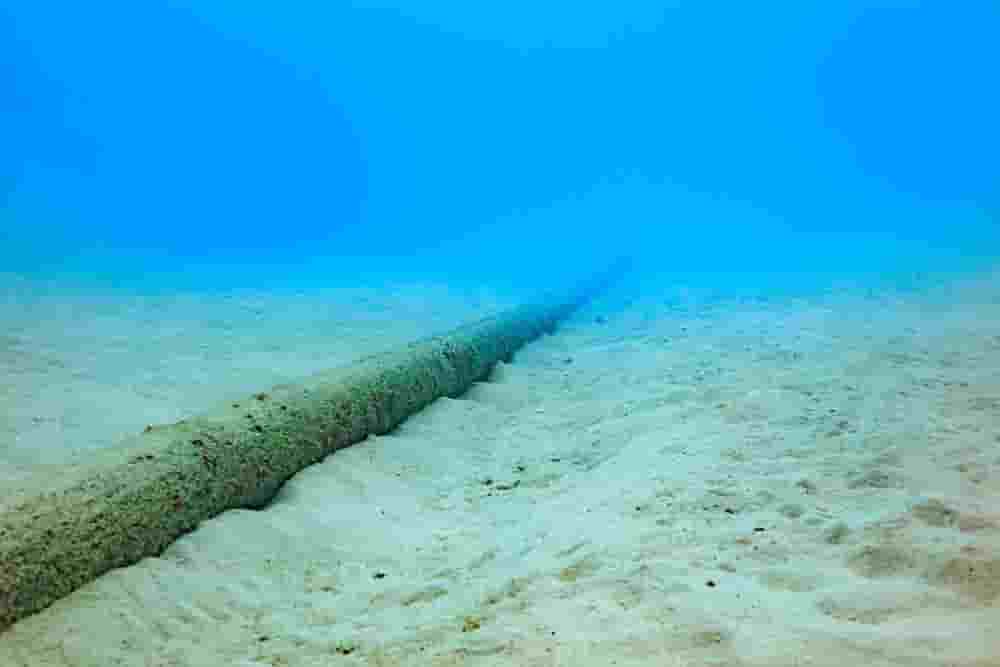
To protect cables from anchor strikes and fishing gear—the leading causes of faults—proper burial is essential. Emerging Vertical Injection Jets and Mass Flow Excavators allow for deeper burial in a single pass. Unlike older mechanical plows that could damage the seabed, these fluidization systems use high-pressure water jets to temporarily "liquefy" the sediment, allowing the cable to sink to a target depth before the sand naturally resettles. This "low-impact" burial is critical for meeting the stringent environmental standards required in protected marine zones.
AI-Driven Route Optimization
The planning phase has been transformed by AI algorithms that can process decades of maritime data. These systems analyze shipping traffic, historical seismic activity, and seabed morphology to predict "high-risk" zones. By simulating thousands of installation scenarios, AI can recommend the most efficient route that minimizes both cable length and environmental disturbance.
The fusion of robotic precision and digital intelligence is making subsea cable installation safer and more efficient. As we expand our global networks to bridge the digital divide, these emerging technologies ensure that the hidden infrastructure of the 21st century is built to withstand the pressures of the deep.
Visit our website to know more: https://www.leadventgrp.com/events/6th-annual-subsea-cable-installation-asset-management-reliability-forum/details
For more information and group participation, contact us: [email protected]
Leadvent Group - Industry Leading Events for Business Leaders!
www.leadventgrp.com| [email protected]


Comment